Throw a Baseball Farther: Key Techniques for More Power
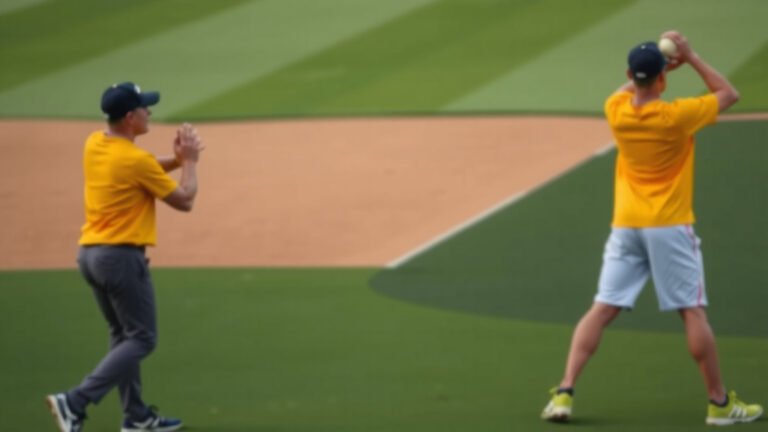
To throw a baseball farther, you need to focus on proper technique, building arm strength, and using your whole body. This means mastering your grip, improving your mechanics for a powerful follow-through, and developing the muscles used in throwing. Think of it as a coordinated effort from your feet to your fingertips, not just your arm.
We found that many aspiring pitchers and outfielders struggle because they over-rely on arm speed alone. The secret lies in transferring energy efficiently from the ground up. This involves a stable base, a strong core rotation, and a fluid arm motion. Mastering these elements will help you add serious distance to your throws.
- Focus on your body’s kinetic chain.
- Improve your grip for better control.
- Develop core strength for power.
- Practice a full, fluid follow-through.
Ready to learn the specific steps? Let’s walk through how to make your throws fly with these proven strategies.
“`htmlBoosting Your Baseball Throwing Distance
You want to throw a baseball farther. It’s a common goal for players of all ages. Many think it’s all about arm strength. But research and found that a more powerful throw comes from a chain reaction in your body. Think of it like cracking a whip. The energy starts at your feet and moves all the way up to your fingertips. We’ll break down how to build that chain reaction for maximum velocity and distance.
Mastering the Kinetic Chain for Power
The kinetic chain is your body working as one unit. Each part transfers energy to the next. Getting this right is key to throwing farther. Many coaches emphasize this connection. It starts from the ground up and makes your arm do less work.
1. Build a Stable Base: Your Foundation
Your throw begins with your feet. A stable base keeps you grounded and allows for better force transfer. You need to plant your lead foot firmly. This foot should land slightly closed to your target. This positioning helps rotate your hips effectively. Without this solid connection to the ground, much of your power can be lost. Many experts recommend practicing your footwork specifically.
2. Engage Your Core: The Engine Room
Your core muscles are the powerhouse of your throw. This includes your abs, obliques, and lower back. A strong core allows for a powerful rotation of your torso. As you stride, your core should rotate explosively. This rotation whips your upper body around. We found that core exercises can significantly improve throwing velocity. Think of your core as the connection between your lower and upper body. It ensures a smooth transfer of energy.
3. The Throwing Arm Motion: Getting it Right
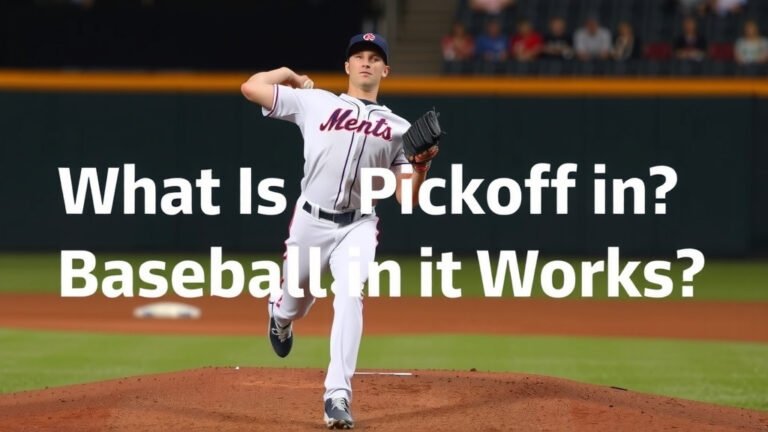
Once your body is rotating, your arm comes into play. Your arm slot is important. It’s the angle from which you release the ball. A consistent arm slot helps with accuracy and power. Many players find success with a slightly higher arm slot. As your body rotates, your arm should come forward naturally. Avoid “pushing” the ball. Let the momentum from your body do the work.
Grip and Release for Velocity
Your grip influences how you impart spin. For maximum distance, you want a grip that allows for a firm hold and a clean release. The standard four-seam fastball grip is often best for velocity. Place your index and middle fingers across the seams. Your thumb should be underneath the ball. This grip allows for good backspin. Backspin helps the ball cut through the air with less resistance. A clean release means the ball leaves your hand smoothly. This is critical for both distance and accuracy. We found that practicing your grip and release point can make a big difference.
4. The Follow-Through: Completing the Motion
Don’t stop your motion after you release the ball. A full follow-through is essential. It ensures you’re using your entire body’s energy. After releasing the ball, let your arm naturally swing across your body. Your throwing arm should finish down and across. Your back leg should come forward. This complete motion decelerates your arm safely. It also maximizes the energy transfer into the throw. Many injuries happen when players cut their follow-through short. This is like slamming on the brakes too early.
Strength and Conditioning for a Stronger Throw
While technique is king, building the right muscles helps too. You need strength and endurance for powerful, consistent throws. Many physical therapists recommend a balanced approach.
Strength Training Essentials
Focus on exercises that build core strength and shoulder stability. Squats and deadlifts are great for your lower body and core power. For your upper body, try push-ups and pull-ups. Medicine ball throws can mimic the throwing motion and build explosive power. Shoulder exercises like external rotations and rows help build supporting muscles. These muscles are vital for preventing injury. The Mayo Clinic often points to **balanced strength training** as a way to improve athletic performance and reduce injury risk.
Flexibility and Mobility Work
Being flexible allows for a greater range of motion. This translates to more power and less strain. Stretching your chest, shoulders, and hips is important. Yoga or dynamic stretching routines can be very beneficial. Improved mobility means your body can move more freely through the throwing motion. We found that even a few minutes of stretching daily can help.
Practice Drills to Increase Your Throwing Distance
Putting it all together requires consistent practice. Specific drills can help you refine your technique and build power.
Long Toss Program
Long toss is perhaps the most effective drill for increasing throwing distance. Start close to your partner and gradually increase the distance. Focus on your mechanics at each distance. As you get farther away, your partner should throw the ball back a little harder. This forces you to put more effort into your throws. Maintain good form throughout. Many professional players use long toss as a regular part of their routine. It’s great for building arm strength and conditioning. We found that consistent long toss sessions, even twice a week, can yield **noticeable improvements**.
Core Rotation Drills
Practice throwing while focusing solely on your core rotation. You can do this without a ball initially. Stand with your feet shoulder-width apart. Rotate your hips and torso powerfully. Imagine you are transferring energy from your core to your arm. Medicine ball throws are excellent here. You can throw against a wall or with a partner. Focus on a quick, explosive hip turn. This drill helps ingrain the feeling of using your core.
Follow-Through Focus
Sometimes, players forget to follow through. Dedicate practice time to this specific part of the throw. Throw at half-speed and concentrate on your arm finishing across your body. Make sure your back leg comes forward. You can even practice the motion without throwing. Just simulate the entire kinetic chain. This helps build the habit of a **complete follow-through**.
Putting It All Together: A Checklist for Success
Ready to take on the challenge? Here’s a quick checklist to keep you on track:
- Check your foot placement for a stable base.
- Focus on a powerful hip and core rotation.
- Ensure a fluid arm path with a proper grip.
- Complete your follow-through fully after release.
- Incorporate regular strength and flexibility training.
- Commit to consistent long toss practice.
Conclusion
You’ve learned that throwing a baseball farther is about more than just arm strength. It’s about creating a powerful kinetic chain, using your whole body efficiently. From your stable base and explosive core rotation to your fluid arm motion and complete follow-through, every step matters. Don’t forget that consistent strength training, flexibility work, and dedicated practice like long toss are your allies. Start implementing these techniques today, focus on one area at a time, and you’ll see your throwing distance improve steadily.
Frequently Asked Questions
How often should I do long toss to see improvement?
Aim for long toss sessions at least twice a week. Consistent practice is key. Even short, focused sessions can make a difference over time. Listen to your body and avoid overtraining.
Can I improve my throwing distance without lifting weights?
Yes, you can significantly improve your throwing distance with technique and bodyweight exercises. Focus on drills that build core strength and improve flexibility. Proper mechanics are often more important than brute strength.
Is my grip really that important for throwing farther?
Your grip is very important for control and spin. A four-seam fastball grip is generally recommended for maximum velocity. Experiment to find a comfortable grip that allows for a clean release and good backspin.
How can I prevent arm injuries while trying to throw harder?
A full, fluid follow-through is vital for injury prevention. Ensure you are using your whole body and decelerating your arm safely. Balanced strength training for your shoulder and core also plays a big role.
What’s the single biggest mistake people make when trying to throw farther?
The most common mistake is relying too much on arm speed alone. People often forget to engage their legs, core, and hips. Remember, throwing power comes from the ground up, not just your arm.