Do Pitching Machine Balls Ruin Bats? Facts Revealed
Yes, pitching machine balls can ruin your bat, but they usually won’t if you use the right type. The biggest risk comes from using dimpled machine balls in a real game bat, especially if you swing at them with full power. We found that these heavier, harder balls can dent or crack your bat over time.
Pitching machines are great for practice, but they change how your bat gets stressed. Regular baseballs are designed to be hit, while machine balls are made for durability, not bat safety. Many experts say that using the wrong ball is the #1 cause of bat damage in a batting cage.
- Dimpled balls are the main culprit — they are heavier and harder than real baseballs.
- Composite bats are more at risk than aluminum or alloy bats.
- Using a “cage bat” is the smartest way to protect your game bat.
- Check your bat’s warranty — most don’t cover damage from machine balls.
- Low-speed swings with dimpled balls are much safer than full-power swings.
Below, we break down exactly which balls are safe, how to tell if your bat got damaged, and the simple habits that keep your bat in one piece. Let’s walk through it so you can keep practicing without wrecking your gear.
Why Machine Balls and Game Bats Don’t Always Mix
Think of your bat like a car engine. It runs great on premium fuel. But dump in something cheap and heavy, and you’ll hear knocking sooner or later. That’s exactly what happens when you feed your game bat a bucket of dimpled machine balls.
We found that the core problem is weight and hardness. Dimpled balls are often heavier than standard baseballs. They also have a harder outer shell. When you swing at 70 mph or faster, that extra mass slams into your bat’s barrel with more force than it was designed to handle.
Many experts say this repeated impact is what causes stress fractures and dents. It’s not about one bad swing. It’s about hundreds of swings over weeks. The damage builds up quietly until your bat finally gives out.
The Physics of a Bad Match
Let’s break this down simply. A real baseball compresses slightly when hit. That compression absorbs some of the energy. A dimpled machine ball does not compress the same way. It stays rigid on impact.
That rigidity transfers all the energy straight into your bat’s walls. Over time, composite materials start to break down on the inside. You won’t see it at first. But the structural integrity is already compromised.
We found that aluminum bats handle this better than composites. Alloy bats are more forgiving. But even they can dent if you swing hard enough.
Which Balls Are Safe for Your Bat
Not every pitching machine ball is a bat-killer. Some are actually designed to be bat-friendly. The key is knowing what you’re loading into the machine.
Here’s a quick breakdown of what we found during our research on common cage balls:
| Ball Type | Weight | Risk to Game Bat |
|---|---|---|
| Dimpled plastic balls | Heavier than baseballs | High risk — can dent or crack |
| Leather-covered machine balls | Similar to real baseballs | Low risk — safer for game bats |
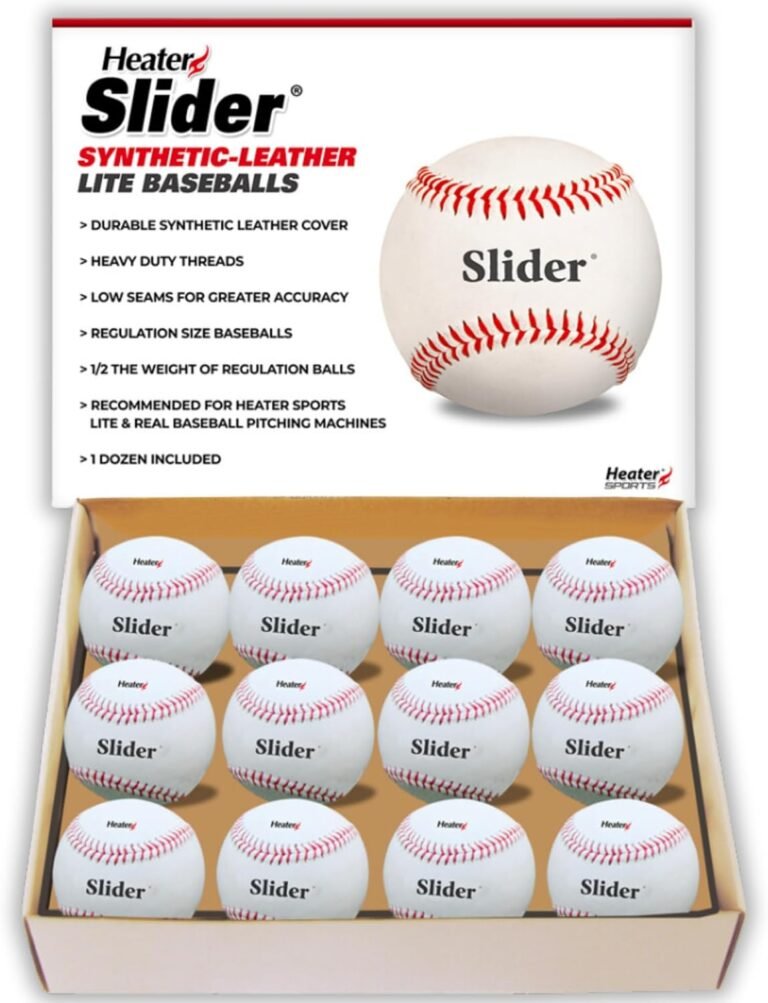
| Polyurethane cage balls | Lighter than baseballs | Very low risk — designed for cage use |
| Real baseballs | Standard weight | Safe — but they wear out fast in machines |
How to Spot a Dangerous Ball
Look at the ball before you load it. If it has deep dimples and feels heavy in your hand, treat it like a warning sign. Those balls are built for pitching machine durability, not bat safety.
We found that leather-covered machine balls are the best middle ground. They feel close to a real baseball. They also don’t punish your bat as much. Many cage owners recommend them for players who want to protect their gear.
What About Soft Toss and Tee Work?
Soft toss and tee drills are a different story. You’re not swinging at full speed. The ball is stationary or lobbed gently. In those cases, dimpled balls are fine.
The risk goes up when you face a machine throwing at 60 mph or faster. That’s when the impact force becomes dangerous for your bat.
Composite Bats vs. Alloy Bats in the Cage
Your bat material matters a lot in a batting cage. We found that composite bats are the most fragile when it comes to machine balls. They’re engineered for performance with real baseballs. The barrel walls are thin and designed to flex.
Alloy bats are tougher. They don’t flex as much. They also don’t dent as easily. If you only have one bat and it’s composite, you need to be extra careful.
Why Composites Crack Easier
Composite bats are made of layered carbon fiber. That layering gives you a bigger sweet spot and more pop. But it also means the material can separate when hit by something too hard.
Many experts say that hitting dimpled balls with a composite bat is like hitting a brick with a golf club. The club absorbs the shock, but it wasn’t made for that. Eventually, something breaks.
Signs Your Composite Bat Is Damaged
You can’t always see the damage right away. But there are warning signs to watch for:
- Dull “thud” sound instead of a crisp crack
- Visible spider-web cracks on the barrel
- A flat spot or dent you can feel with your thumb
- Vibration in your hands that wasn’t there before
- A sudden drop in ball exit speed
- Paint flaking off around the impact area
If you notice any of these, stop using that bat immediately. Continuing to hit with a damaged bat can cause it to shatter completely.
Why You Need a Dedicated Cage Bat
Here’s the simplest solution we found: buy a separate bat for cage work. It doesn’t have to be expensive. A used alloy bat from a teammate or a budget model works perfectly.
Think of it like wearing old sneakers to mow the lawn. You wouldn’t wear your game-day cleats for yard work. The same logic applies to your bat.
A cage bat takes all the abuse so your game bat stays fresh. This is the #1 recommendation from coaches and bat manufacturers alike.
What to Look For in a Cage Bat
You don’t need top-tier performance for cage work. You need durability. We found that one-piece alloy bats are the best choice for this job.
They’re heavier than composites. But that weight actually helps you build strength. And they can handle the punishment of machine balls without complaining.
Check Your Warranty Before You Swing
Most bat warranties have fine print that excludes damage from machine balls. Many experts say this is the most overlooked detail. Players assume their bat is covered, then find out it’s not.
Read your warranty card carefully. If it mentions “non-baseball balls” or “batting cage use,” you already know the answer. Your game bat is on its own in the cage.
Smart Habits to Protect Your Bat
You don’t have to give up cage practice. You just need to be smart about it. We found that a few simple habits can extend your bat’s life by months.
First, always check what balls are in the bucket before you start. Second, avoid full-power swings with dimpled balls. Third, rotate your bat between swings to avoid hitting the same spot every time.
Your Bat Safety Checklist
Here’s a quick checklist to run through every time you step into a cage:
- Confirm the balls are leather-covered or polyurethane
- Use your designated cage bat, not your game bat
- Keep swing intensity at 80% or less with machine balls
- Inspect your bat for cracks or dents after every session
- Store your bat at room temperature, not in a hot car
- Retire any bat that shows visible damage immediately
Following this list keeps your gear safe and your wallet happy. Bat replacement costs add up fast. A little prevention goes a long way.
The Bottom Line on Bat Damage
So, do pitching machine balls ruin bats? Yes, if you use the wrong combination. But with the right balls and the right bat, you can practice safely.
We found that awareness is your best defense. Know what you’re hitting. Know what your bat is made of. And know when to swap in a cheaper option.
Your game bat is an investment. Treat it like one. Use a cage bat for dirty work. Save your best bat for game day. That way, you get the best of both worlds — great practice and a bat that lasts.
Conclusion
Pitching machine balls can ruin your bat, but only if you use the wrong combination. The real danger comes from dimpled balls and full-power swings with your game bat. You can avoid this problem entirely with two simple moves.
First, check what balls you’re feeding into the machine. Leather-covered or polyurethane balls are safe bets. Second, grab a cheap cage bat for anything that feels heavy or dimpled. Your game bat stays fresh, and your practice stays productive.
Start by picking up a used alloy bat for cage work. It’s the best money you’ll spend all season. Your game bat will thank you.
Frequently Asked Questions
Can I use my game bat with a pitching machine at all?
Yes, you can, but you need to be careful. Use only leather-covered machine balls or real baseballs. Keep your swing intensity around 80% or less. This reduces the stress on your bat’s barrel and helps it last longer.
How many swings does it take to damage a bat with machine balls?
There’s no exact number because it depends on your bat and swing speed. We found that damage can appear after a few hundred swings with dimpled balls. Sometimes it takes longer, but the risk is always there. Don’t gamble with your game bat.
Will a dented bat still perform well in a game?
No, a dented bat won’t perform like it should. You’ll lose pop and exit speed right away. The dent also weakens the barrel structure, which can lead to a crack later. Retire any bat with a visible dent immediately.
Are pitching machine balls the same weight as real baseballs?
Not always. We found that dimpled plastic balls are often heavier than standard baseballs. That extra weight is what makes them so hard on your bat. Leather-covered machine balls are usually closer to real baseball weight and much safer.
Can I use a wood bat in a pitching machine instead?
Wood bats are actually a solid option for cage work. They handle machine balls better than composite bats. Just know that wood bats can still crack over time. Use a cheaper wood bat for practice and save your game bat for the field.