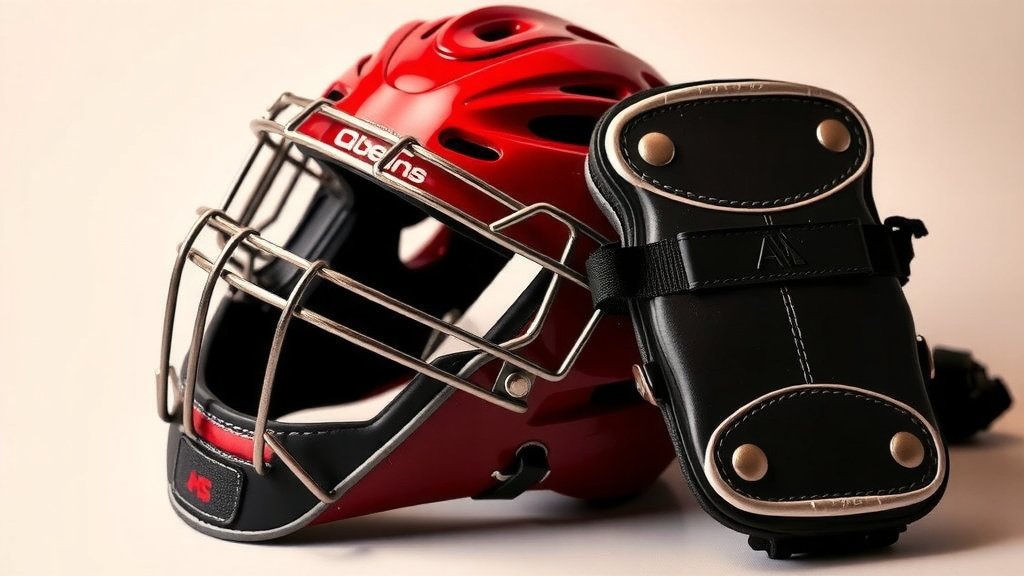
Catcher’s Gear Explained: What Every Player Needs to Know
Catcher’s gear is the set of protective equipment a catcher wears behind the plate: a helmet and mask, chest protector, leg guards, and a catcher’s mitt. Each piece is built to absorb pitches, foul balls, and slides so you can stay safe while playing the toughest job on the field. Think of it as armor, because that’s basically what it is. Once your armor is sorted, our guide to playing catcher walks through the skills that matter behind the plate.
Here’s the thing: not all gear fits the same, and the wrong size can hurt more than it helps. You also need to know what matters for your age level, your budget, and whether you play travel ball or just weekend rec. We researched what coaches and equipment experts recommend so you don’t have to guess.
Before we dive into the details, here’s the quick version:
- Helmet and mask protect your head, face, and throat from pitches and foul tips.
- Chest protector shields your ribs, shoulders, and collarbone from wild pitches.
- Leg guards cover your knees and shins from pitches in the dirt and sliding runners.
- Catcher’s mitt has extra padding to handle fast pitches without stinging your hand.
- Proper fit matters most — gear that’s too big or too small leaves you exposed.
Below, we break down each piece of catcher’s gear, what it does, and how to pick the right one for you. Let’s get you suited up the right way.
A Guide to Catcher’s Equipment
Catching is the only position where you get hit on purpose — a lot. That’s why every piece of your setup matters. Below, we walk through each item in your kit, how it should fit, and what separates decent gear from gear you’ll actually trust.
Helmet and Mask: Protecting Your Head
Your brain doesn’t get a backup copy. A foul tip travels faster than you can blink, so a solid helmet is non-negotiable. Many experts say head injuries behind the plate are among the most preventable in youth sports when proper headgear is worn (CDC).
Traditional Mask vs. Hockey-Style Helmet
You’ve got two main choices. A traditional mask pairs with a separate skull cap — it’s lighter and cooler but sits differently on your head. A hockey-style helmet is one solid piece with better coverage and a wider view.
We found that most youth and high school coaches now push players toward hockey-style. Why? Less fiddling, better fit, and no gap between mask and cap. If you sweat a lot, though, the traditional setup breathes better.
Fit Tips for Your Helmet
Measure around your head, just above the eyebrows. Then match that number to the manufacturer’s size chart — sizes vary by brand. The helmet should feel snug without pressure points. Shake your head side to side. If it shifts, go smaller.
Chest Protector: Shielding Your Torso
Wild pitches don’t aim for your glove. They find your ribs, collarbone, and sometimes worse. A chest protector spreads the impact across padding instead of letting one spot take the full hit.
Measure from the base of your neck to the top of your belt. That number is your size. Too short leaves your stomach exposed; too long digs into your legs when you squat. Neither is fun.
Extra Features Worth Considering
- Removable groin guard — most youth protectors include one; keep it attached.
- Shoulder caps — extra foam over the collarbone area for travel ball.
- Moisture-wicking liner — keeps you cooler during doubleheaders.
- Breakable padding — higher-end models absorb impact better than basic foam.
Some leagues now require chest protectors rated for commotio cordis protection — a rare but dangerous heart rhythm issue caused by chest impacts. Check your league rules before buying (NIH).
Leg Guards: Covering Knees and Shins
Kneel down and think about what’s in the line of fire: knees, shins, the tops of your feet. Leg guards handle all of it — dirt balls, foul tips, and the occasional cleat from a sliding runner.
To size them, measure from the middle of your kneecap to the bottom of your shin, then add the distance to your ankle roll. Most guards list this range right on the tag.
What to Look For
- Knee wing — a flap that covers the inside of your knee.
- Double knee breaks — flex points so you can squat comfortably.
- Ankle guard — wraps the ankle bone, a spot pitches love to find.
- Quick-release straps — you’ll thank yourself between innings.
The Catcher’s Mitt: Your Most Personal Piece
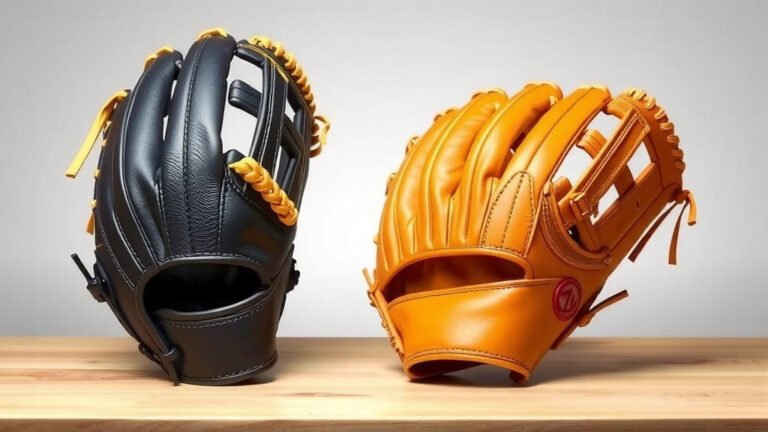
A catcher’s mitt isn’t a glove — it’s a round, heavily padded claw built to swallow pitches, not snag line drives. The extra padding exists for a reason: catching 60+ mph pitches bare-handed would end your weekend fast.
Sizing by Age
Here’s a simple breakdown we found across major equipment makers:
| Age Group | Typical Mitt Size |
|---|---|
| 7–9 years | 29.5–30 inches (circumference) |
| 10–12 years | 30–31 inches |
| 13–15 years | 31–32 inches |
| 16+ and adult | 32–34 inches |
Breaking In Your Mitt
New mitts are stiff — like a brick with laces. Play catch daily, work the pocket with a mallet, and store a ball inside with a rubber band overnight. Skip the oven-and-oil shortcuts you see online; they can dry out the leather. Many experts say steady use beats any hack (Mayo Clinic offers no shortcut either — consistency wins).

The Supporting Cast: Items People Forget
Some of the best gear doesn’t come in the bag. These small additions make a big difference:
- Throat guard — clips onto your mask or helmet; foul tips seek throats.
- Cup — required in most leagues. No explanation needed.
- Knee savers — foam wedges that sit between your calves and thighs.
- Inner gloves — thin gloves worn inside the mitt to prevent blisters.
- Mini mitt — for your throwing hand on dirt balls. Coaches call it cheap insurance.
Sizing Checklist Before You Buy
Run through this list at the store or before you click “buy”:
- Helmet shakes side to side? Size down.
- Chest protector leaves a gap above your belt? Size up.
- Leg guards sit below your kneecap? Wrong length.
- Mitt’s pocket sits where your hand naturally closes? You’re good.
- Straps adjust with room to spare? Padding compresses over a season.
- Everything passed your league’s safety requirements? Double-check anyway.
Youth vs. Adult Gear: What Changes
Kids’ gear isn’t just smaller adult gear. Youth models use lighter materials so young players can move without tipping over. Adult gear adds more foam density and stronger shells because pitch speeds climb fast once kids hit high school.
Beware of hand-me-downs that are “close enough.” Worn-out foam stops absorbing impact. If padding feels hard or cracked, replace it — your body will notice the difference the first time a ball gets away.
Budget vs. Premium: Where to Spend
Here’s the honest answer we found talking to coaches: spend where the hits land. Your mitt and helmet deserve the bigger budget. A $100 mitt outlasts and outperforms a $40 one. A well-built helmet protects the part of you that matters most. Before you commit, our breakdown of baseball glove costs explains what to expect at each price point.
Chest protectors and leg guards? Mid-range models do the job fine for rec and travel ball. Save the premium dollars unless you’re catching five games a weekend — then your knees will happily accept the upgrade.
Conclusion
Catcher’s gear comes down to three things: the right fit, the right protection for your level, and smart spending. Put your budget into your helmet and mitt, keep the rest mid-range unless you’re catching constantly, and never let worn-out padding slide. Add the small stuff — throat guard, cup, knee savers — and you’ll stay comfortable through long games and doubleheaders alike.
The best time to check your gear is before the season starts, not after a ball gets away. Grab a tape measure, run through our sizing checklist, and get fitted properly. Your body will thank you every time you drop into your stance behind the plate.
Frequently Asked Questions
How long does catcher’s gear last?
Most youth gear holds up for one to three seasons, depending on how often you play and how fast you grow. Adult gear can last five years or more with basic care. Replace anything with cracked shells, hardened foam, or fraying straps right away.
Can I use a regular glove instead of a catcher’s mitt?
You can, but we don’t recommend it. A standard glove lacks the padding and round pocket designed to absorb repeated pitches. Your hand will feel the sting, and receiving gets harder. Even entry-level catcher’s mitts beat a fielder’s glove behind the plate.
Do catchers really need a throat guard?
Many youth and high school leagues require one, and even where they don’t, we’d wear it. A foul tip can deflect straight up into your throat faster than you can react. It costs a few dollars and clips on in seconds — cheap protection for a vulnerable spot.
How do I clean and store catcher’s gear?
Wipe down plastic shells with a damp cloth, air out padding after every game, and never leave gear zipped in a hot car. For your mitt, wipe off dirt and condition the leather a couple of times a season. Dry gear lasts longer and smells a lot better too.
Is it worth buying a full catcher’s gear set instead of individual pieces?
For younger players and beginners, starter sets usually save you money and cover the basics well. As you move into travel ball or high school, mixing and matching often works better — you can upgrade your helmet or mitt individually. Just make sure every piece still fits your league’s safety rules.