Why Baseballs Have Stitches For Grip and Spin
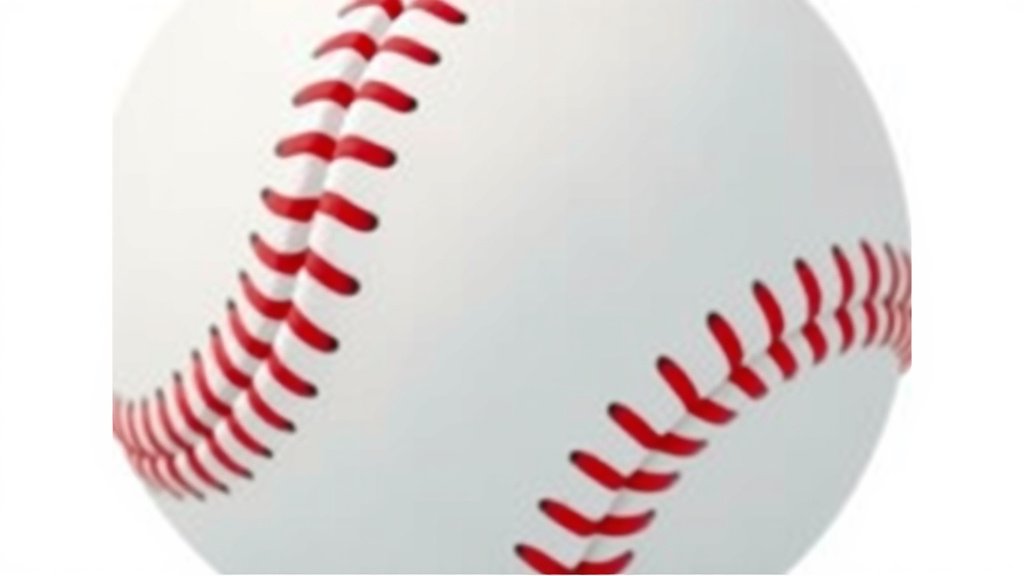
Baseball stitches are there for a very important reason. They help players grip the ball better and make it easier to throw with accuracy. Without those raised seams, the ball would be much too smooth to control. The stitching is key to pitching accuracy and adds a unique feel to the game.
These stitches aren’t just for looks, either. They play a big role in how the ball moves through the air. Pitchers can make the ball curve or break in specific ways by how they grip and throw it. This is part of what makes baseball so challenging and exciting to watch.
- Baseballs have stitches to help players grip them.
- The raised seams allow for better control when throwing.
- Pitchers use stitches to make the ball curve and move.
- These stitches are essential for game accuracy and strategy.
Now that you know why those stitches are so vital, let’s dive deeper into how they impact the game of baseball.
The Real Reason for Those Baseball Seams
Those stitches on a baseball aren’t just for show. They are a really important part of the game. They give pitchers and fielders a better grip. This helps them throw the ball with more control and accuracy. Think about it: a perfectly smooth ball would be slippery and hard to hold onto. The raised seams provide that much-needed texture.
Grip: The Pitcher’s Best Friend
For a pitcher, the stitches are everything. They create a surface where fingertips can catch and hold. This allows for a much firmer grip on the ball. It’s this grip that enables pitchers to put spin on the ball. Spin is what makes a baseball move in unpredictable ways. Without the stitches, it would be nearly impossible to achieve that level of control. Many experts agree that the seams are fundamental to pitching technique (The American Baseball Coaches Association).
Fingers Finding Their Foothold
Imagine trying to throw a bowling ball versus a baseball. The bowling ball is smooth. You can grip it, but adding spin is tough. The baseball’s seams act like little ledges for your fingers. Your index and middle fingers often rest on the seams. Your thumb finds a spot between them. This placement allows you to impart different types of spin with precision.
The Power of Spin
Different spins result in different pitches. A fastball often has a backspin. This makes it appear to “rise” or stay straighter. A curveball has a topspin. This causes it to drop sharply. A slider has a sidespin. It breaks away from the hitter. All of this movement is directly related to how the pitcher grips and spins the ball off those stitches. It’s a delicate dance of physics and feel.
Aerodynamics and the Seam’s Effect
The stitches don’t just help with grip; they also affect how the ball flies through the air. This is known as aerodynamics. The raised seams create drag. They disrupt the smooth flow of air around the ball. This disruption can influence the ball’s trajectory. It’s a subtle but significant factor in the game.
More Drag, More Movement
A perfectly smooth ball would cut through the air more cleanly. The stitches act like tiny spoilers on a race car. They create turbulence. This turbulence can cause the ball to wobble or break. Pitchers learn to manipulate this turbulence. They use it to their advantage to fool batters. Research shows that seam orientation can alter a baseball’s flight path (Journal of Applied Biomechanics).
The “Cut” in a Cutter
Consider a cutter, a type of pitch. It’s thrown with a fastball’s velocity. It has a slight, late break to the side. This break is achieved by a specific grip on the seams. The pitcher aims to create asymmetrical airflow. This causes the ball to move sideways just as it nears home plate. It’s a mind-bending trick of physics.
How Stitches Influence Fielding
It’s not just pitchers who benefit from the stitches. Fielders rely on them too. A good grip is essential for making quick plays. Catching a hard-hit ball requires a secure hold. The seams provide that necessary friction.
Securing the Catch
When a fielder catches a ball, they need to stop its momentum quickly. The stitches offer tactile feedback. They help the fielder feel the ball in their glove. This allows them to secure the ball rather than have it bounce out. A ball without stitches would be much harder to control, especially at high speeds. Many professional players report better glove feel with stitched balls.
Accurate Throws from the Field
Fielders also need to throw the ball accurately. Whether it’s an infielder turning a double play or an outfielder throwing home, precision is key. The stitches help fielders get a firm grasp for a clean release. This means fewer wild throws and more outs. Imagine trying to throw a smooth, round object perfectly straight over 100 feet. It’s not easy!
The History and Evolution of Baseball Stitches
The stitches we see today haven’t always been there. Early baseballs were quite different. They were often hand-stitched. The number of stitches and the pattern have changed over time. These changes were often made to improve durability or playability.
Early Days of Baseball Manufacturing
In the 19th century, baseballs were made with a cork or rubber center. This was then wrapped in yarn. Finally, a leather cover was sewn on. The stitching was done by hand. This meant there could be variations. Sometimes the seams were raised more than others. This was a far cry from today’s standardized balls.
The Standardized Stitch Count
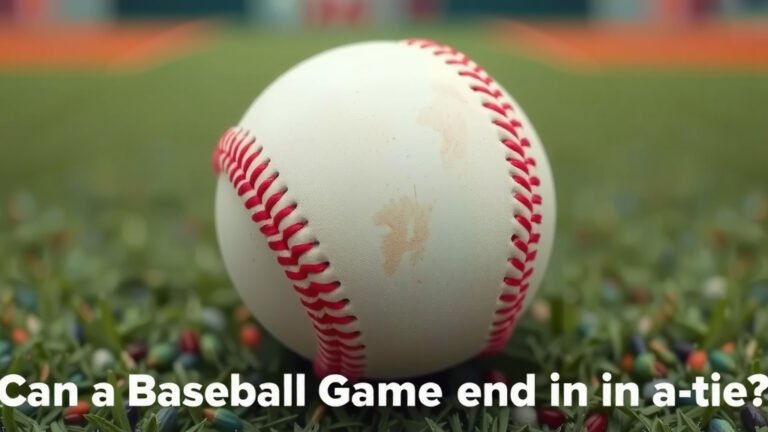
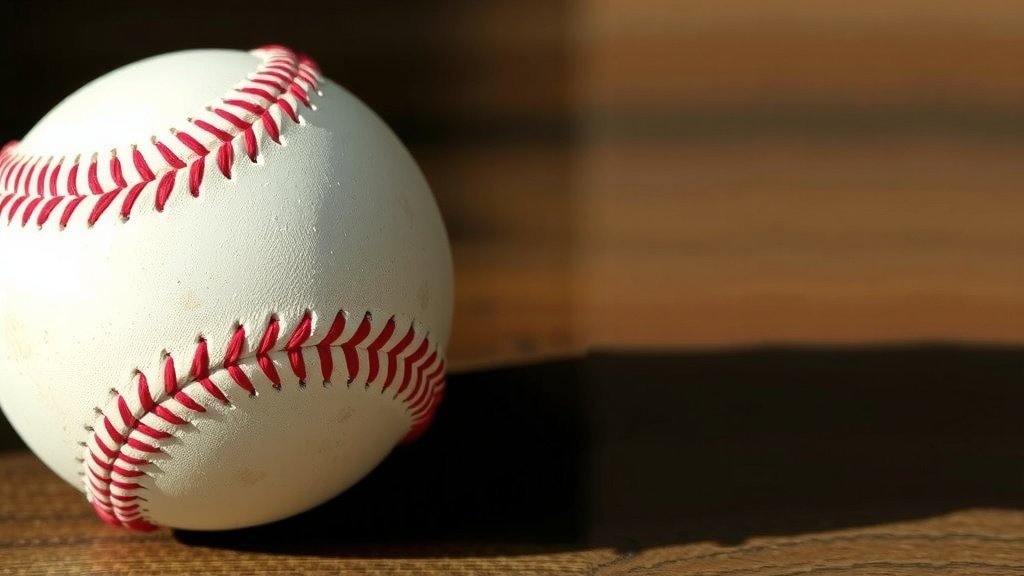
Today, a regulation baseball has 108 double stitches. This is a specific number. It creates the characteristic raised red seam. This standardization ensures fairness. Every player uses a ball that performs predictably. The process is highly controlled. This consistency is vital for competitive play. The Sporting Goods Manufacturers Association sets these standards.
A Checklist for Understanding Baseball Stitches
Let’s recap why those stitches are so vital:
- They provide a better grip for pitchers and fielders.
- The raised seams allow for imparting spin on the ball.
- Spin creates ball movement, making pitches tricky.
- Stitches affect the ball’s aerodynamics in flight.
- They help fielders secure catches more reliably.
- Standardized stitching ensures fair and consistent play.
Conclusion
You’ve learned that those red stitches are far more than just decoration on a baseball. They are essential for a pitcher’s control, allowing them to impart spin that makes the ball move in unpredictable ways. Fielders also depend on the seams for a secure grip, ensuring accurate throws and reliable catches. The standardized 108 double stitches guarantee fair play. Now that you understand their importance, the next time you watch a game, pay close attention to how players interact with the seams – you’ll see the game in a whole new light!
Frequently Asked Questions
Can you play baseball with a ball that doesn’t have stitches?
Technically, you could try, but it would drastically change the game. Without stitches, a ball would be too slick to grip effectively. Pitchers wouldn’t be able to create spin, and fielders would struggle to control it. The accuracy and strategy we see in baseball rely heavily on those seams.
Are all baseball stitches the same color and pattern?
For regulation baseballs, yes. The standard is 108 double stitches, typically in red thread. This consistency ensures that every ball performs similarly, promoting fairness in professional games. Minor league or practice balls might sometimes have different colored stitches for identification or fun, but the number and function remain the same.
How do stitches help a pitcher throw different kinds of pitches?
The raised seams give pitchers something to grip and manipulate. By changing how their fingers sit on the seams and how they apply pressure, pitchers can impart different types of spin. This spin interacts with the air, causing the ball to curve, drop, or break in various ways, creating pitches like curveballs, sliders, and sinkers.
Do stitches affect how far a baseball travels when hit?
Yes, the stitches do influence a baseball’s flight. The raised seams create drag and turbulence in the air, which slows the ball down compared to a perfectly smooth sphere. This aerodynamic effect is a key reason why baseballs don’t travel as far as they might otherwise, and it’s something hitters and pitchers alike have to account for.
Could a baseball be made with a different number of stitches?
While a regulation baseball must have 108 double stitches, it’s possible to manufacture balls with fewer or more. However, changing the number or pattern of stitches would alter the ball’s grip, spin potential, and aerodynamics. This would affect how the ball is pitched, hit, and caught, likely making it unsuitable for official games.