What Is a Checked Swing in Baseball? Explained
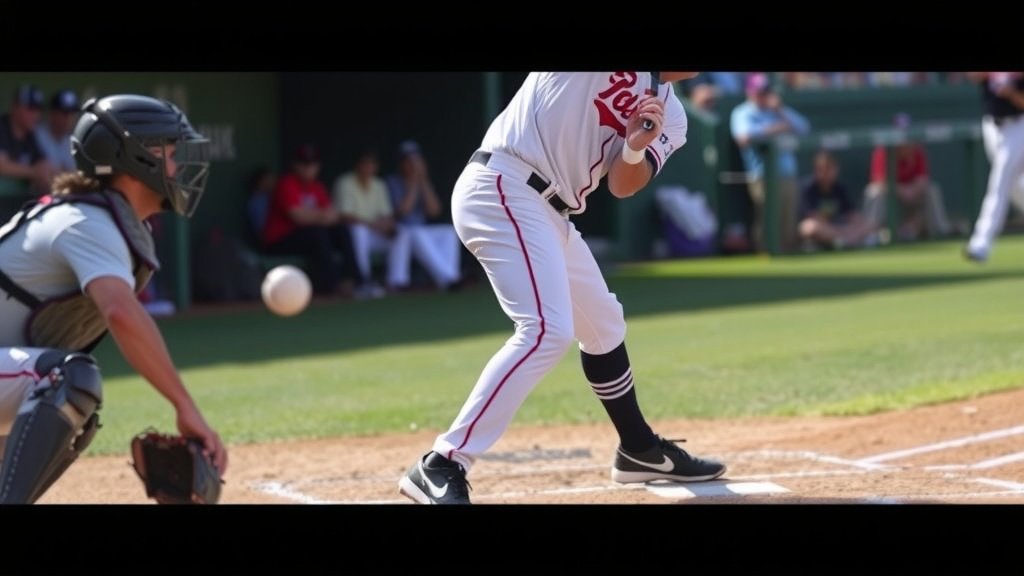
A checked swing in baseball is when a batter starts to swing at a pitch but stops the motion before their bat fully completes the arc. It’s essentially a swing that doesn’t finish. Umpires call this a strike if the batter swings and doesn’t hit the ball, but they can’t go back around on a pitch. It’s a common part of the game.
Understanding the checked swing is important for both batters and pitchers. For batters, it can save them from striking out on a bad pitch. For umpires, it’s a judgment call that can impact the game. We found that knowing the rules around it helps in making better decisions at the plate and on the field.
- A checked swing is when a batter stops their swing mid-motion.
- It’s called a strike if they begin the swing and don’t complete it.
- The umpire decides if the swing was checked or if it was a full swing.
- This play is a key part of baseball strategy and rules.
Let’s break down exactly what makes a swing “checked” and how umpires make that important call.
When Does a Swing Become “Checked”?
You’re at the plate, and a pitch comes in that’s just outside the strike zone. You start to swing, but then you realize it’s not a good pitch to hit. So, you pull back. Was that a strike? That’s where the concept of a checked swing comes into play. It’s a pretty common situation in baseball that umpires have to call. Essentially, it’s a swing that the batter tries to stop before it’s fully completed.
The key here is what the umpire sees. Did the batter initiate the swing? Did they attempt to bring the bat around? Or did they simply move their hands and wrists without truly committing to the swing? These are the subtle differences that decide if it’s a strike or not. It’s not about whether the bat crossed the plate, but about the intent and motion of the swing itself.
The Umpire’s Perspective: Making the Call
It might seem simple, but calling a checked swing is one of the umpire’s toughest jobs. They have a split second to watch the batter’s entire body. They look at the hands, wrists, and the path of the bat. The goal is to determine if the batter committed to the swing.
Many experts point out that umpires are trained to look for specific cues. These include the elbow motion and the rotation of the torso. If these actions show a clear intent to hit the ball, even if the batter tries to stop, it’s often called a swing. But if the bat stays close to the body and the movement is mostly in the hands, it might be ruled a checked swing.
What the Rules Say
According to official baseball rules, a swing is defined as an attempt to hit the ball. A checked swing happens when the batter starts this attempt but then stops the motion before completing it. If the umpire judges that the batter made a swing, and the ball was not hit, it’s a strike. This is true even if the batter attempted to pull back.
The rulebook is quite clear on this, but the application can be tricky. Umpires have to make these judgment calls quickly and accurately. The official rules are the guide, but human observation is what brings them to life on the field.
Why Batters Check Their Swings
So, why would a batter deliberately try to stop their swing? It’s usually a strategic decision. Batters check swings for a few good reasons. Often, they realize the pitch is too far out of the zone. Swinging at a bad pitch is rarely a good idea. It can lead to a strikeout or a weak ground ball.
Another reason is to avoid taking an awkward hack at a pitch that’s difficult to hit. Sometimes a pitch might be in a weird spot, or the batter might be slightly out of position. Pulling back can save them from an embarrassing miss or a poor outcome. It’s a way to protect the strike zone and maintain better control at the plate.
Think of it like this: you’re about to step into a puddle, but then you see it’s much deeper than you thought. You instinctively pull your foot back. A checked swing is similar; the batter sees the pitch isn’t what they wanted and pulls back the “foot” (the bat) before it’s too late.
The Anatomy of a Checked Swing Call
Let’s break down the mechanics of what an umpire sees and considers when making a checked swing call. It’s not just about the bat’s final position. It’s a sequence of movements. The umpire is watching the entire process unfold.
Initiation of the Swing
The first thing an umpire looks for is the initiation of the swing. This involves the batter taking the bat off their shoulder and starting to bring it forward. Did the hands move with purpose? Did the wrists cock? These are key indicators that a swing is being attempted. A slight shift of the weight or a twitch of the hands might not be enough.
We found that many batters try to make it look like they didn’t swing. They might just move their hands a little. However, experienced umpires can often detect the difference between a true check and a batter trying to pull a fast one.
The Bat’s Path and Completion
Next, the umpire observes the bat’s path. Did the bat start to move in an arc away from the body? Did it begin to come forward with any force? Even if the batter tries to stop, the initial motion is what matters. If the bat breaks the plane of the body, it’s usually considered a swing.
The crucial element is whether the batter has committed to the swing. This commitment is judged by the forward motion of the bat and the body’s involvement. If the bat has moved substantially, the umpire will likely rule it a swing, even if the batter attempts to abort the action.
The Umpire’s Judgment and Appeal
The umpire’s decision is final in most cases. However, in some leagues and levels of baseball, there’s an appeal process. If a batter is called out on strikes due to a checked swing that they believe was not a swing, the manager can sometimes appeal the call. This usually involves asking the umpire crew if the batter swung.
Many coaches and players discuss how difficult these calls can be. Different umpires have slightly different interpretations. This can lead to frustration. But the umpire’s judgment is paramount on the field at the moment of the play.
Checked Swings in Different Baseball Scenarios
The impact of a checked swing can vary depending on the game situation. It’s not just about getting a strike called. It can affect pitching strategy and the batter’s plate discipline.
Two-Strike Counts: The High Stakes
When a batter is in a two-strike count, a checked swing becomes incredibly important. If the umpire calls it a strike, the batter is out. This is where batters often try to check their swings, hoping the umpire won’t call it a full swing. They are desperately trying to stay alive in the at-bat.
Conversely, pitchers often throw pitches that are tough to hit when the batter has two strikes. They might be trying to get the batter to chase a pitch out of the zone. If the batter starts to swing and checks it, the pitcher might get the strike. If they don’t check it and miss, it’s also a strike. It’s a high-pressure situation for both.
Pitching Strategy and Checked Swings
Pitchers and their coaches often use the checked swing rule to their advantage. They might throw pitches on the edge of the strike zone. They want to see if the batter will chase. If the batter swings and checks it, it can disrupt their rhythm. It might make them more hesitant on future pitches.
Some research suggests that batters who frequently check their swings can fall behind in counts. This gives the pitcher more control over the at-bat. It’s a constant mental game being played out pitch by pitch.
Batter’s Plate Discipline
Understanding checked swings also helps batters with their plate discipline. Knowing when to start a swing and when to stop it is a skill. A batter who consistently swings at bad pitches and doesn’t check them will struggle. They will rack up strikeouts quickly.
Good hitters learn to recognize pitches early. They can decide whether to commit to a swing or check it. This ability to adjust mid-swing is a hallmark of an experienced player. It shows they are thinking and reacting at the plate.
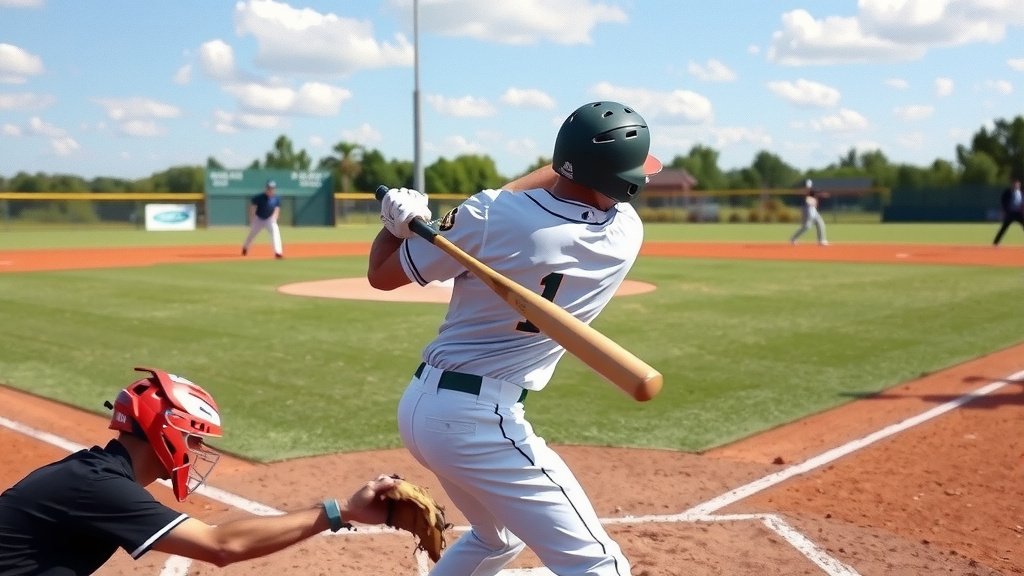
Here’s a quick checklist for batters considering a swing:
- Is the pitch in the strike zone?
- Have I committed to a full swing motion?
- Can I realistically hit this pitch well?
- Is it worth risking a strike?
- Should I try to check the swing?
- What’s the count?
Common Misconceptions About Checked Swings
There are a few ideas that people often get wrong about checked swings. Let’s clear them up so you have a better understanding.
“If the bat doesn’t cross the plate, it’s not a swing.”
This is a very common misconception. We found that many people believe this. However, the rules state that a swing is an attempt to hit the ball. The bat does not need to cross the plate. If the batter commits to the swing, it can be called a strike even if they check it before the bat gets there.
“The batter always gets the benefit of the doubt.”
While umpires try to be fair, there’s no automatic “benefit of the doubt” for the batter on a checked swing. The call is based on the umpire’s judgment of the action. If the umpire sees clear evidence of a committed swing, they will call it a strike. It’s about what they observe.
| Feature | Checked Swing | Full Swing |
|---|---|---|
| Intent | Starts to swing, then attempts to stop | Full commitment to hitting the ball |
| Bat Motion | Bat starts forward, but motion is arrested | Bat continues in a full arc |
| Body Involvement | Limited torso and arm rotation | Significant torso and arm rotation |
| Umpire Call (if missed) | Strike (if swing initiated) | Strike (if missed) |
“All umpires call it the same way.”
This is perhaps the most frustrating misconception for players. While umpires are trained uniformly, there are subtle differences in how they interpret the action. Some umpires might be more strict, calling almost any forward bat movement a swing. Others might give the batter a bit more room to check their swing.
It’s important to remember that umpires are human. They are making a judgment call in real-time. Many professional development programs for umpires focus on making these calls as consistent as possible. However, minor variations are to be expected. This is why understanding the basic principles is so helpful.
Conclusion
Understanding the checked swing is more than just knowing a baseball rule; it’s about grasping a subtle but important aspect of the game. You’ve learned that it’s a batter’s attempt to stop their swing mid-motion, and the umpire’s call hinges on judging the intent and the initial movement. Batters use it strategically to avoid bad pitches, while umpires must make quick, accurate decisions based on observable actions.
Now that you know the ins and outs, pay closer attention to these calls during your next game. You’ll appreciate the skill involved for both the batter and the umpire. The next time you’re at bat, trust your instincts and know when to commit and when to pull back.
Frequently Asked Questions
What is the main difference between a checked swing and a full swing?
A checked swing starts with an attempt to hit the ball but is then deliberately stopped by the batter before completing the arc. A full swing is a committed attempt to hit the ball, where the bat continues through its natural path. The umpire judges the intent and motion to differentiate.
Can a checked swing be called a strike even if the bat doesn’t cross the plate?
Yes, absolutely. The rule focuses on whether the batter initiated a swing with intent. If the umpire judges that the batter committed to swinging and did not hit the ball, it can be called a strike, even if the swing was checked before the bat reached the hitting zone.
How do umpires determine if a batter actually swung?
Umpires observe multiple cues: the movement of the batter’s hands and wrists, the rotation of their torso, and the initial path of the bat. They look for a clear commitment to swing, not just a slight movement or twitch of the hands.
Why would a batter deliberately try to check their swing?
Batters check their swings primarily to avoid swinging at pitches that are clearly out of the strike zone or pitches they can’t hit well. It’s a way to protect themselves from striking out on a bad pitch and to maintain better control over their at-bat.
What happens if a batter checks their swing and the ball hits them?
If the umpire has already called a checked swing a strike, and the ball hits the batter, the batter is out. However, if the umpire has ruled it *not* a swing (a checked swing), and the ball hits the batter, they will be awarded first base, as they would be on any other pitch that hits them outside of a strike call.