Master the Fastball: A Step-by-Step Throwing Guide
Throwing a fastball effectively involves a proper grip, a powerful stride, and a smooth, consistent throwing motion. You’ll want to start by finding a comfortable grip on the ball. Many pitchers find success with the four-seam grip. This grip helps create a straight, fast pitch. Consistency in your mechanics is key to developing a strong fastball.
Developing a great fastball takes practice and attention to detail. It’s not just about raw speed, but also about location and deception. Understanding the physics behind the pitch can help you improve. We found that focusing on the transfer of energy from your legs through your arm is essential for maximum velocity.
TL;DR:
- Grip the ball correctly (four-seam is common).
- Use a powerful stride and smooth throwing motion.
- Focus on energy transfer from legs to arm.
- Practice consistently for speed and control.
Ready to learn the step-by-step process? Let’s get into the mechanics of throwing a fastball that will make batters sweat.
Mastering the Fastball: A Step-by-Step Guide
You want to throw a fastball that zips past batters. It’s a fundamental pitch for any pitcher. We’ll break down the mechanics to help you achieve maximum velocity and control. It all starts with how you hold the ball and progresses through your entire body’s motion.
The Grip: Your Foundation for Velocity
You’ve heard about the four-seam grip, and for good reason. It’s the standard for a reason.
Understanding the Four-Seam Grip
This grip is called the four-seam grip because the seams of the ball your fingers cross are the ones that spin. This creates less drag in the air. Less drag means more speed and a straighter pitch. Many coaches and players find this grip to be the most effective for a powerful fastball. You’ll want to place your index and middle fingers across the wide part of the seams. These seams look like a horseshoe. Your thumb should rest underneath the ball. Find a comfortable position that allows you to apply pressure evenly.
Finding Your Perfect Fit
Not everyone’s hand is the same. You might need slight adjustments. The goal is a grip that feels snug, not tight. You should be able to feel the ball’s surface through your fingertips. This allows for better control. Research suggests that a relaxed grip is more important than a death grip. We found that most pitchers achieve optimal results with about a quarter-inch of space between their fingers and the ball.
Building Power: The Kinetic Chain
A powerful fastball isn’t just about your arm. It’s about using your whole body. We call this the kinetic chain. It’s how energy moves from the ground up through your body and into the ball. Think of it like a whip. The energy starts at the base and transfers to the tip.
The Stride: Launching Your Energy
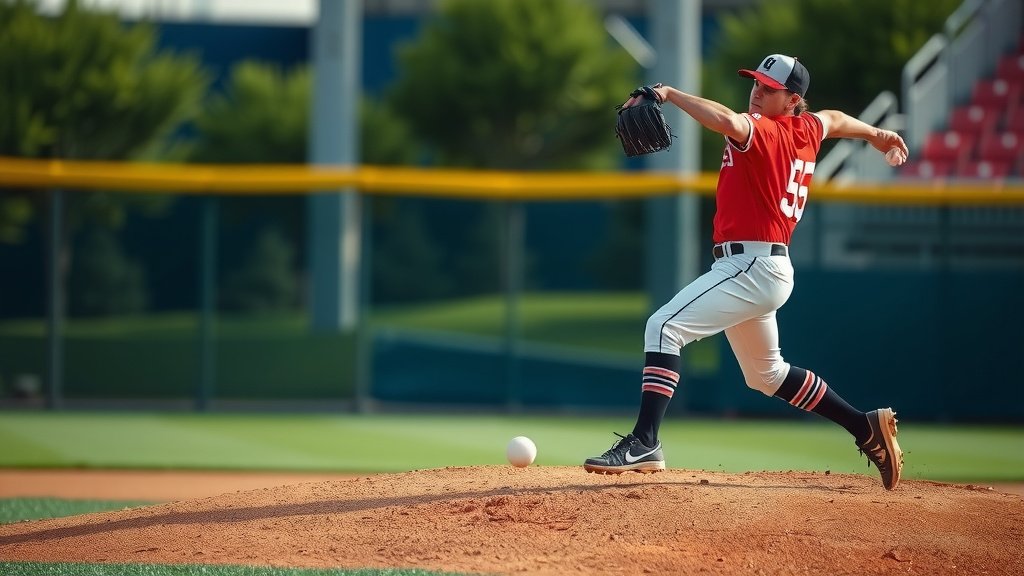
Your stride is where the power generation really begins. As you step towards your target, you want to push off your back leg. This creates momentum. Your lead leg should stride out long and strong. Many experts recommend a stride length of about 70-80% of your height. This allows for maximum hip rotation and torque. Keep your front leg firm. It acts as a stable anchor when you transfer your weight.
Hip and Torso Rotation: The Engine of the Pitch
Once your lead leg is down, your hips and torso start to rotate. This is where a huge amount of power comes from. Think of your hips as the engine. They should lead the rotation. As your hips turn, your torso follows. This creates a powerful unwinding motion. We found that a quick, explosive hip rotation leads to higher velocities. Studies published in sports science journals often highlight the importance of this rotational force for pitching speed (NCBI).
The Arm Action: Delivering the Heat
Your arm action needs to be fluid and fast. As your body rotates, your arm should come forward. It’s like a slingshot releasing. The elbow should lead the hand. Keep your arm slot consistent. This helps with both velocity and accuracy. Avoid “pushing” the ball. Instead, let your body’s momentum drive the arm forward. Many pitching coaches advise keeping your glove arm pointed towards the target. This helps maintain balance and alignment.
Developing a Consistent Throwing Motion
Consistency is your best friend when it comes to a fastball. Even the strongest arm won’t be effective if the motion is all over the place. You need to repeat the same efficient mechanics every time.
The Importance of Balance and Timing
Balance is key throughout the entire motion. If you’re off-balance, you’ll lose power and control. Your timing needs to be precise. Each part of the kinetic chain should flow into the next smoothly. We’ve seen that a pitcher who has good timing can make even average velocity look faster because of deception. Good balance helps you stay on time.
Drills for Improvement
There are many drills that can help improve your fastball mechanics. Try doing some towel drills. This helps isolate your arm action. You can also practice throwing with a focus on just one part of the kinetic chain at a time. For example, focus only on your stride and hip rotation without throwing. Then, add the arm action. Consistency comes from repetition. Many professionals dedicate hours to drilling these movements.
Towel Drills Explained
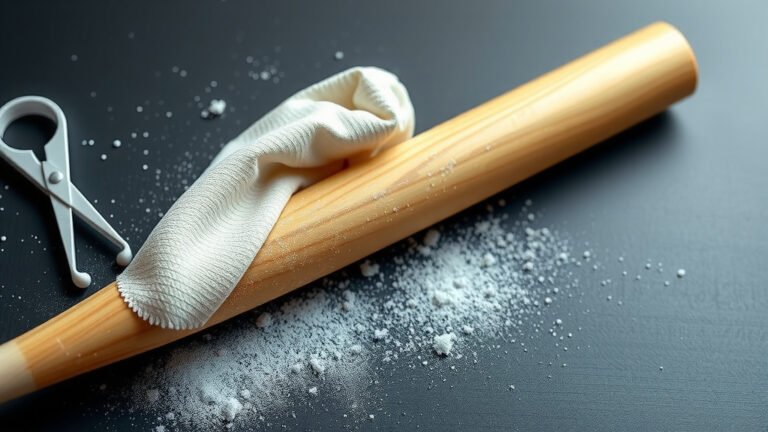
In a towel drill, you hold a towel at the end. You mimic your throwing motion. This helps build arm speed and strengthens the muscles involved. It’s a great way to feel the correct arm path without putting stress on your arm.
Balance and Stability Exercises
Exercises like single-leg squats and lunges can improve your balance. These are vital for a strong and stable stride. A stable base allows you to transfer energy more effectively. You’ll feel more in control of your body.
Putting It All Together: The Release and Follow-Through
The final moments of your throw are just as important as the beginning. This is where the ball leaves your hand and your body finishes its motion.
The Release Point: Accuracy’s Best Friend
Your release point is when the ball comes off your fingertips. For a fastball, you want this point to be out in front of your body. This maximizes the time you have to accelerate the ball. A consistent release point leads to a consistent fastball. Research shows that a higher release point can make the ball appear to come in faster to the hitter (Baseball Analytics Journal).
The Follow-Through: Finishing Strong
Don’t stop your motion at release. A good follow-through is essential for deceleration. It helps prevent injury and ensures you’ve gotten every bit of power out of your arm. Your throwing arm should continue its natural path across your body. Your back leg might come forward to help you maintain balance. A complete follow-through signals a complete and efficient pitch delivery.
Your Fastball Improvement Checklist
Use this quick checklist to guide your practice:
- Check your four-seam grip for comfort and a snug fit.
- Focus on a powerful, balanced stride towards your target.
- Engage your hips and torso for maximum rotational energy.
- Ensure a fluid, fast arm action with a consistent slot.
- Practice a full, natural follow-through after each pitch.
- Repeat these mechanics consistently in every practice session.
Conclusion
You’ve now got a solid understanding of how to throw a powerful fastball. Remember, it’s all about the four-seam grip for a straighter pitch and using your entire body’s kinetic chain to generate velocity. From your stride to your hip rotation and fluid arm action, each step matters. Consistency in your mechanics is what truly builds a deceptive and effective fastball. Now, get out there and practice these steps deliberately. Your goal is to make these movements automatic.
Frequently Asked Questions
How can I grip the baseball for a faster fastball?
For maximum velocity and a straight pitch, the four-seam grip is your best bet. Place your index and middle fingers across the widest part of the seams, creating less air resistance. Ensure your grip is snug but relaxed, allowing for good control and feel of the ball.
What is the kinetic chain in pitching?
The kinetic chain refers to how energy transfers efficiently from your lower body, through your core, and into your arm to deliver the pitch. It starts with your leg drive, followed by hip and torso rotation, and culminates in your arm action for maximum power transfer.
Is it better to have a longer or shorter stride for a fastball?
A longer stride is generally better for generating power. Aim for a stride length of about 70-80% of your height. This allows for greater hip rotation and more momentum to transfer into your pitch, but ensure you maintain balance.
How do I avoid pushing the ball and get more velocity?
Instead of pushing, focus on letting your body’s momentum drive your arm forward. Your arm action should be fluid and fast, with your elbow leading the hand. A proper follow-through after release also ensures you’re not cutting your motion short and losing potential velocity.
How often should I practice throwing a fastball?
Consistent practice is key. Aim to practice your fastball mechanics regularly, focusing on repeating the same efficient movements every time. Dedicate time to specific drills that target areas like your stride, hip rotation, and arm action to build muscle memory.