Understanding the Baseball Strike Zone: A Definitive Guide
The strike zone in baseball is the imaginary rectangular area over home plate. A pitch is considered a strike if it passes through this zone. It’s defined by the batter’s stance and the plate’s width.
This area is critical for determining balls and strikes. Umpires judge pitches based on their location relative to this zone. The precise height of the zone can vary slightly with each batter. It’s a fundamental part of the game’s flow.
- The strike zone is an imaginary area over home plate.
- It’s used to call balls and strikes.
- The zone’s height depends on the batter’s stance.
- Understanding it is key to enjoying baseball.
Let’s get into the specifics of what makes up this important area and how it works.
Defining the Strike Zone in Baseball
The strike zone is a fundamental concept in baseball. It’s the imaginary rectangular area over home plate. A pitch must pass through this zone to be called a strike. Its exact dimensions aren’t static. They change slightly with each batter. This dynamic nature is key to understanding the game.
What Exactly Is a Strike?
A strike is called when a batter swings and misses at a pitch. It’s also a strike if the batter doesn’t swing at a pitch. The pitch must be within the strike zone. Batters try to hit strikes. Pitchers try to throw strikes that batters can’t hit well. There are a few ways a strike can be called.
Swinging Strikes
This is the most straightforward. If you swing at a pitch and don’t make contact, it’s a strike. This happens regardless of where the pitch was thrown. Even if it’s way outside the strike zone, your swing makes it a strike. You’ve essentially decided the pitch is hittable.
Called Strikes
This is where the strike zone comes into play. If you don’t swing at a pitch, the umpire judges its location. If the pitch passes through the strike zone, the umpire calls it a strike. This is the umpire’s judgment call. It’s based on their interpretation of the zone.
Foul Balls
A foul ball also counts as a strike. This is generally true, with one important exception. If you have two strikes already, hitting a foul ball doesn’t count as a third strike. You can’t strike out by hitting a foul ball with two strikes. You can bunt a foul ball with two strikes, and that *is* a strikeout.
How the Strike Zone is Determined
The strike zone isn’t just a fixed box. It’s a bit more nuanced than that. The official rules provide a definition. The top of the strike zone is generally considered to be the midpoint of the batter’s torso. The bottom is the hollow beneath the kneecap. This creates a consistent framework.
The Batter’s Stance is Key
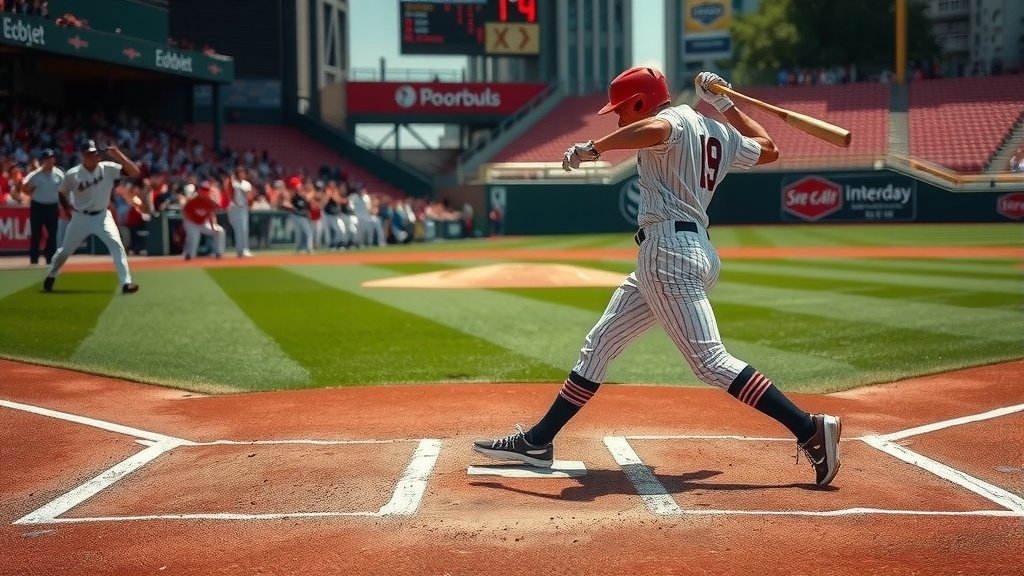
This is where the variability comes in. The umpire determines the strike zone for each batter. They consider the batter’s natural stance at the plate. If a batter stands very tall, their strike zone might be higher. If a batter crouches low, their zone might be lower. This is why you see batters try different stances. They’re trying to influence the umpire’s judgment.
Think of it like a gate. The batter stands in front of the gate. The gate’s height is determined by how tall the batter is standing naturally. The width is always the width of home plate. The umpire watches the ball go through that gate.
Home Plate as the Width Reference
The width of the strike zone is always the same. It’s determined by the width of home plate. This is an imaginary rectangle. It extends vertically from the bottom of the batter’s knees to the midpoint of their torso. It spans horizontally across home plate. So, the width is constant. The height is what varies.
Umpires and the Strike Zone
Umpires are the arbiters of the strike zone. They have a tough job. They must consistently call balls and strikes. Their judgment is final, though it can be debated by fans and players. Each umpire might have a slightly different interpretation. We found that many studies suggest umpire consistency is a significant factor in game fairness.
Baseball’s governing bodies provide guidelines. These help umpires maintain consistency. However, human judgment is involved. This leads to some variation. It’s one of the aspects that makes baseball so interesting. The batter’s goal is to make the umpire call pitches a certain way.
The Umpire’s Perspective
From the umpire’s viewpoint, they are watching the pitch. They see if it crosses the plate within the batter’s defined zone. They don’t call strikes based on where the batter *should* be. They call it based on where the batter *is*. This is a critical distinction.
The rules are clear, but applying them is an art. Umpires often use their hands to show the top and bottom of the zone. This helps players and fans understand their calls. It’s a visual cue that aids communication. Many coaches say practicing with this visual in mind can help batters.
Why the Strike Zone Matters So Much
The strike zone is the heartbeat of an at-bat. It dictates the rhythm of the game. A pitcher wants to throw pitches that look like strikes. They want them to be just outside the zone. This can make the batter swing at a bad pitch. Or, they might get called strikes without even trying.
A batter wants to see the pitches that are in the zone. They need to know what to swing at. They also need to know what to let go. Getting the umpire to call pitches outside the zone as balls is a skill. It takes discipline and good eyesight.
Impact on Pitching Strategy
Pitchers use the strike zone to their advantage. They might try to “paint the corners.” This means throwing pitches right on the edge of the zone. They hope the umpire calls them strikes. This can put the batter in a defensive position. They might have to swing at pitches they don’t want.
Conversely, pitchers might throw pitches that look like strikes. They might break just out of the zone. This can fool the batter into swinging. It can also lead to called balls if the batter doesn’t bite. We found that research on pitching strategy highlights the importance of deception around the zone.
Impact on Batting Strategy
For batters, understanding the strike zone is essential for success. They need to know their own zone. They must resist the urge to swing at bad pitches. Swinging at pitches outside the zone often results in weak contact. Or, it leads to a strikeout. This is especially true with two strikes.
A batter who has a good eye can work counts. They can force the pitcher to throw more pitches. This can tire out the pitcher. It can also lead to the pitcher making a mistake. A mistake pitch could be one that’s right in the hitter’s wheelhouse. Many famous hitters are known for their plate discipline.
The Strike Zone and Different Levels of Play
While the concept of the strike zone is universal in baseball, its application can differ. We found that professional umpires undergo extensive training. This aims for peak consistency. Youth leagues often have more relaxed interpretations. Sometimes, younger umpires are learning too.
Professional Baseball
In Major League Baseball (MLB), the strike zone is generally well-defined. Umpires are highly experienced. While there’s still some subjectivity, the boundaries are more consistent. The speed and movement of professional pitches are extreme. This makes calling them incredibly difficult.
There’s ongoing discussion about robot umpires. These systems could call balls and strikes electronically. This would remove human subjectivity. However, many argue that this would change the game’s feel. It might reduce the strategic element of working the umpire. Many fans and players appreciate the human element.
Youth and Amateur Baseball
In youth leagues, the strike zone might be called more generously. This is often done to encourage more action. Smaller players might have their zone adjusted slightly more. The focus is often on development rather than strict adherence. You might see more swings at pitches that are borderline.
Parents and coaches often focus on teaching young players the basics. They learn to identify pitches within their zone. They are taught not to swing at everything. This helps them develop good hitting habits early on. It’s about learning the game’s rhythm.
Common Misconceptions About the Strike Zone
There are a few things people often get wrong. One common mistake is thinking the strike zone is the same for everyone. As we’ve discussed, the height varies. Another misconception is that the umpire calls strikes based on where the ball *should* have been. They call it based on where it *was* relative to the batter.
Some people also think a pitch directly over the middle of the plate is always a strike. This is usually true, but not always. If the batter doesn’t swing and the pitch is above their shoulders or below their knees, it’s a ball. The batter’s stance is the defining factor.
A Quick Checklist for Understanding the Strike Zone
Here’s a handy reminder of the key points:
- The strike zone is an imaginary rectangular area.
- Its width is always the width of home plate.
- Its height depends on the batter’s natural stance.
- Umpires judge pitches based on this defined zone.
- A pitch is a strike if it’s in the zone and the batter doesn’t swing.
- It’s also a strike if the batter swings and misses, regardless of location.
Understanding the strike zone is like learning the secret handshake of baseball. It helps you appreciate the strategy. It makes every pitch more interesting. It’s a core part of why baseball is such a strategic game.
Conclusion
You’ve learned that the strike zone isn’t just a fixed box. It’s a dynamic area judged by the umpire. Your understanding of its ever-changing height, based on the batter’s stance, is key. You now know how this imaginary rectangle over home plate shapes every pitch, strategy, and outcome.
The strike zone is truly the heartbeat of an at-bat. It influences both pitchers and batters. Keep an eye on how umpires call pitches and how players adjust their stances. This deeper appreciation will make watching baseball even more engaging.
Frequently Asked Questions
Can a batter change their strike zone on purpose?
Yes, batters can try to influence their strike zone. They do this by adjusting their stance at the plate. A taller stance might appear to give them a higher strike zone. A lower crouch can make the zone appear lower. It’s a strategic move to try and get more pitches called in their favor.
Are robot umpires really going to be used to call balls and strikes?
There’s a lot of discussion about using automated ball-strike systems, sometimes called “robot umpires.” These systems could remove human judgment from the equation, leading to more consistency. However, many people enjoy the human element and the art of umpiring.
Does the umpire’s strike zone change mid-game for the same batter?
Generally, the umpire tries to maintain consistency for a batter throughout their at-bat. However, slight adjustments can happen if a batter significantly changes their stance. Umpires also have a general area they aim for, but each pitch is judged individually.
What happens if a pitch hits the batter but is in the strike zone?
If a pitch is in the strike zone and hits the batter, it’s still a called strike. This is because the batter didn’t swing. The umpire judges the pitch’s location. If it was in the zone, it counts as a strike, even if it hits the batter.
How does the strike zone differ in youth baseball compared to MLB?
In youth leagues, the strike zone might be called more loosely or generously. This helps encourage more action and hitting. Professional umpires in MLB have a very refined and consistent interpretation. They undergo extensive training to call pitches accurately.