Master the Knuckleball: A Step-by-Step Guide
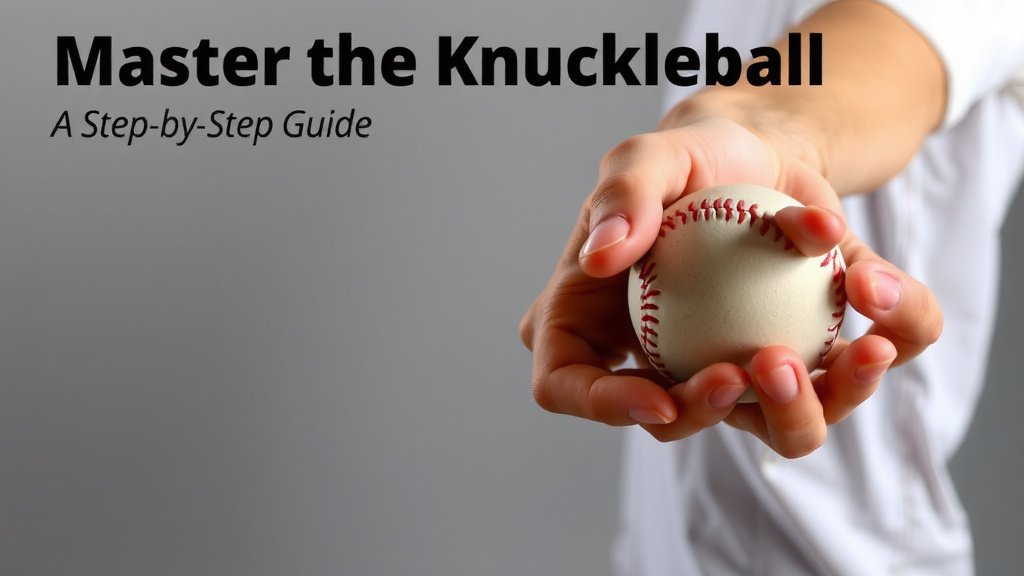
Throwing a knuckleball requires a specific grip and a motion focused on minimizing spin. The key is to hold the ball with your fingertips, not your palm, and deliver it with a straight arm motion, almost like a dart. This lack of spin causes the ball to move unpredictably through the air, making it a notorious pitch to hit.
While it sounds simple, mastering the knuckleball takes considerable practice and patience. Many pitchers find it a difficult pitch to control consistently. The goal is to make the ball dance and flutter, often fooling hitters with its erratic path, which is why it’s been a fascinating pitch in baseball for decades.
- Grip with fingertips, not palm.
- Keep your arm straight on delivery.
- Minimize any spin on the ball.
- Practice makes perfect for control.
- Expect unpredictable movement.
Let’s walk through exactly how to get started with this unique pitch.
“`htmlMastering the Knuckleball: A Pitcher’s Guide
Throwing a knuckleball is more about precision and less about power. You’re aiming for a pitch that floats and dances. It’s a tricky pitch, but incredibly effective when mastered.
The Grip: Finding Your Knuckleball Hold
The foundation of a good knuckleball is the grip. This is where you’ll feel the most difference from a fastball. You want to reduce spin as much as possible. This makes the ball flutter.
Fingertips Are Key
Forget about burying the ball deep in your palm. Instead, you’ll want to hold the ball primarily with your fingertips. This is the most critical adjustment. Think about digging your nails into the seams.
Common Grips to Try
Many pitchers find success with variations of a few core grips. Here are some popular ones:
- Two-fingered grip: Place your index and middle fingers close together on a seam. Dig your nails into the leather. Keep your fingers straight and stiff.
- Three-fingered grip: Similar to the two-fingered grip, but you’ll add your ring finger. The extra finger helps stabilize the ball. Some pitchers use their thumb on the opposite seam.
- Knuckle grip: This involves using the tips of your fingers, or even your knuckles, pressing into the seams. It’s a bit more aggressive but can produce excellent results.
Experiment with these. You’re looking for the grip that allows you to apply pressure without gripping too tightly. A death grip will actually cause more spin.
Seams Matter
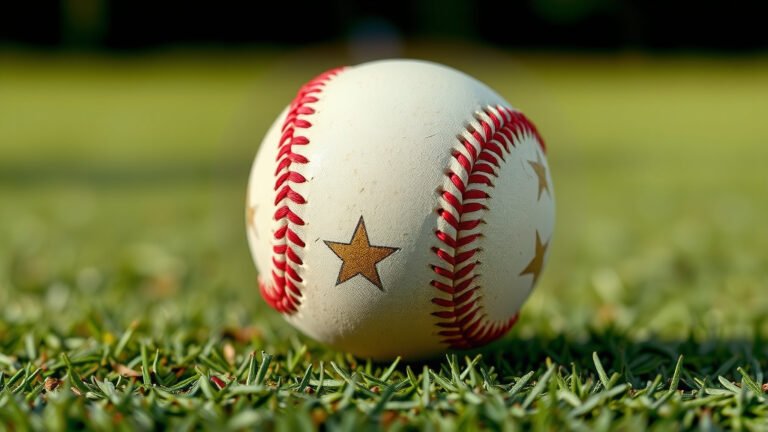
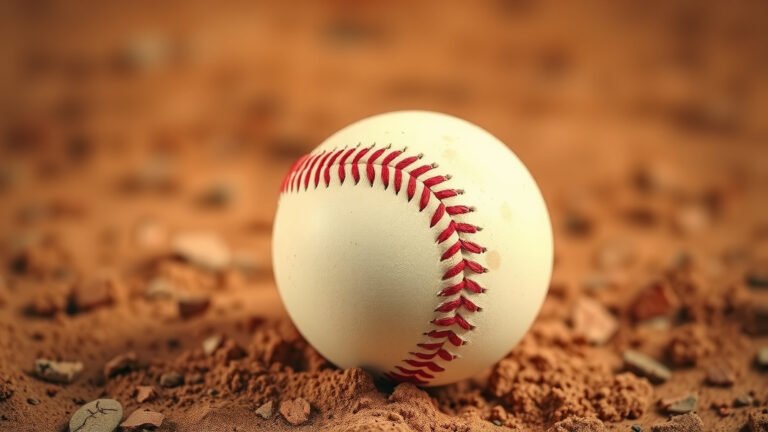
The seams on a baseball aren’t just decorative. They are your friends with the knuckleball. Try to position your fingers so they dig into the seams. This helps you disrupt the airflow around the ball. Some pitchers prefer to place their fingers across the seams, while others find success with them along the seams. You’ll find what works best for you through trial and error.
The Delivery: Less is More
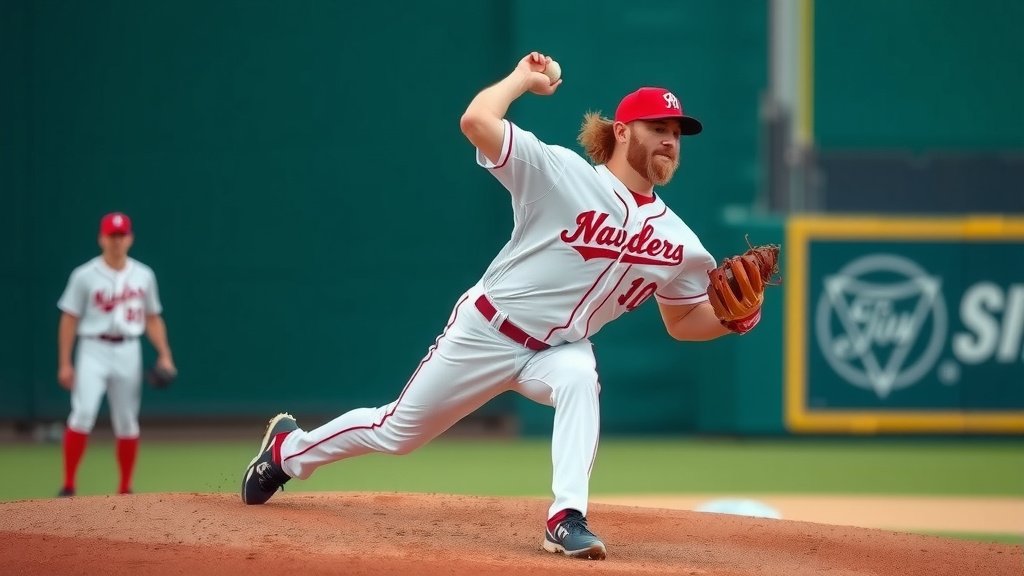
Your pitching motion is just as important as your grip. You want to deliver the ball with minimal effort and no wrist snap. Think of it like throwing a dart, not a baseball.
Straight Arm Motion
Keep your arm as straight as possible during the entire throwing motion. Avoid bending your elbow or flicking your wrist. A natural arm swing is fine, but the release should be clean and straight. This prevents adding spin. Many experts recommend a motion similar to throwing a football spiral, but without the spin.
No Spin, No Problem
The goal is to make the ball travel without rotation. A spinning ball will move predictably. An un-spinning ball will be at the mercy of the air currents. This unpredictability is what makes the knuckleball so tough to hit. Imagine a confused butterfly fluttering through the air; that’s the kind of movement you want.
Follow Through with Care
Your follow-through should also be smooth and controlled. Don’t try to “guide” the ball. Just let your arm naturally come across your body. Trying too hard to control the pitch during the follow-through can introduce unwanted spin. A relaxed follow-through helps maintain the pitch’s erratic path.
Practice and Development: Patience is a Virtue
Mastering the knuckleball isn’t something that happens overnight. It takes consistent practice and a lot of patience. Even some of the best knuckleball pitchers in history struggled with control initially.
Start Small and Close
When you first start practicing, stand closer to your catcher. Focus on getting the right grip and a clean release. Don’t worry about velocity or movement just yet. You need to build muscle memory. Get comfortable with how the ball feels coming off your fingertips.
Build Up Distance Gradually
Once you can consistently get the ball to the plate without spin, gradually increase the distance. This is where you’ll start to see the true magic of the knuckleball. As the ball travels, it will start to float and move in unexpected ways. This can be exciting, but also frustrating if you’re not prepared.
The Importance of Catcher Feedback
Your catcher is your best friend when learning the knuckleball. They can provide invaluable feedback on what the pitch is doing. Are you getting too much spin? Is it moving too predictably? They can also help you field the position, as you might be a bit wild at first.
Common Pitfalls to Avoid
Several common mistakes can hinder your progress:
- Trying to throw too hard: Velocity is not the goal. Focus on a clean release.
- Gripping the ball too tightly: This kills the float and adds spin.
- Using too much arm action: Keep the arm motion straight and smooth.
- Getting discouraged: Everyone struggles at first. Keep practicing!
Understanding Knuckleball Movement
The magic of the knuckleball lies in its unpredictable flight. It’s not about overpowering hitters; it’s about deception and confusion. The lack of spin means the ball is highly susceptible to air currents.
The Aerodynamics at Play
When a baseball is thrown with spin, the air flows smoothly around it, creating predictable movement (think curveballs and fastballs). A knuckleball, with little to no spin, has turbulent airflow. This causes the ball to deviate from a straight path randomly. It can dip, swerve, or even stop mid-air.
Making it Tough for Hitters
Hitters struggle with knuckleballs because their brains are wired to predict the ball’s trajectory based on spin. Without spin, their timing and eye-hand coordination are thrown off. It’s like trying to catch a greased watermelon. Even experienced hitters can look silly swinging at a well-executed knuckleball.
When to Use the Knuckleball
The knuckleball is a pitch that should be used wisely. It’s not your go-to pitch in every situation.
Situational Awareness
Many pitchers use the knuckleball as a change of pace. It’s excellent for throwing off a hitter’s timing, especially after a few fastballs. It can be effective with two strikes to try and induce a swing and miss. However, it’s generally not recommended when you need a guaranteed strike or when you’re behind in the count and need to throw a fastball.
Control is Paramount
If you can’t find the strike zone with your knuckleball, it’s best left in the bullpen. A wild knuckleball can be more dangerous to yourself and your catcher than to the hitter. The ability to command it is more important than its movement. We found that pitchers who can consistently throw strikes with their knuckleball have a much higher success rate.
Here’s a quick checklist to keep in mind:
- Fingertips grip, not palm.
- Keep arm straight on release.
- Minimize all spin.
- Practice short distances first.
- Listen to your catcher’s feedback.
- Don’t expect a straight path!
Conclusion
You’ve learned that the knuckleball is a pitch defined by minimal spin and unpredictable movement. Mastering it requires focusing on your grip with fingertips, a straight-arm delivery, and a whole lot of patience. Remember, it’s not about throwing hard, but about making the ball dance. Keep practicing those short distances, listen to your catcher, and don’t get discouraged by initial wildness. Take the first step today by grabbing a ball and finding the grip that feels right for your fingertips. Your catcher is waiting!
Frequently Asked Questions
Is the knuckleball really that hard to throw?
Yes, the knuckleball is notoriously difficult to master. Many pitchers struggle with its control because the goal is to eliminate spin, which is counterintuitive to most throwing motions. It takes dedicated practice to get the feel for the right grip and release.
Can I throw a knuckleball without digging my nails into the ball?
While digging your nails into the seams or leather can help disrupt airflow and reduce spin, it’s not strictly mandatory. Some pitchers find success with a grip that emphasizes fingertip pressure on the seams without extreme nail pressure. Experiment to find what works for you.
What’s the difference between a knuckleball and a fastball delivery?
The main difference is the delivery motion and intent. A fastball uses a bent arm and a strong wrist snap to generate velocity and spin. A knuckleball delivery is a straight-arm motion with minimal wrist action, designed to minimize spin and maximize the chance of unpredictable movement.
Will my knuckleball always move erratically?
Not necessarily. While the goal is erratic movement, a poorly executed knuckleball can travel in a relatively straight line with little to no movement. Achieving consistent, unpredictable movement requires perfecting your grip and delivery through diligent practice.
Should I always throw a knuckleball when I’m behind in the count?
Generally, no. The knuckleball is often best used as a surprise pitch or when you have an advantage, like two strikes. It’s not typically a pitch you can rely on for a guaranteed strike, and its unpredictability can sometimes backfire if you lose control of it.