How Many Players on a Baseball Team Explained
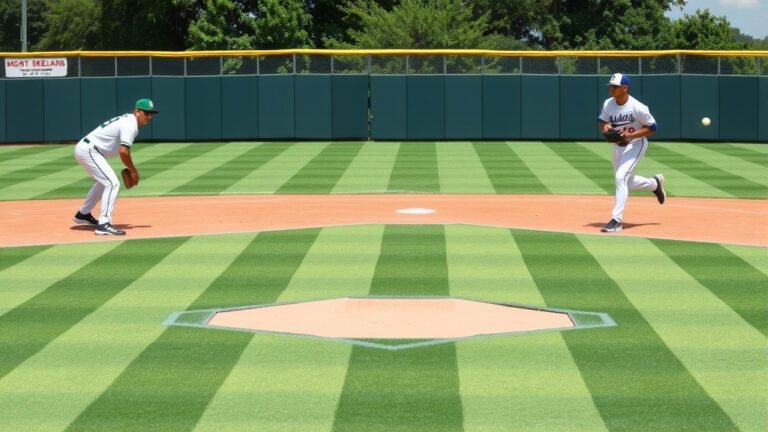
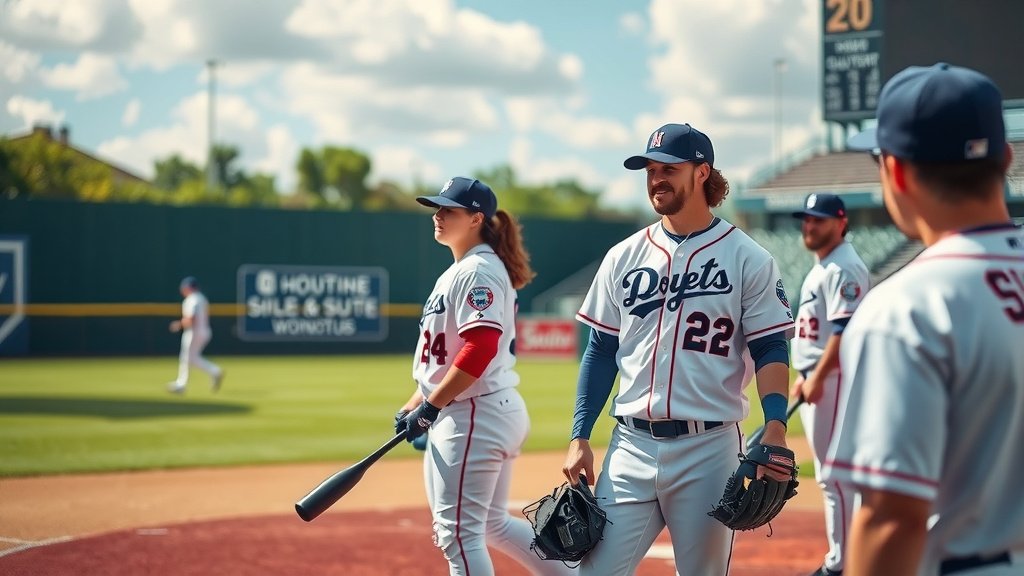
So, how many players are on a baseball team? A standard baseball team has 25 players on its active roster during the regular season. This includes a mix of pitchers, catchers, and position players. You’ll see many of these players take the field during a game.
Beyond those 25 active players, Major League Baseball teams can have a larger 40-player expanded roster. This allows them more flexibility for call-ups from the minor leagues. It’s a smart way to manage player development and cover potential injuries. Think of it as a deep bench ready to go.
- A baseball team typically has 25 players on its active roster.
- This roster includes pitchers, catchers, and other field players.
- Major League Baseball teams can expand their roster to 40 players.
- The larger roster helps with player development and injuries.
Let’s break down exactly what that means for your favorite team on game day and beyond.
Understanding Your Baseball Team’s Roster Size
When you watch a baseball game, you see a specific number of players on the field. But behind those stars, there’s a larger group working hard. We’re talking about the roster. The number of players on a baseball team isn’t as simple as just the ones you see playing.
Major League Baseball (MLB) has specific rules about how many players a team can have. These rules ensure fair play and player development. Let’s break down the active roster and the expanded roster so you know exactly who is part of the team.
The Active Roster: Game Day Players
The active roster is the group of players eligible to play in a game on any given day. This is the **25-man roster** you often hear about. It’s the core group that competes during the regular season. Think of them as the ready-to-go squad for every match.
Breaking Down the Active Roster Positions
This active roster is carefully balanced. It needs players for every situation. You’ll find pitchers, catchers, and position players all filling spots. This mix ensures the team can handle different game scenarios.
Pitchers: The Arm Specialists
Pitchers are vital to any baseball team’s success. The active roster typically includes a good number of them. You’ll find starting pitchers and relief pitchers. The exact number can vary from team to team. Some teams prefer more starters, while others load up on relievers.
Catchers: The Field Generals
Catchers are more than just players who squat behind home plate. They manage the game. They call pitches and direct the defense. Most teams carry two catchers on their active roster. This ensures there’s always a backup ready if needed.
Position Players: The Everyday Heroes
These are the players who fill the other defensive positions. This includes infielders and outfielders. They also handle the offensive duties, batting in the lineup. The rest of the active roster spots are dedicated to these essential players.
Roster Management on Game Day
Teams must manage their active roster carefully each day. They need to decide who is playing and who might be getting a rest. This is especially true for pitchers. Their arms need careful management to avoid injury.
The manager will look at matchups and player performance. This helps them choose the best lineup. It also helps them decide which relievers to bring in during the game. This strategic thinking is a big part of baseball.
The Expanded Roster: Depth and Development
Beyond the 25 active players, MLB teams have another roster to consider. This is the **40-man roster**. It acts as a pool of players. It includes those on the active roster and others who are part of the organization but not currently playing in games.
This expanded roster is crucial for development. It’s where prospects and players working their way back from injury often reside. It gives teams flexibility. They can easily call up players from this list when needed.
Why the 40-Man Roster Exists
The 40-man roster serves several important purposes. It protects players from being drafted by other teams in the Rule 5 Draft. It also allows teams to develop players in the minor leagues without losing them. This system is a backbone of professional baseball.
Many rules govern who can be on the 40-man roster. Players must be added by a certain deadline. This prevents teams from simply stockpiling players without giving them a chance to advance.
Player Development Pipeline
Think of the 40-man roster as a bridge. It connects the minor league system to the major league team. Players who perform well in the minors might get added to the 40-man. This signals they are close to a call-up. It’s an exciting time for those players.
Injury Protection and Call-Ups
Injuries are a reality in baseball. The 40-man roster helps teams cope. If an active player gets injured, a replacement can be brought up from the 40-man pool. This keeps the team competitive. It also ensures players get opportunities when others are sidelined.
This system allows for strategic roster moves. Teams can plan for the future. They can also react quickly to unforeseen circumstances. It’s a smart way to build and maintain a successful club.
Roster Sizes in Different Baseball Leagues
While we’ve focused on MLB, roster sizes can differ. Other leagues have their own rules. Minor league teams, for example, often have different roster limits. College baseball and youth leagues also have their own unique structures.
These variations help tailor the game. They suit the goals of each league. Minor leagues focus on development. College leagues balance education and competition. Youth leagues prioritize fun and learning the fundamentals.
Minor League Rosters
Minor league teams typically have larger rosters than MLB teams. This allows for more players to get playing time and develop. Teams might have a Class AAA team, a Class AA team, and so on. Each level has its own roster size requirements.
These larger rosters ensure that every player has a chance to improve. They can work on their skills without the intense pressure of the majors. It’s a vital part of the player progression system.
Amateur Baseball Rosters
In amateur leagues, roster sizes are often smaller. This is especially true for youth leagues. It ensures more playing time for each child. It helps them develop a love for the game. High school and college teams might have more players due to the competitive nature of those levels.
These differences highlight how roster size serves specific purposes. It’s not just an arbitrary number. It’s tied to the goals of the league itself.
Here’s a quick rundown of what we’ve discussed:
- MLB teams have a **25-player active roster**.
- This active roster includes pitchers, catchers, and position players.
- There is also an **expanded 40-man roster** for flexibility.
- The 40-man roster helps with player development and injuries.
- Minor league and amateur leagues have different roster rules.
- Roster sizes are designed to fit the goals of each league.
Conclusion
You now understand the structure of a baseball team’s roster. You know that MLB teams have an active 25-player roster for game days. You also know about the expanded 40-man roster. This provides depth for player development and injury coverage. Remember that other leagues, like the minors and amateur levels, have different rules. These variations help tailor the game to their specific goals. Use this knowledge to better appreciate the strategic depth behind every baseball team you follow.
Frequently Asked Questions
Can a baseball team have more than 25 players active at once?
During the regular MLB season, the active roster is capped at 25 players. However, teams utilize the 40-man roster for players who aren’t currently active but are part of the organization. This allows for flexibility with injuries and call-ups.
How many pitchers are typically on a 25-man roster?
The exact number of pitchers can vary by team strategy. Generally, a 25-man roster will include around 12 or 13 pitchers. This split often includes both starting pitchers and a robust bullpen of relief pitchers.
What happens to players on the 40-man roster who don’t play?
Players on the 40-man roster but not on the active 25-man roster are typically in the minor leagues. They are developing their skills and are available if the MLB team needs to call them up due to injuries or performance needs.
Are roster sizes the same across all professional baseball leagues?
No, roster sizes differ. Minor league teams often have larger rosters than MLB clubs to allow for more player development. Independent leagues and international leagues also have their own specific roster rules.
Can a team add players to its roster during the season?
Yes, teams can add players to their roster during the season through various methods. This can include calling up players from their minor league system or acquiring players through trades. However, there are rules about when these moves can be made.