How to Choose the Right Baseball Bat for Your Game
Choosing the right baseball bat can make a big difference in your game. The best bat for you depends on your age, league rules, and personal preference for feel and weight. We found that considering these factors first simplifies the selection process significantly.
Baseball bats come in various materials like aluminum, composite, and wood. Each has its own pros and cons regarding durability, swing speed, and pop. Many leagues have specific regulations on bat types, so it’s smart to check those before you shop around.
- Consider your age and league rules first.
- Think about what material (aluminum, composite, wood) works best.
- Choose a bat with the right length and weight.
- Bat performance matters, but so does how it feels in your hands.
Let’s walk through exactly how to pick the perfect baseball bat for your needs.
Picking Your Perfect Baseball Bat
Finding the right baseball bat can feel like searching for a unicorn. But don’t worry, we’ve got your back! It’s all about matching the bat to your specific needs. We found that understanding a few key factors makes this process much easier.
Understanding Baseball Bat Materials
The material your bat is made from makes a big difference. Each type has unique qualities that affect how it performs and feels. We’ll break down the most common options so you can make an informed choice.
Aluminum Bats (Alloy)
Aluminum bats are a popular choice, especially for younger players. They are known for being durable and offering good pop right out of the wrapper. You don’t usually need a break-in period with these bats. This means you can grab one and head straight to the field.
A big advantage of aluminum is its consistency. They tend to perform well in a wide range of temperatures, which is great if you play in varying weather. We found they are also generally more affordable than some other options, making them a budget-friendly pick.
Composite Bats
Composite bats are made from carbon fiber and other materials. They are known for having a larger sweet spot than aluminum bats. This means you might get more forgiving hits even if you don’t quite square the ball up perfectly.
These bats often require a “break-in” period. This means hitting the ball a few dozen times to help the material reach its optimal performance. Many players find that composite bats offer a better feel and vibration dampening. This can lead to a more comfortable swing, especially for players with sensitive hands.
One thing to note with composite bats is their performance in cold weather. Some research suggests they can be more brittle in low temperatures. This means you might want to be a bit more careful if you’re playing on a chilly day. Always check your league rules, as some leagues have restrictions on composite bats.
Wood Bats
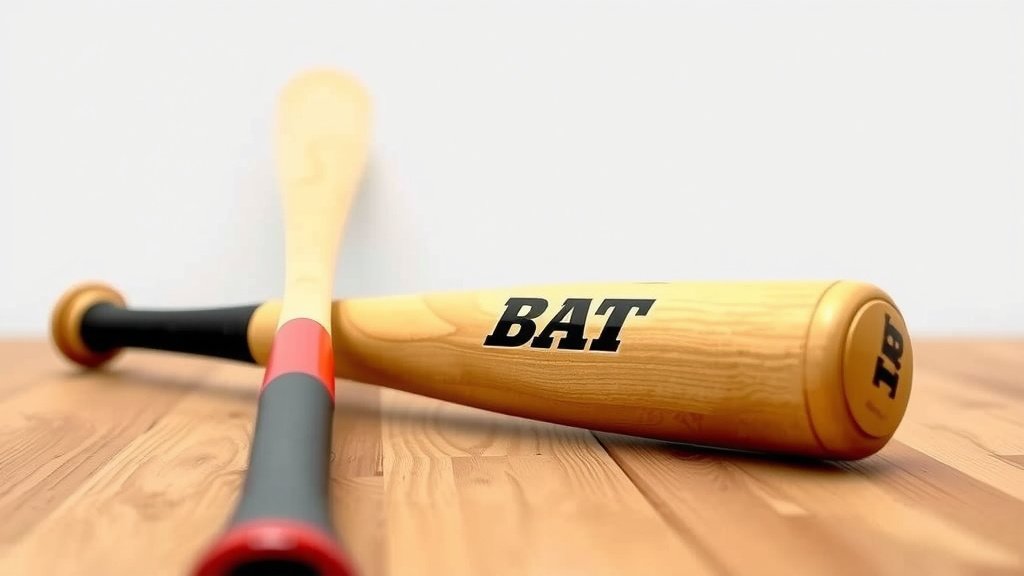
Wood bats are the classic choice for serious players, especially in higher levels of baseball like college and professional leagues. They are made from solid pieces of wood, typically maple, ash, or birch. Wood bats require more skill to use effectively.
You need to hit the ball squarely on the sweet spot for good results. This helps players develop better swing mechanics. Wood bats also tend to be more prone to breaking than their metal counterparts. This is just part of the tradition and challenge of using them.
While they might not have the “pop” of some metal bats, wood bats offer a pure hitting experience. Many older players and those looking to hone their skills prefer the feel and feedback wood bats provide. They are also usually the only option for certain leagues, so it’s worth knowing the rules.
Choosing the Right Length and Weight
The length and weight of your bat are critical. Getting this right impacts your swing speed and control. Think of it like choosing the right tool for a job; it needs to fit you perfectly.
Understanding Bat Drop
Bat drop is the difference between the bat’s length and its weight. It’s expressed as a negative number. For example, a 30-inch bat that weighs 20 ounces has a drop of -10 (30 – 20 = 10).
A higher drop number (e.g., -12) means the bat is lighter for its length. A lower drop number (e.g., -3) means the bat is heavier for its length. Lighter bats are easier to swing faster, while heavier bats can offer more power.
Finding the Ideal Length
A common way to find the right length is to use your arm. Hold the bat at the end of your outstretched arm, with your palm flat along the barrel. If the knob of the bat reaches your armpit, it’s likely a good length.
We also found that your height and age are good indicators. Younger, smaller players usually need shorter bats. Taller, older players can handle longer bats. Always check your league’s regulations for maximum bat lengths.
Determining the Perfect Weight
Weight is just as important as length. A bat that’s too heavy will slow down your swing. A bat that’s too light might not give you enough power.
A good test for weight is to have a player hold the bat out in front of them with their arms extended. If they can hold it there comfortably for about 20-30 seconds without their arms shaking excessively, it’s likely a good weight. We found this is a reliable way to gauge strength-to-weight ratio.
Remember, a lighter bat often allows for a quicker swing. A quicker swing can lead to more solid contact. For younger players, we often recommend starting with a lighter bat to help them develop good swing habits.
League Rules and Regulations
This is a big one! Every league has rules about what kind of bats are allowed. You absolutely must check these before you buy.
Little League, for example, has specific rules about bat diameter and drop. Travel ball leagues might have different requirements. Even high school and college baseball have their own standards, often requiring specific certifications like BBCOR.
We found that ignoring these rules can lead to a bat that’s illegal for play. This means you might end up with a bat you can’t even use in games. Always visit your league’s official website or ask an administrator about their approved bat list.

Performance vs. Feel: What Matters Most?
Beyond the specs, how a bat feels in your hands is incredibly important. Some bats just feel “right.” This connection can boost your confidence at the plate.
The Sweet Spot
The “sweet spot” is the part of the bat where hitting the ball results in the most efficient transfer of energy. A larger sweet spot means more forgiving hits. Some bats are designed with larger sweet spots.
Grip and Balance
Consider the grip. Is it comfortable? Does it feel secure in your hands? The balance of the bat also plays a role. Some bats are end-loaded, meaning the weight is concentrated towards the end, which can help generate more power but may slow down your swing. Others are more balanced, making them easier to swing quickly.
We found that trying out a few different bats, if possible, is a great way to understand what feels best. Swinging a bat around, even just in your backyard, can give you a good sense of its balance and how it feels as you move it through the zone.
Quick Checklist for Choosing Your Bat
- Check your league’s official bat rules first.
- Consider your age, size, and strength for length and weight.
- Think about what material (aluminum, composite, wood) best suits your league and preferences.
- Test the weight by holding it out in front of you.
- Evaluate the feel and balance of the bat in your hands.
- Don’t forget to consider the grip for comfort and control.
Conclusion
You’ve got this! Choosing the right baseball bat boils down to a few key things. You need to know your league’s rules inside and out. Then, consider what feels best in your hands and matches your personal hitting style. We found that understanding the materials like aluminum, composite, and wood helps narrow things down. Getting the length and weight just right is also essential for your swing. Now that you’re armed with this knowledge, you’re ready to find a bat that truly elevates your game. Head to your local shop or check online retailers and start swinging!
Frequently Asked Questions
What is the difference between a drop 10 and a drop 12 bat?
A drop 10 bat is heavier for its length than a drop 12 bat. A lower drop number means a heavier bat, while a higher drop number means a lighter bat. Most younger players start with a higher drop number like -10 or -12 for easier swinging. We found that lighter bats often lead to quicker bat speeds.
Do I really need to “break in” a composite bat?
Yes, many composite bats benefit from a break-in period. This usually involves hitting about 100-200 balls with moderate force. This process helps the composite material reach its peak performance. We’ve seen that it can really improve the bat’s pop and feel over time.
Can I use my composite bat in cold weather?
You should be cautious when using composite bats in cold weather. Some research suggests they can become more brittle at lower temperatures, increasing the risk of damage. It’s often best to switch to an aluminum or wood bat on very chilly days. Always check your league’s guidelines too.
How do I know if a bat is too heavy for me?
A good test is to have you extend the bat straight out in front of you with both hands. If you can’t hold it steady for about 20-30 seconds without significant shaking, it’s likely too heavy. We found this method helps gauge if the bat’s weight matches your strength for a good swing.
Are wood bats harder to hit with than aluminum or composite bats?
Generally, yes. Wood bats have a smaller sweet spot and demand more precise contact. They also don’t offer the same forgiveness on off-center hits. Many players feel that using wood bats helps them develop better swing mechanics and bat control. We see this as a great way to hone your skills.