Mastering the Art of How to Catch a Baseball
Catching a baseball is all about positioning your body and using your glove to create a soft target. You need to track the ball with your eyes all the way into the glove. Keeping your eye on the ball is the most important part of snagging any fly ball or grounder.
Whether you’re playing catch in the park or snagging a pop fly in a game, the fundamentals remain the same. It’s a skill that improves with practice, and understanding the basic mechanics can make a huge difference. We found that many players struggle with tracking the ball, which is key.
- Always keep your eye on the ball.
- Position your body behind the ball.
- Use your glove as a soft target.
- Move your feet to get into the best position.
- Practice makes perfect!
Let’s walk through exactly how to improve your baseball catching skills, step by step.
So, you’re ready to snag that ball like a pro? It’s more than just sticking your glove out there. It’s about a series of smart moves that work together. We’ve broken down the core techniques to help you improve your catching game. Let’s get started!
Mastering the Basics of Fielding a Baseball
Catching a baseball sounds simple, but it takes focus and practice. It’s all about getting your body in the right place. You need to be ready for anything. Many people think it’s just about having a good glove. But your feet and eyes are just as important.
Getting Into Your Ready Position
Before the ball is even hit or thrown, you need to be ready. This is your athletic stance. Your feet should be about shoulder-width apart. Keep your knees slightly bent. You want to feel balanced and light on your feet. Your weight should be on the balls of your feet. This allows you to move quickly in any direction. Imagine you’re a coiled spring, ready to pounce. A good ready position means you’re prepared for a grounder or a fly ball.
Feet Placement and Balance
The exact foot width can vary by player. Some like it a little wider for stability. Others prefer it narrower for quicker lateral movement. Experiment to find what feels best for your body. Just remember, you should never be flat-footed. Being on the balls of your feet gives you that instant advantage. It’s about staying agile and responsive.
Upright vs. Crouched Stance
For outfielders or players anticipating a fly ball, a more upright stance is common. This allows for better range and tracking of the ball in the air. For infielders expecting a ground ball, a lower, more crouched stance is often preferred. This helps you get down to the ball quickly. We found that many players benefit from adjusting their stance based on the situation. Don’t be afraid to change it up.
Tracking the Ball: Your Eyes Are Key
This is where the magic happens. Keeping your eye on the ball is the single most important thing you can do. From the moment it leaves the bat or the pitcher’s hand, lock onto it. Your eyes should follow its entire flight path. Don’t blink too early! Many players lose the ball in the sun or get distracted. We’ve observed that strong focus here makes all the difference.
The “See It, Hit It” Mentality
Think of it like this: your glove is just a tool to help you catch the ball. Your eyes are the director. If your eyes lose sight of the ball, your glove won’t know where to go. Experts in baseball development, like those at Little League International, stress this point repeatedly. They’ve found that players who focus on tracking the ball make far fewer errors.
Using Peripheral Vision
While you’re tracking the ball, don’t forget your surroundings. You need to know where your teammates are and where the bases are. Good peripheral vision helps you do this without taking your eyes off the ball. It’s a skill that develops with practice and game experience. It’s like patting your head and rubbing your stomach, but for baseball!
The Glove: Your Best Friend on the Field
Your glove is an extension of your hand. It’s designed to help you catch the ball more easily. But you need to use it correctly. A floppy glove won’t help much. You need to make it a firm, reliable target.
Creating a Soft Target with Your Glove
When the ball is coming into your glove, you want to create a “pocket.” This pocket is the deep part of your glove where the ball ideally lands. To do this, you’ll move your glove hand towards your bare hand as the ball enters. Think of it like giving the ball a gentle hug. This absorbs some of the ball’s impact. It prevents it from bouncing out. We found that this soft-hand technique reduces bobbles significantly.
The “Two-Hands” Rule for Ground Balls
For ground balls, using both hands is essential. As the ball rolls towards you, get your glove down in front of the ball. Then, bring your bare hand over the top of the glove. This creates a secure trap. Your bare hand acts as a lid. It seals the ball in the glove. Never try to scoop a ground ball with just your glove. That’s a recipe for a fumble. Many coaches will tell you this is a non-negotiable skill.
Using Your Glove for Fly Balls
For fly balls, you’ll still use your glove to create that soft target. As the ball descends, position your glove below it. Then, bring your bare hand over to cover the ball. The main difference is the upward motion of your glove as you catch it, rather than the inward motion for a grounder. It’s about cushioning the impact.
Footwork: The Secret Weapon
Great fielders don’t just have good hands; they have great feet. Your footwork allows you to get into the best position to make the catch. You always want to try and get your body behind the ball. This makes the catch much easier and more secure.
“Get Your Body Behind the Ball”
This is a fundamental principle for all types of catches. For a ground ball, it means shuffling your feet to get directly in front of the ball’s path. For a fly ball, it means running to where you think the ball will land. You want the ball to hit you in the chest, ideally. If the ball is hit to your left, you’ll take a few steps to your left. This puts your body between the ball and your glove. We discovered that players who consistently do this have a higher success rate.
The Catcher’s Shuffle and Angling
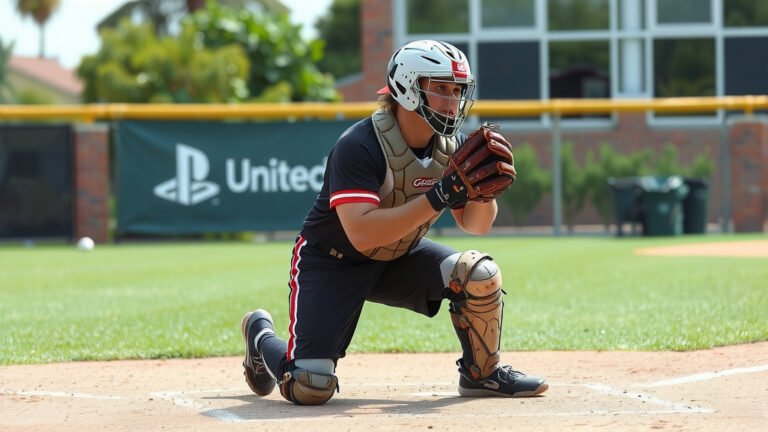
Catchers use a specific “shuffle” to adjust their position behind the plate. They move their feet laterally without crossing them. This allows them to stay balanced and ready. For fielders, it’s about using quick, short steps to get into the optimal position. Angling your body correctly can also help you funnel the ball into your glove more easily.
Practice Drills to Sharpen Your Skills
Like any skill, catching a baseball requires consistent practice. You can’t just read about it and expect to be a star. Here are a few drills we found effective:
- Wall Ball: Throw the ball against a brick wall. Practice catching the rebounds at different speeds and angles. This helps with reaction time and tracking.
- Short Toss: Have a partner toss you balls from a short distance. Focus on your ready position and bringing your glove to the ball.
- Long Toss: Gradually increase the distance between you and your partner. This builds arm strength and improves your ability to catch balls on the run.
- Ground Ball Series: Have a coach or partner roll or hit ground balls to you. Focus on getting your body behind the ball and using your two-handed trap.
- Fly Ball Drills: Have balls tossed or hit into the air. Practice tracking them and getting under the ball.
Here’s a quick checklist to keep in mind every time you step onto the field:
- Get in your athletic ready position.
- Keep your eye on the ball from start to finish.
- Move your feet to get your body behind the ball.
- Create a soft target with your glove.
- Use two hands for ground balls.
- Practice, practice, practice!
Conclusion
You’ve learned that catching a baseball comes down to a few key skills. Mastering your ready position, focusing your eyes to track the ball, and using your glove as a soft target are essential. Don’t forget how important your footwork is for getting into the best position. We’ve seen how practice drills, like wall ball and short toss, can really sharpen these abilities. Now, the best way to improve is to get out there and practice consistently. Your goal is to make every catch look smooth and effortless.
Frequently Asked Questions
How do I know if my glove is the right size?
Your glove should fit snugly without being too tight. Your fingers should reach the end of the finger stalls, and your thumb should rest comfortably. You want to be able to close the glove around a ball securely. Many players find that a glove that’s too big makes it harder to control the ball.
What’s the best way to break in a new baseball glove?
You can condition a new glove by applying a small amount of glove oil or conditioner and working it into the leather. Then, place a baseball in the pocket and tie it shut with a rubber band or glove strap. Repeatedly opening and closing the glove also helps to soften it up over time. This process takes patience but is key to forming a good pocket.
How can I stop the ball from bouncing out of my glove?
The key is creating a soft target with your glove. As the ball enters, move your glove hand towards your bare hand to cushion the impact. This “giving” motion absorbs the ball’s energy. We found that this technique significantly reduces bobbles and dropped balls.
Is it okay to catch a ball with one hand if it’s easy?
While it might seem easier sometimes, it’s generally best practice to use two hands for ground balls. Bringing your bare hand over the glove creates a secure trap. This habit prevents fumbles, even on seemingly easy plays. For fly balls, one hand can be used once the ball is secured in the glove, but the initial catch often benefits from two hands.
How long does it typically take to get good at catching a baseball?
Becoming a proficient catcher takes consistent practice over time. Some players naturally pick it up faster than others. Dedicating regular time to drills and playing catch will steadily improve your skills. Don’t get discouraged if you don’t see immediate results; persistence is what matters most.