How to Pick the Right Bat Drop for Your Swing
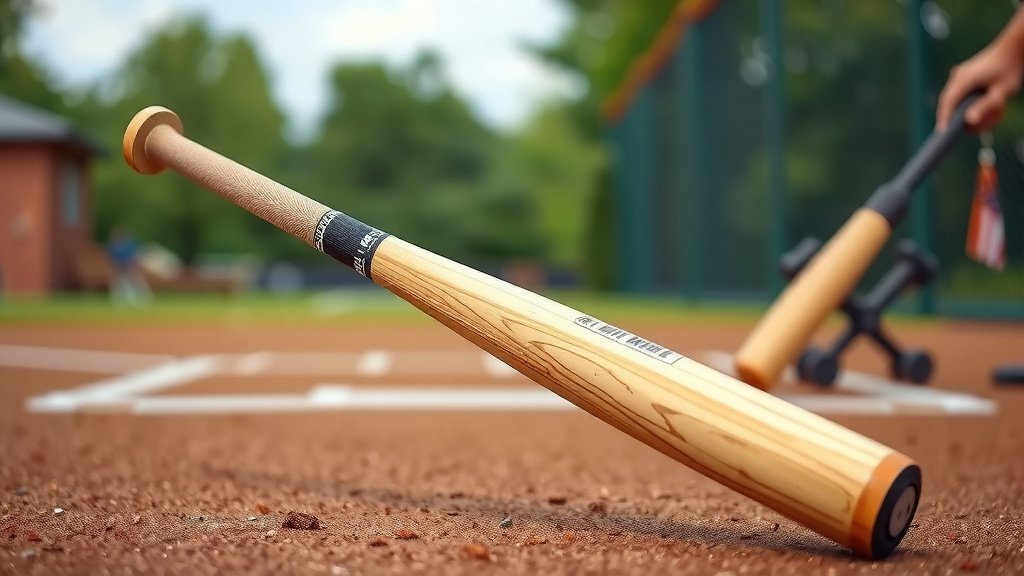
Picking the right bat drop comes down to your age, league rules, and strength. A bat drop is the difference between a bat’s length in inches and its weight in ounces. The lower the drop number, the heavier the bat feels. Most youth leagues cap drops at -10 or -12, while high school and college bats must be -3.
Why does this matter so much? Because the wrong drop can mess with your swing speed and control. We researched what coaches and bat fitters recommend, and we found that matching the drop to your body type beats chasing the lightest bat on the shelf. Too light, and you lose power. Too heavy, and your swing slows down. Simple as that.
Here’s the quick version before we dive in:
- Bat drop = length (inches) minus weight (ounces).
- Younger players usually need higher drops like -10 to -13.
- High school and college players are stuck (by rule) at -3.
- Stronger players can handle lower drops for more power.
- Always check your league rules before buying.
Below, we break down everything you need to know about choosing the right bat drop, step by step. Grab a snack, and let’s get your next bat right the first time.
Choosing the Right Bat Drop for Your Player
The right bat drop matches your strength and league rules, not your ego. Start with your age group, test a few weights, and pick the heaviest bat you can still swing fast and smooth. That’s the whole formula. Now let’s walk through it piece by piece.
Why Bat Drop Changes How You Swing
Think of bat drop like choosing between a tennis racquet and a sledgehammer. One is easy to whip through the zone. The other hits hard but wears you out by the third inning. Swing speed drives power, and research on rotational sports keeps showing the same thing: faster bat speed means harder contact.
Many hitting coaches we found online say young players often swing bats that are too heavy. Why? Because a heavier bat looks “cooler” in the on-deck circle. But a slow, choppy swing helps nobody. Your kid isn’t fooling the pitcher with a log in their hands.
What Drop Should Each Age Group Use?
Here’s the answer up front: match drop to age and body size. Below is the general range most coaches and bat fitters recommend. Your league may differ, so treat this as a starting point, not gospel.
| Age / Level | Common Drop | Notes |
|---|---|---|
| 8 and under | -12 to -13 | Light bats build good habits |
| 9 to 12 | -10 to -11 | USA Baseball limit is -10 to -13 |
| 13 to 14 | -8 to -10 | Transitional years, check rules |
| High school / college | -3 | Required by BBCOR rules |
Youth Players: Go Lighter Than You Think
USA Baseball, which sets standards for most youth leagues, allows drops between -10 and -13 for approved bats. We found that coaches overwhelmingly prefer the lighter end for kids under 12. A lighter bat means more swings in practice without fatigue, and more swings means better mechanics.
Here’s a quick story we heard repeated by several instructors: a 10-year-old shows up with a -8 bat because his dad wanted “more pop.” By the fourth inning, he’s dragging the bat head. Drop back to -11, and suddenly he’s barreling balls again. Don’t let pride pick the bat.
Teen Players: The -3 Wall
High school and college players must swing -3 BBCOR bats. There’s no wiggle room. So the real question isn’t “what drop?” It’s “what length?” A 31-inch -3 weighs 28 ounces. A 33-inch -3 weighs 30 ounces. Same drop, very different feel.
Many experts suggest moving to a -3 one season before high school ball starts. That gives your body time to build the strength needed for the heavier swing. Jumping straight from a -10 to a -3 in one summer? That’s a rough way to learn a lesson.
How to Test a Bat Drop Before You Buy
The best test takes about two minutes. Hold the bat straight out to your side, parallel to the ground, with your dominant arm. If your arm shakes within 20 to 30 seconds, the bat is too heavy. We found this simple test recommended by multiple hitting instructors, and it costs nothing.
The Cage Test
If you can swing in a cage or at practice, even better. Take ten swings with the bat you’re considering. Ask yourself:
- Am I hitting the ball with the barrel or the handle?
- Does my swing feel smooth or forced?
- Can I hold the bat through a full follow-through?
- Would I still feel fresh in the sixth inning?
If three or more answers go the wrong way, size down. There’s no shame in a lighter bat. There’s only shame in popping out to the pitcher’s uncle.
Strength Matters More Than Age
Two kids the same age can be wildly different sizes. That’s why body type beats birthday when picking a drop. A tall, wiry 12-year-old might handle a -10 better than a shorter, stockier teammate. Watch how your player swings, not just how old they are.
Signs the Bat Is Too Heavy
Your player will tell you with their swing before they ever say it out loud. Watch for these red flags:
- Dropping the back shoulder to “muscle” the bat around
- Rolling over on grounders to the pull side
- Bat speed dying after two strikes
- Gripping so hard the knuckles turn white
Sports medicine researchers, including studies referenced by the NIH on youth throwing and swinging athletes, note that overloading young athletes with heavy equipment raises injury risk. A too-heavy bat strains wrists, elbows, and shoulders over a long season. Lighter isn’t lazy. It’s smart.
Signs the Bat Is Too Light
Yes, there is such a thing. If your player bars the arm, swings early on every pitch, or has zero feel for the barrel, the bat might be feather-light. Moving down one drop (say, -12 to -10) can add power without wrecking mechanics. Adjust in small steps, never big leaps.
League Rules: Check Before You Swipe the Card
Nothing stings like a $300 bat your league bans. Every association has its own standards, and they change more often than you’d think. Here’s the short list to verify before buying:
- Little League uses the USA Baseball stamp
- Travel ball often follows USSSA rules, which allow more pop
- High school and college require the BBCOR mark
- Some rec leagues still allow older USSSA or USA bats
We found that most bat returns happen because someone skipped this step. Check your league’s website or ask the coach. Two minutes of homework saves a very awkward return line at the sporting goods store.
Your Pre-Purchase Bat Drop Checklist
Before you buy, run through this list. Print it, screenshot it, tattoo it on your forearm. Whatever works.
- Confirm your league’s bat standard and max drop
- Measure your player’s height and weight for sizing charts
- Do the arm-out test with any candidate bat
- Take ten real swings before committing
- Pick the heaviest bat that still feels fast and smooth
- Plan to re-check the fit every season, because kids grow overnight
One last thought from our research: the “perfect” drop today won’t be perfect next spring. Kids grow, strength changes, rules shift. Treat bat fitting like shoe shopping. Check the fit often, and don’t buy three sizes “to grow into.”
Conclusion
Finding the right bat drop isn’t rocket science. Match the drop to your player’s age, check your league’s stamp requirements, and let strength — not swagger — make the final call. The arm-out test and ten cage swings will tell you more than any spec sheet ever will. Remember, the heaviest bat you can swing fast and smooth wins every time. And since kids grow and rules change, plan to recheck the fit each season. Your next step is simple: confirm your league’s bat standard today, then take a candidate bat for a real test swing before you spend a dime. Do that, and you’ll walk up to the plate with total confidence.
Frequently Asked Questions
What does a -10 drop bat mean?
It means the bat weighs 10 ounces less than its length in inches. A 29-inch -10 bat, for example, weighs 19 ounces. The bigger the number, the lighter the swing feels.
Can my kid use a heavier bat drop than the league allows?
Usually no. Leagues set maximum drop limits to keep play fair and safe, and umpires can check bats before games. Swing a banned bat and you risk an out, an ejection, or worse.
Should I buy a bigger bat for my child to grow into?
We recommend against it. An oversized bat builds bad mechanics and slows swing speed while your kid waits to “grow into” it. Buy what fits now, and budget for a new bat each season or two.
Do drop weights matter for softball bats too?
Yes, though the standards differ. Fastpitch softball bats often run -8 to -13 depending on age level, and governing bodies like USA Softball set their own rules. Always confirm your league’s requirements before buying.
Is a more expensive bat worth it for a young player?
Not always. A $300 bat won’t help a player who’s swinging the wrong drop. Get the fit right first — a properly fitted mid-range bat almost always outperforms a pricey bat that’s too heavy. If budget is part of the decision, our guide to what baseball bats cost breaks down prices by player type.