How to Fix a Long Swing: 7 Drills for a Shorter Stroke
The easiest way to fix a long swing is to shorten your backswing and practice stopping when your lead arm reaches parallel to the ground. A long swing happens when your arms keep going past that point, which throws off your timing and contact. The good news? With a few simple drills, you can tighten it up in a couple of range sessions.
We researched what top golf instructors teach and found that most long swings come from a few common causes: over-rotating your shoulders, letting your wrists get too loose, or just swinging way too hard. Sound familiar? Many experts say the fix isn’t about swinging harder or slower. It’s about learning where your swing should actually stop. Once you feel that correct end point, your contact and consistency improve fast.
Here’s the short version:
- A long swing usually means your arms travel too far past parallel at the top.
- The most common causes are over-rotation, loose wrists, and swinging too hard.
- Drills like the “stop at parallel” drill and feet-together swings help you feel the right length.
- Shortening your swing often adds control without losing much distance.
- Most golfers see real improvement with 15 minutes of practice a few times a week.
Below, we break down everything you need to know about fixing a long swing, step by step. Grab a club, and let’s get your swing back to a length you can actually control.
Fixing an Overswing Without Losing Power
The fastest fix is to train a shorter backswing and trust it. Most golfers worry a shorter swing means less distance. We found the opposite is usually true. When your swing gets too long, your arms and body get out of sync, and you actually lose speed at impact.
Think of it like throwing a ball. You don’t wind up to your ear and hold it there. You wind up just enough, then release. Golf works the same way. Control first, then speed shows up on its own.
What Causes a Swing to Get Too Long?
Before you fix anything, it helps to know why your swing grew in the first place. We researched the most common culprits, and they fall into a few easy-to-spot buckets.
Over-Rotating Your Shoulders
Some golfers turn their shoulders 100 degrees or more trying to make a “full” turn. More turn sounds good, but past a certain point, your arms just float past the top with no support. Many instructors say a shoulder turn near 90 degrees is plenty for most players.
Loose Wrists and Soft Arms
When your grip pressure drops too low, your wrists hinge and unhinge freely. That extra hinge adds swing length you can’t feel or control. Try this: squeeze the club at a 6 out of 10. Firm enough to stay connected, soft enough to swing freely.
Swinging Too Hard
Ego swings are real. We’ve all done it. You want 20 extra yards, so you rip the club back with everything you’ve got, and it flies past parallel. Many experts point out that tour players swing at about 80 percent effort most of the time. That’s not a coincidence.
Bent Lead Elbow at the Top
If your lead arm bends at the top, the club keeps traveling. A straight-ish lead arm is your built-in length stop. You don’t need it locked ramrod straight. Just avoid letting it collapse.
How to Tell If Your Swing Is Too Long
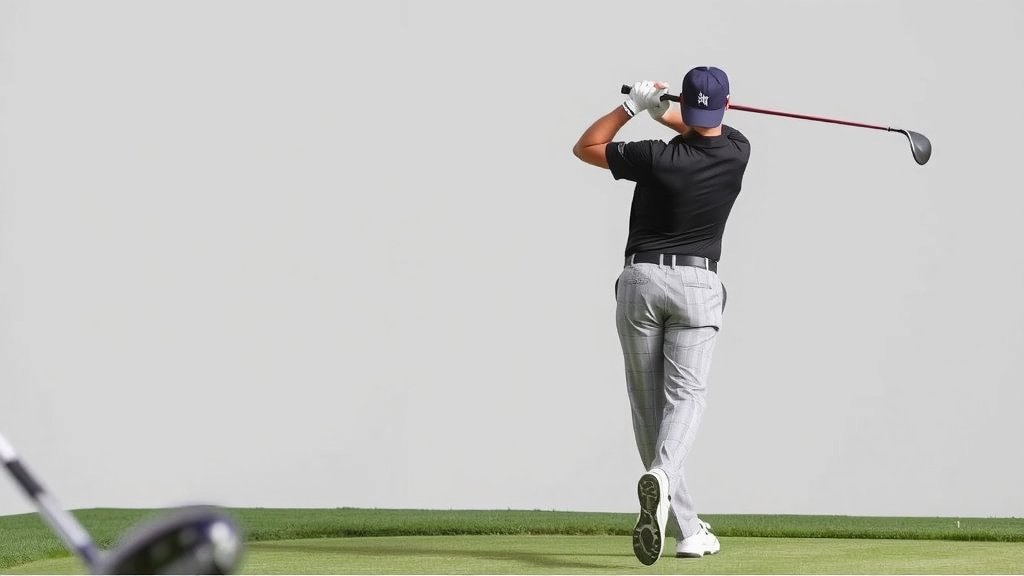
The easiest check costs nothing. Prop your phone up and film your swing from the side, down the target line. Then look at the top of your backswing.
- Your lead arm points past parallel to the ground? That’s overswinging.
- The club shaft crosses the target line and points at the ground behind you? Also too long.
- Your hands are above your head? Way too long.
If you can’t film yourself, use a mirror or just feel for it. If your arms feel like they’re still moving at the top, they probably are.
The Best Drills to Shorten Your Swing
Feeling a shorter swing is harder than it sounds. Your body thinks it’s swinging shorter when it isn’t. These drills fix that by giving you feedback you can trust.
The Stop-at-Parallel Drill
Take your normal address. Swing back slowly and stop the moment your lead arm reaches parallel to the ground. Hold it for three seconds. Look at where the club is. That’s your new top of backswing.
Do 10 slow reps, then hit balls at that length. It will feel weirdly short at first. Give it a range session. Most golfers we researched say the “weird” feeling fades within 50 to 100 balls.
Making the Drill Stick
Place an alignment stick in the ground just outside your back foot, angled up. When you stop at parallel, your club should point at or near the stick. Now you have a visual target, not just a feeling.
The Feet-Together Swing
Hit balls with your feet touching each other. This drill is sneaky good. With a narrow base, you physically can’t make a wild overswing without falling over. Your body learns balance and rhythm fast. Start with wedges, then work up to mid-irons.
The Three-Quarter Punch Shot
Pretend you’re hitting a punch shot under a tree branch. Swing back to three-quarter length, then finish low and short. This teaches your hands and arms to swing in proportion instead of maxing out every time.
Short Swing vs. Long Swing: What You Actually Gain
Wondering what you’re trading away? Here’s an honest look at the trade-off.
| Factor | Long Swing | Controlled Swing |
|---|---|---|
| Contact | Hit or miss | Consistent center strikes |
| Timing | Hard to repeat | Easier to repeat |
| Distance | Biggest misses both ways | Slightly shorter, far more accurate |
| Pressure play | Falls apart fast | Holds up better |
Many coaches argue the average golfer scores better with a shorter swing because the misses shrink. A 10-yard tighter dispersion beats 15 extra yards you can’t find.
Your Short-Swing Practice Checklist
Keep this list on your phone or taped to your bag. Five minutes of checking these beats an hour of guessing.
- Film your swing from the side once a week.
- Check that your lead arm stops at parallel.
- Use 6-out-of-10 grip pressure on every shot.
- Do 10 slow stop-at-parallel reps before hitting balls.
- Finish every range session with feet-together wedges.
- Count your tempo out loud: back for two, through for one.
How Long Does the Fix Take?
Honestly? Faster than most swing changes. Length is one of the simpler swing variables because you can see it and feel it clearly. Many instructors suggest 15 minutes of drill work, three times a week, for two to three weeks.
Expect a dip at first. Your brain will beg you to swing long on the course because that’s what feels “normal.” Trust the shorter motion. Within a few weeks, the new length becomes your normal, and your old overswing will feel as awkward as wearing someone else’s shoes.
When to Get Outside Help
If you’ve drilled for a month and your swing still runs long, it may be tied to something deeper, like your shoulder flexibility or how you sequence your turn. That’s when a lesson pays off. A PGA professional can spot the root cause in one video session, which saves you months of guessing.
And hey, if your long swing somehow works for you, like it did for John Daly, more power to you. But for most of us, shorter is the straighter path to lower scores.
Conclusion
A long swing isn’t a life sentence. It’s usually just a few bad habits stacking up: over-rotating, loose wrists, and swinging out of your shoes. We researched what the best instructors teach, and they all land in the same place. Shorten the backswing, feel the parallel stop, and let control build your distance back. The drills are simple, the timeline is short, and the payoff shows up in your misses getting smaller. If you stick with 15 minutes of practice a few times a week, your new swing will feel normal in a couple of weeks. So here’s your next step: head to the range, film one swing from the side, and see where your lead arm actually stops. That’s day one.
Frequently Asked Questions
Will shortening my backswing cost me distance?
Probably not in the way you fear. When your swing runs long, your arms and body get out of sync, and you often lose speed right at impact. Many golfers find they hit it just as far, or farther, because they’re striking the center of the face more often. Solid contact beats a long arc every time.
Should my lead arm stay perfectly straight at the top?
It doesn’t need to be locked straight. What matters is that it doesn’t collapse or bend sharply, because a bent lead arm lets the club keep traveling past your control point. A slight softening is fine. Just avoid that visible fold at the elbow.
Can I fix a long swing without video?
You can, but video makes it much faster. Your body lies to you about swing length, so honest feedback matters. If filming isn’t an option, use a mirror or the stop-at-parallel drill, where holding the position gives you the feedback your feel can’t.
Does a longer backswing automatically mean more clubhead speed?
No, and this surprises a lot of golfers. Speed comes from timing and sequencing, not arc length alone. A swing that goes too far past parallel forces your arms to “re-route” on the way down, which actually bleeds speed. A controlled three-quarter swing often produces more ball speed.
What club should I practice my shorter swing with first?
Start with a wedge. Short clubs are easier to control, and the feet-together drill works best with them too. Once the new length feels automatic with wedges, move up to mid-irons, then your driver. Building the pattern low to high keeps frustration out of the process.