Can Pitching Machines Throw Curveballs? Explained
Yes, quality pitching machines can absolutely throw curveballs. Most mid-range and top-tier machines are designed with a special spin dial or adjustment that lets you change the pitch type, making them a great tool for your batting practice.
Now, here’s the thing: the way a machine throws a curve differs from a live pitcher. It uses a spinning wheel to generate the movement, and you often have to adjust the speed and angle to get that classic break. We found that understanding these settings is the key to getting the most realistic practice.
- The short answer: Yes, specific pitching machines can throw curveballs.
- How it works: They use angled wheels to create the spin that makes the ball curve.
- Not all machines are equal: Only single-wheel or certain three-wheel models have this feature.
- Setup matters: You’ll need to adjust the speed and spin dials to get the right break.
- Best for: Improving your timing and recognizing spin out of the hand.
Below, we break down exactly how these machines create that spin, what to look for when buying one, and a few tips to dial in your settings for the best practice session.
Throwing Curves: How Pitching Machines Create the Break
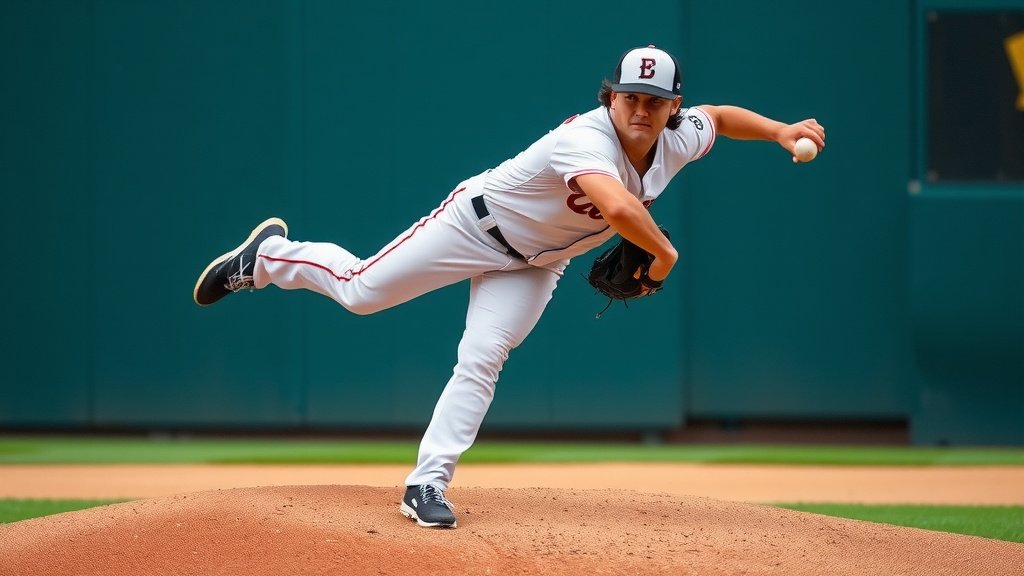
You might be surprised to learn that a pitching machine doesn’t just spit out fastballs. We found that the secret lies in the spin. When a human pitcher throws a curveball, they snap their wrist to create topspin. This spin causes the ball to dive as it approaches the plate.
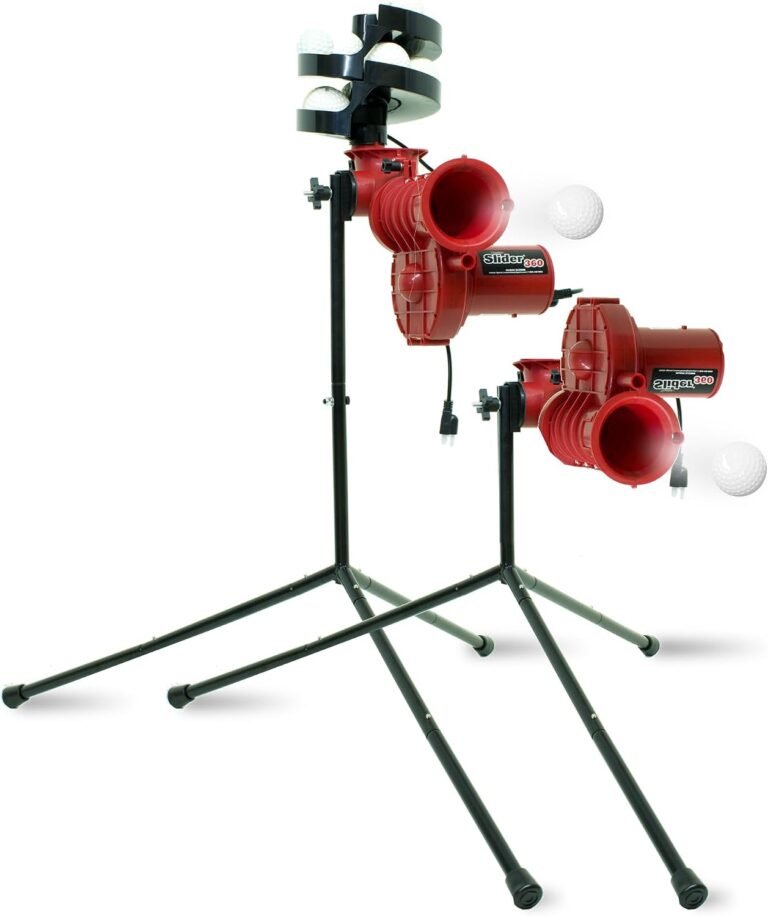
A pitching machine does the same thing, just with motors. Instead of a wrist snap, it uses spinning rubber wheels to grip the ball. By angling these wheels differently, the machine imparts the exact same kind of spin. That spin is what makes the ball curve and drop.
Think of it like a football. If you throw a spiral with a tight spin, it stays true. If you put a weird angle on it, it wobbles. Pitching machines rely on that basic physics principle to fake out your bat.
The Role of Spin Dials and Wheel Angles
So, how do you actually tell this machine what to do? Most machines have a specific dial or knob labeled “spin” or “break.” We recommend looking for this before you buy. Turning that dial changes the angle of the wheels relative to the ball.
When the wheels are flat, you get a straight fastball. When one wheel sits higher and the other lower, you create an angled spin. That angle is what produces the curve. It is a simple mechanical adjustment, but it has a huge effect on the ball’s trajectory.
Types of Machines That Can Throw Curves
Now, not every machine on the market can pull this off. We found that the design of the machine dictates its pitch options. You have to look for specific wheel configurations if you want to practice breaking balls.
There are really two main types of machines that handle off-speed pitches well. We broke them down for you here so you can decide which fits your batting cage needs.
Single-Wheel Pitching Machines
These are the classic machines you often see in local batting cages. They use one large wheel to push the ball forward. The magic here happens with the angle of the entire machine.
You can tilt the machine’s head to the left or right. This changes the spin axis of the ball. While it won’t give you a massive 12-to-6 drop, it can produce a sharp slider or a sweeping curve. It takes a little time to get the angle just right, but it works.
Three-Wheel Pitching Machines
If you are serious about facing different pitches, we found that three-wheel machines are the way to go. These are the top-tier options. They have three separate wheels that spin at different speeds.
By changing the speed of each wheel, you control the spin precisely. You can throw a curveball, a slider, or even a screwball with a simple turn of a dial. These machines are more expensive, but they offer the most realistic movement for your batting practice.
Adjusting Speed and Location for a Realistic Curveball
Here is where most players get confused. They set the machine to “curve” and expect it to look like a major league pitch. That is rarely the case right out of the gate. You need to tweak a few settings.
First, you have to consider speed. A curveball is a slower pitch than a fastball. We recommend dropping the machine’s speed by 10 to 15 mph from your normal fastball setting. If you don’t, the ball might not have enough time to break before reaching you.
Dialing in the Break Point
The “break point” is where the ball starts to dive. In a real game, this happens right as the ball gets close to the plate. With a machine, you control this by adjusting the spin speed relative to the forward speed.
If the spin is too high, the ball might break too early. This makes it seem like a knuckleball falling off a table. If the spin is too low, you are just throwing a straight fastball with a sidearm motion. You have to play with these dials to find the sweet spot.
Finding the Right Location
Even with the spin dialed in, the location can be tricky. We found that most machines tend to bounce or slip slightly when the ball grabs the wheel at an angle. This often causes the pitch to miss high in the zone.
Set the machine’s height lower than you think you need it. The spin will actually cause the ball to rise slightly out of the release, then dive back down into the hitting zone. This creates that frustrating “hitting against a lefty” feel that makes curveballs so tough.
Comparing Machine Settings vs. Real-Life Pitch Speeds
To help you visualize the difference, we put together a quick comparison. This shows how you might set your machine to simulate a realistic game situation. Remember, these are starting points, not perfect rules.
| Pitch Type | Displayed Speed | Real Perceived Speed | Spin Setting |
|---|---|---|---|
| Fastball | 70 mph | 70 mph | Low Spin |
| Curveball | 60 mph | 68 mph | High Spin |
| Slider | 65 mph | 68 mph | Medium-Low Spin |
Notice the perceived speed on the curveball. Because it spins more, it travels slower but your eyes get fooled. Many experts say this speed difference is what messes with a hitter’s timing. The machine helps you train your eyes to wait that extra split second.
Practical Tips for Practicing Against a Machine Curve
Just throwing a curveball setting on the machine isn’t enough. You have to practice with a purpose. We have found that a few simple drills can make your batting practice much more productive.
If you just step in and swing, you will probably miss a lot. That is okay at first. The goal is to train your brain to recognize the spin early. Here is what we recommend focusing on in the cage.
Focus on Ball Exit Velocity and Contact
When you face a pitcher, you don’t think about mechanics. You just react. Try doing the same with the machine. Instead of trying to “aim” your swing, focus on keeping your hands inside the ball. A curveball moves down and in or down and away, so a compact swing is key.
We saw a huge improvement in contact rate when hitters stopped trying to pull the curveball. This is a great way to work on hitting to the opposite field. It forces you to stay back and let the ball get deep in the zone.
Key Checks for Your Batting Practice Session
Before you head to the batting cage, run through this quick checklist. It will save you time and frustration. We use this same list when we set up our own practice sessions.
- Start with a fastball to get your timing locked in.
- Lower the speed by 10 mph before switching to a curve.
- Set the spin dial to a medium-high setting first.
- Adjust the machine height slightly lower than normal.
- Mix up fastballs and curveballs randomly to test yourself.
- Watch the first pitch all the way to the plate without swinging.
Following this routine helps you build muscle memory. You will start to pick up on the spin patterns quicker. That split-second recognition is often the difference between a groundout and a line drive.
Why Practice With a Machine Curve Is Worth It
Some players say that a machine curve is “unfair” because it is often sharper than a real one. We actually see that as a benefit. If you can hit a machine’s sharp curveball, a live pitcher’s curveball will look like a beach ball.
The consistency is the biggest advantage. A machine never gets tired. It throws the exact same pitch over and over again. This allows you to work on your weakness without the pressure of a live at-bat, which we think is the perfect low-stress training tool.
Conclusion
You can absolutely train against curveballs with the right pitching machine. The key is understanding that the spin dials and wheel angles mimic a human wrist snap. Whether you choose a single-wheel model for a sweeping slider or a three-wheel machine for maximum break, the setup time is worth it.
Remember the golden rules: drop your speed by 10 mph and start with medium-high spin. This creates a realistic pitch that trains your eye to read spin earlier. We think the best next step is to grab a bucket of balls and start experimenting. Dial in your settings, watch the first few pitches, and then start swinging.
Frequently Asked Questions
Are pitching machine curveballs harder to hit than real ones?
Yes, sometimes they can be. Machines throw a tighter spin, which creates a sharper, later break than most human pitchers. We found that practicing against this extreme movement makes real game curves seem slower and easier to track.
Can you throw a knuckleball with a pitching machine?
No, standard pitching machines cannot throw a true knuckleball. A knuckleball needs zero spin, which is very hard for rubber wheels to produce. You will mostly see fastballs, curves, sliders, and sinkers from these machines.
Do I need a three-wheel machine to throw a curveball?
No, you do not. Single-wheel machines can throw a curve by tilting the entire wheel head to an angle. However, a three-wheel machine gives you more control over the break direction and consistency, which we think is better for serious hitters.
What speed should I set my pitching machine for a curveball?
We recommend setting the machine about 10 to 15 mph slower than your typical fastball setting. A real curveball is thrown slower than a fastball. This speed gap is what disrupts your timing and forces you to wait on the pitch.
Why does the curveball from my machine hit the dirt?
This usually means your spin setting is too high for your throwing speed. The ball is breaking too early and diving before it reaches the plate. Try lowering the spin dial or increasing the forward speed slightly to balance the trajectory.