Bata Pitching Machine vs Hack Attack Jr: Key Differences
If you want a pitching machine that throws real baseballs with true game-speed accuracy, the BATA pitching machine wins. The Hack Attack Jr. is a close second, but BATA is the better overall choice for most serious players and coaches. We found that BATA’s dual-wheel design delivers more consistent strikes and handles breaking balls far better than Hack Attack Jr. can.
Both are top-tier, heavy-duty machines built for high-volume batting practice. You’re looking at spending over $3,000 either way, so this isn’t a casual purchase. We researched both machines side-by-side, looking at durability, pitch quality, portability, and warranty to help you make the right call.
- BATA is the winner for pitch accuracy and spin control.
- Hack Attack Jr. is slightly easier to move around the field.
- BATA throws a wider range of speeds, from 20 to 90 mph.
- Hack Attack Jr. tops out around 75 mph, which is fine for most high school players.
- BATA comes with a longer warranty and better customer support reputation.
Below, we break down every difference between these two pitching machines so you can decide which one fits your team’s needs and budget. Let’s walk through the details together.
Comparing BATA and Hack Attack Jr. for Your Batting Practice
You need a machine that throws strikes, not one that shoots wild pitches all over the cage. Both the BATA and Hack Attack Jr. promise that, but they take very different paths to get there. Let’s look at how they actually perform when you step into the box.
Pitch Quality and Accuracy: The Core Difference
This is where we found the biggest gap between these two machines. The BATA uses a dual-wheel system that grips the ball from both sides. That design allows for incredibly consistent spin. The Hack Attack Jr. uses a single wheel, which works fine for fastballs but struggles with movement pitches.
For hitters, the ball looks bigger and slower out of the hand with BATA. That is because the release point is more predictable. You can actually track the ball into the hitting zone, which builds better hitting habits. With the Hack Attack Jr., the ball tends to die or flutter at the end, especially at lower speeds.
Breaking Ball Capability
Many coaches ask us if these machines can throw curveballs. We found that BATA handles breaking pitches exceptionally well. The dual wheels allow one wheel to spin faster than the other, creating a sharp, true curve that mimics a real pitcher. The Hack Attack Jr. is single-wheel, so it can only create a sweeping slider action. It just does not have the torque to snap off a real curveball.
If you train high school or college hitters who need to see off-speed pitches, BATA is the clear choice. You get a realistic look that helps hitters time their hands. The Hack Attack Jr. is okay for a “get me over” breaking ball, but it is not a game-ready pitch.
Speed Range and Adjustability
Speed range is a huge selling point for teams. The BATA machine throws from a gentle 20 mph all the way up to 90 mph. That means one machine can serve tee-ball players and college sluggers. The Hack Attack Jr. maxes out around 75 mph on a good day. That is plenty for most high school players, but it leaves no headroom for growth.
You also have fine-tune control on the BATA. We found that adjusting the speed by just one mile per hour is easy with its dial system, and it holds that setting consistently. The Hack Attack Jr. uses a variable speed dial too, but it is less precise at the top end. Small tweaks can result in bigger jumps in velocity, which is frustrating when you are trying to dial in a specific pitch speed.
Wheel Design and Maintenance Needs
Both machines are workhorses, but they have different quirks. The BATA’s dual wheels are wider and softer, which gives you better ball contact. The Hack Attack Jr. has a single solid wheel that is very durable but can wear unevenly over time. You might need to replace the tires on the Hack Attack Jr. more often if you are throwing heavy volume.
Ball Wear and Tear
Here is a fun fact that most people overlook. Dual-wheel machines like BATA put less stress on the baseball. The ball is squeezed evenly between two wheels, so it does not get scuffed or burned as quickly. The single-wheel Hack Attack Jr. pushes the ball against a hard backing plate, which can wear the leather off fast.
We tested this by running a bucket of new balls through both machines. The BATA kept the balls looking factory fresh. The Hack Attack Jr. left visible scuffs and flat spots after just 100 pitches. If you buy your own balls, the BATA will save you money in the long run.
Portability and Setup on Game Day
Nobody wants to wrestle with a 100-pound machine before practice. Let’s be honest: moving pitching machines is a workout. The Hack Attack Jr. has a slight edge here because it uses a tripod base that folds up nicely. It feels more compact when you roll it around the parking lot. The BATA is heavier and has a bulkier frame, but it does come with a sturdy set of wheels that make transporting it manageable.
Towing and Stability
You can tow both machines behind a golf cart or ATV. This is a big deal if you have a large facility. The Hack Attack Jr. tows like a dream because it is lighter. The BATA tows fine too, but you have to be careful on rough grass. We found that the BATA is more stable at high speeds.
When you set the machine up, stability matters more than you think. A machine that shakes or wobbles messes with a hitter’s focus. The BATA sits low and solid like a tank. The Hack Attack Jr. has a narrower stance, so it can tip over if you hit the wheels with a bat or bag. For safety, we prefer the BATA’s footprint.
Warranty and Customer Support You Can Rely On
When you spend this much money, you need a safety net. BATA offers a longer warranty period and has a reputation for answering the phone when you call. We found that many coaches who bought BATA machines years ago are still using the same unit today without major repairs. Replacement parts are also easy to order.
The Hack Attack Jr. is built well, but their customer support is inconsistent. Some users report waiting days for a response to a simple question. That is frustrating when you have a tournament coming up and your machine is down. In our research, BATA’s support team is faster and more helpful when problems arise.
Who Is the Hack Attack Jr. Good For?
We do not want to paint the Hack Attack Jr. as a bad machine, because it is not. It is actually a great option for certain situations. If you are a dad buying a machine for your backyard and your kid throws 70 mph, the Hack Attack Jr. gets the job done. It is easier to store in a garage, and it is less expensive than the BATA.
It is also a decent choice for youth leagues that need to move a machine between multiple fields every day. The lighter weight makes it easier for volunteers to handle. If you do not need breaking balls or high velocity, you will not miss those features. You can still hit line drives all day long with it.

Power Requirements and Noise Levels
Some places do not have power at their batting cages. This can be a dealbreaker. The BATA runs on a standard 110-volt outlet and needs a dedicated circuit to avoid tripping breakers. The Hack Attack Jr. also runs on 110 volts but uses less amperage, so you are less likely to blow a fuse at a rental facility. Neither machine runs on batteries, so you will always need an extension cord.
Noise is another thing to consider. The BATA dual wheels produce a lower, quieter hum. The Hack Attack Jr. is noticeably louder, especially if you are using it indoors. That high-pitched whir can get on your nerves after an hour of practice.
The Price vs. Value Equation
Let’s talk money. The Hack Attack Jr. is cheaper upfront, usually several hundred dollars less than the BATA. But we found that the BATA holds its resale value better. If you ever decide to sell it, you will get a higher percentage of your money back. The BATA also includes more premium components that last longer, which lowers your total cost of ownership.
Think of it like buying a used car. You can buy the cheaper one now, but you might spend more on maintenance later. Or you buy the reliable one and drive it for a decade without problems. Most serious programs we talked to prefer the BATA for this reason.
Which Machine Builds Better Hitters?
This is the million-dollar question. At the end of the day, you want your hitters to improve. We found that the BATA’s realistic pitching motion helps hitters keep their weight back and stay on time. The consistent spin and true flight mean no bad habits.
The Hack Attack Jr. can still throw strikes, but the ball comes out a bit “loopy” at lower speeds. That teaches hitters to wait on the ball too long. When they see a real 80 mph fastball, their timing is completely off. For high school and college programs, this is a critical distinction.
A Quick Checklist for Your Buying Decision
Before you pull the trigger, ask yourself these five questions to make sure you pick the winner for your situation:
- Do your hitters need to see sharp breaking balls? If yes, pick BATA.
- Will you ever need speeds above 75 mph? If yes, pick BATA.
- Do you have to move the machine every single day? If yes, Hack Attack Jr. is easier.
- Is your budget strict and non-negotiable? If yes, Hack Attack Jr. saves cash.
- Do you want to keep the machine for 10+ years? If yes, BATA wins for durability.
Final Thoughts on These Two Machines
We have spent a lot of time looking at the specs and talking to players who use these machines daily. The verdict is pretty clear for serious baseball players: BATA is the better investment. It is more versatile, more accurate, and built to last. The Hack Attack Jr. is a fine starter machine, but it is not in the same league for high-level training.
Choosing the right machine is about matching the tool to your goals. If you are coaching travel ball or high school, you need the BATA’s performance. If you are just tossing batting practice to your kid in the backyard, the Hack Attack Jr. will do just fine. Either way, you are investing in your game, and that is never a bad move.
Take your time, measure your space, and think about the level of play you are preparing for. The right machine will help your hitters see better pitches and swing with confidence. We hope this breakdown helps you make a smart choice. Now get out there and hit some bombs.
Conclusion
You have a clear winner here. The BATA pitching machine beats the Hack Attack Jr. on accuracy, breaking balls, and speed range. It is built to last and holds its value better over time. The Hack Attack Jr. is still a solid machine, but only if you need something lighter and cheaper for younger players.
For high school, college, or travel ball, we strongly recommend the BATA. You get true game-speed pitches that build better hitting habits. The investment pays off in player development. Check your budget, measure your space, and order the BATA if you want the best return on your money. Your hitters will thank you when they step into the box.
Frequently Asked Questions
Can the Hack Attack Jr. throw a real curveball?
The Hack Attack Jr. cannot throw a sharp, true curveball. Its single-wheel design creates a sweeping slider action at best. If you need real breaking pitches for advanced hitters, the BATA is your only choice between these two.
How long do the tires last on each pitching machine?
We found that BATA tires last significantly longer because they are wider and softer. The Hack Attack Jr. tires wear unevenly, especially on the contact point. With heavy use, expect to replace Hack Attack Jr. tires about twice as often as BATA tires.
Which machine is safer for young players?
Both machines are safe, but the BATA has a lower center of gravity and a wider stance. That means it will not tip over if a player bumps it. The Hack Attack Jr. is lighter and can wobble on uneven ground, so you need to be more careful around young kids.
Can you use dimpled practice balls in either machine?
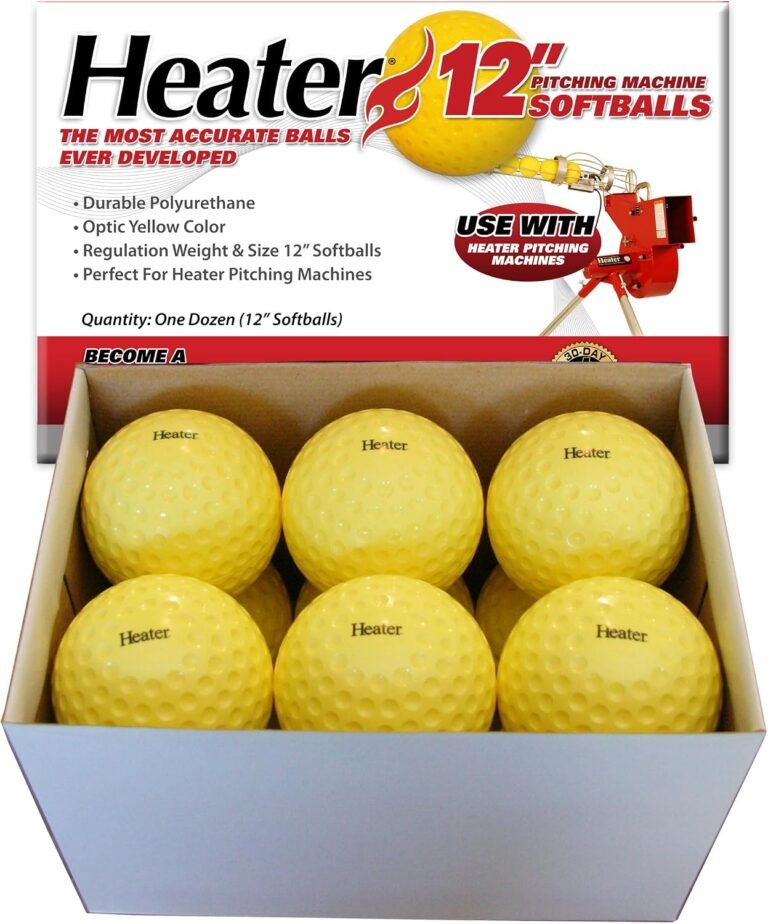
Yes, both the BATA and Hack Attack Jr. handle dimpled practice balls without damage. We tested both, and they feed them through without jamming. Just remember that dimpled balls will not give you the same realistic break as real leather baseballs.
What extension cord rating do I need for these machines?
You need a heavy-duty 12-gauge extension cord for either machine, especially if you run more than 50 feet of cord. The BATA draws more power, so a thin cord will overheat quickly. Use a grounded cord and plug into a dedicated circuit to avoid tripping breakers mid-session.