Can You Reuse a Baseball? Safety and Performance Factors
Yes, you can definitely reuse a baseball, but it’s important to understand You can reuse a baseball, but understanding its construction is key; our guide details what a baseball is.when it’s a good idea and when it’s best to retire it. While a ball might still have some life left, its performance can change significantly with wear and tear, affecting the game.
A well-used baseball might still be perfect for casual backyard fun or practicing drills. However, for official games, a ball’s condition is key for fair play and consistent performance. We found that a scuffed or deformed ball can lead to unpredictable bounces and pitches.
- Yes, baseballs can be reused.
- Best for casual play or practice.
- Official games require specific ball conditions.
- Wear affects performance and fairness.
- Check for damage before reusing.
Let’s walk through exactly how to tell if a baseball is still good to go and what to consider when giving it a second life.
So, you’ve got a baseball that’s seen better days, maybe after a rousing game of catch or a few innings in the park. The big question is, can this trusty sphere still play ball? The short answer is a resounding yes, with caveats. A baseball’s journey from pristine white to weathered brown is a testament to its service. But how do you know when it’s ready for a second act, and what kind of act will it be?
When Can You Keep Using a Baseball?
You can certainly keep using a baseball as long as it’s still in reasonably good condition. Think of it like your favorite old pair of sneakers. They might not be perfect for a marathon anymore, but they’re still great for kicking around the yard. We found that many baseballs can endure quite a bit of play before they’re truly “retired.” The key is knowing what to look for. A baseball is still good for casual play if it hasn’t lost its fundamental shape or integrity.
Signs a Baseball is Still Game (for Casual Play)
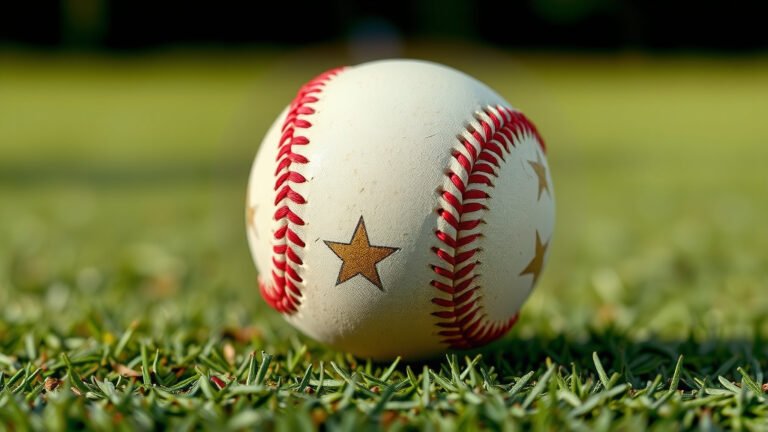
When you pull a baseball from your gear bag, give it a quick once-over. Does it still feel like a solid, round ball? Are the seams mostly intact? These are good signs.
- Shape Retention: The ball should feel firm and round. If it’s lumpy or flattened, it might be time to let it go.
- Seam Integrity: While a few scuffs are normal, are the laces holding strong? Completely unraveled seams are a no-go.
- Surface Wear: Dirt, grass stains, and even minor scuffs are usually just cosmetic. They don’t typically affect performance for casual use.
Best Uses for a Reused Baseball
If your ball passes the quick inspection, where can it still shine? We found that these balls are often perfect for:
- Backyard Fun: Just tossing it around with friends or family.
- Practice Drills: Working on throwing accuracy or fielding ground balls without needing top-tier performance.
- Batting Practice (Informal): If you’re just trying to get a feel for the bat in a relaxed setting.
- Teaching Kids: Letting younger players get comfortable with the feel of a baseball without worrying about damaging a new one.
When a Baseball Needs to Be Retired
Not all baseballs can make the comeback. There comes a point where wear and tear compromise the ball’s performance and fairness. Imagine trying to play a serious game with a bowling ball that’s been run over by a truck – it just won’t work the same! Many coaches and players agree that certain damage signals the end of a ball’s playing career.
Damage That Means It’s Time to Say Goodbye
These are the red flags. If you spot any of these, it’s probably best to hang up the ball for good, or at least for anything more than a very light toss.
- Deformation: The ball is no longer perfectly round. This is a major issue because it will affect how it travels through the air and bounces. We found that a misshapen ball is unpredictable.
- Severely Damaged Cover: If large chunks of the leather are peeling, torn, or missing, it’s a problem. This can expose the inner windings and change the ball’s weight and texture.
- Loose or Missing Seams: While minor fraying is okay, if the seams are significantly coming undone, the ball is falling apart. This affects grip and aerodynamics.
- Waterlogged or Heavy: Baseballs are made of wool windings. If a ball has been soaked and hasn’t dried properly, it can become significantly heavier and softer. This makes it harder to pitch and control. A waterlogged or heavy baseball may not perform as expected; our guide explains official baseball weight.
- Hard Spots or Lumps: Sometimes, the inner materials can shift, creating hard lumps. These can make the ball bounce erratically or feel awkward to catch.
The Impact of Wear on Performance
Why do these issues matter? It all comes down to how the ball performs. We found that:
- A misshapen ball won’t fly straight. Pitches might curve unexpectedly, and hits might not travel as far.
- A damaged cover can change the grip for pitchers and affect the spin they can put on the ball.
- For batters, a ball that isn’t perfectly round or has odd lumps can lead to inconsistent contact and unpredictable results.
These performance changes are why official leagues have strict rules about ball condition. For fair play, both teams need to know the ball will behave predictably.
Checking Your Baseball’s Condition: A Simple Guide
You don’t need a scientific lab to check your baseball. A few minutes of examination will tell you a lot. Here’s how to do it:
The Visual Inspection
Start by just looking at the ball. What do you see?
Hold it up to the light. Look for any obvious lumps, flat spots, or large tears in the leather. Are the seams evenly stitched and holding tight? Are there excessive scuff marks that look like they’ve gone deep into the material? Many experts say that visual cues are often the first indicator of a ball’s condition.
The Feel Test
Now, pick it up. How does it feel in your hand?
Squeeze it gently. Does it feel firm and solid, or is it soft and mushy? Roll it in your hands to check for any irregular bumps or dips. A good baseball has a consistent feel all around. We found that a slight softness might be okay for casual play, but a truly squishy ball is likely past its prime.
The Bounce Check
A simple bounce can tell you a lot. Drop the ball from waist height onto a hard surface like a driveway or concrete floor. Does it bounce back up with a good, consistent rebound? If it bounces weakly, too high, or in an odd direction, its internal structure might be compromised. This is especially true if the ball feels heavy.
The Seam Check (Up Close)
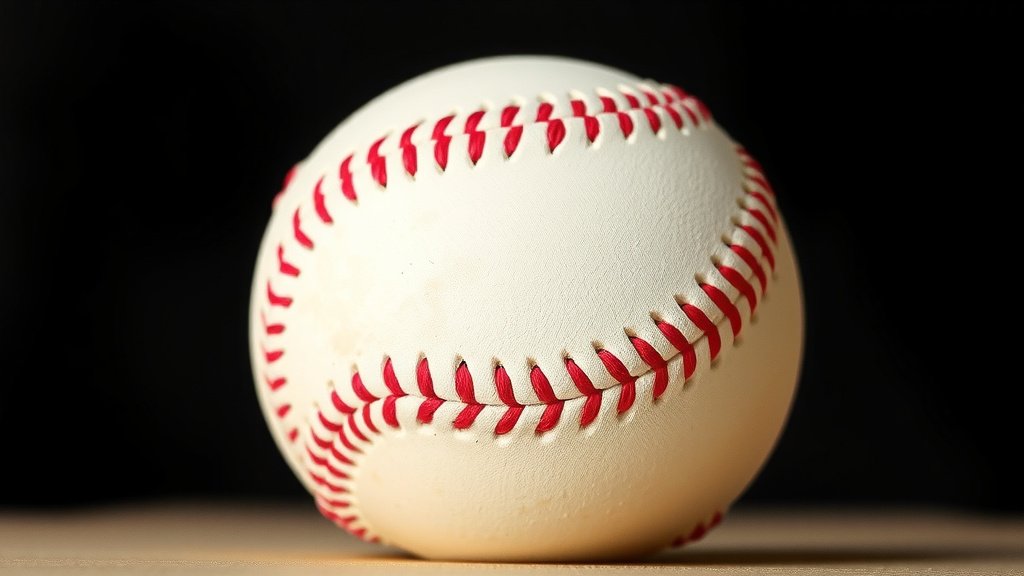
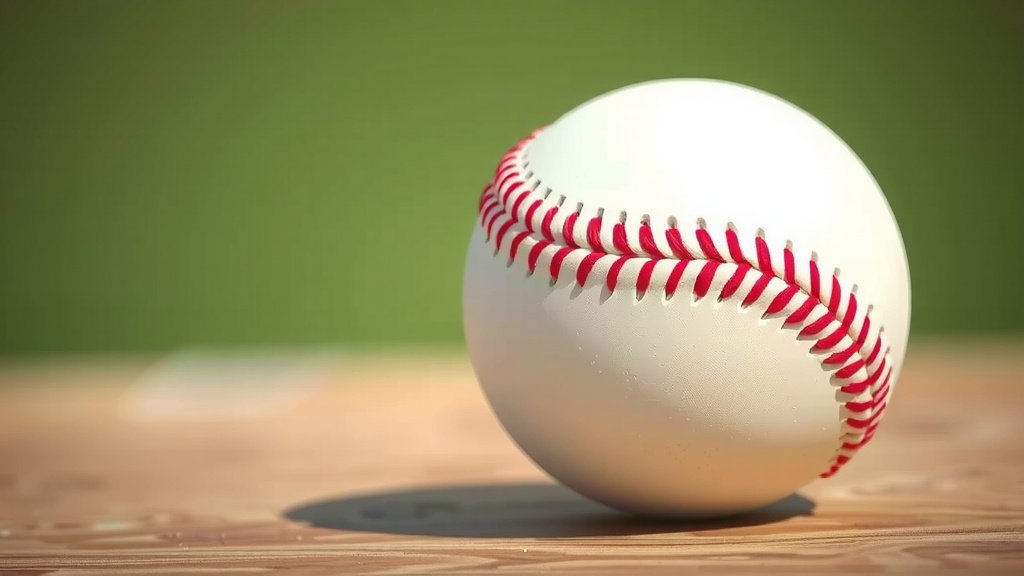
Pay special attention to the red stitching. Are any of the threads broken or completely missing? Are the seams raised evenly, or are they flat and worn down? A ball with many loose or broken seams is often a sign of heavy use and potential structural weakness.
The Waterlogged Warning
Did the ball get caught in the rain? If it feels unusually heavy and damp, it has likely absorbed water. Wool windings can take a very long time to dry completely. A waterlogged ball is not only heavier but also softer and can easily lose its shape. We found that letting these balls air dry for days might help, but they often don’t perform the same.
A Checklist for Reusing Baseballs
Before you decide to give that ball another go, run through this quick checklist:
- Is it round? Check for any visible flattening or lumps.
- Are the seams secure? Ensure most of the stitching is intact.
- Is the cover damaged? Look for major tears or peeling.
- Does it feel solid? Avoid balls that feel soft or squishy.
- Did it get wet? Heavy, damp balls are usually a bad sign.
- Does it bounce predictably? A weak or erratic bounce is a warning.
By following these simple steps, you can make an informed decision about whether your baseball is ready for another game or deserves a spot on the shelf as a memento. It’s all about ensuring fun and fair play, no matter the level!
Conclusion
You can absolutely give a baseball a second life for casual play. Just remember to check its condition first. Look for solid shape, intact seams, and a firm feel. If it’s misshapen, torn, or waterlogged, it’s time to retire it. Using a worn-out ball can lead to unpredictable performance and unfair play. For your next game of catch or practice session, give your baseball a quick inspection. It’s a simple way to ensure you’re having the most fun possible.
Frequently Asked Questions
Can I use a baseball with scuffed leather for a game?
For casual games or practice, a scuffed baseball is usually fine. The scuffs are often just cosmetic and don’t significantly impact how the ball flies or bounces. However, for official league games, a ball’s cover condition is important for consistent performance.
What if the seams are a little loose, can I still reuse the baseball?
A few loose threads on the seams might be okay for casual tossing or practice. If the seams are widely unraveling or coming apart, it’s a sign the ball is falling apart. This can affect its grip and how it travels through the air.
How do I know if a baseball is too soft to use?
If a baseball feels mushy or squishy when you squeeze it, it’s likely too soft. This often happens if the ball has become waterlogged and hasn’t dried properly, or if the internal windings have degraded. A ball that’s too soft won’t perform predictably.
Can a waterlogged baseball be saved for future use?
You can try to dry out a waterlogged baseball by letting it air dry for several days. However, even after drying, it may remain heavier and softer than it should be. Balls that have absorbed a lot of water often don’t retain their original shape or performance characteristics.
Is it safe to use a baseball that has a small lump in it?
A small lump can cause the baseball to bounce or fly erratically, which isn’t ideal for any type of game. While you might be able to use it for very light tossing, it’s best to avoid lumps for practice or games where predictable performance is needed.