Baseball vs Softball: Key Differences Explained
The main difference between baseball and softball comes down to the ball size and the pitching style. Softball uses a larger ball and a distinct underhand pitching motion, while baseball uses a smaller ball and overhand pitching. It’s a common question, and these are the core distinctions that set the two sports apart!
While both games involve hitting a ball and running bases, the equipment and rules create unique playing experiences. For instance, softball fields are generally smaller than baseball fields. This difference impacts how players approach hitting and fielding.
- Softball uses a larger ball and underhand pitching.
- Baseball uses a smaller ball and overhand pitching.
- Field sizes differ significantly between the two sports.
- The pace and strategy can feel quite different.
Let’s dive deeper and break down all the key differences you’ll notice between baseball and softball.
You’ve seen them on TV, maybe played them as a kid, or perhaps you’re just curious about the big screen action. Baseball and softball. They look so similar, yet they feel so different when you step onto the field. You might be wondering, “What exactly sets these two sports apart?” Well, you’re in the right place!
Key Differences Between Baseball and Softball
The simplest way to think about the differences is to focus on the ball and how it’s thrown. It’s a fundamental shift that changes everything else.
The Ball: Bigger in Softball, Smaller in Baseball
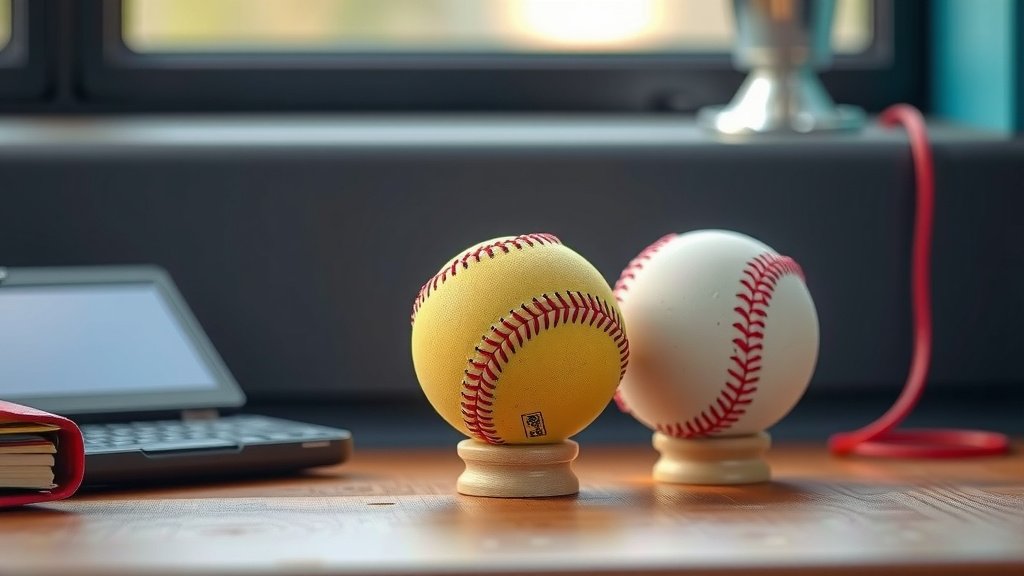
This is the most obvious distinction you’ll notice right away. Softball uses a larger ball. It typically measures between 11 and 12 inches in circumference. Baseball bats a smaller ball, usually around 9 inches in circumference.
This size difference isn’t just for looks. It affects how the ball travels through the air. A larger ball is heavier and doesn’t travel as fast as a smaller baseball. This means batters have a bit less time to react.
Pitching Styles: A Fundamental Contrast
Here’s where the sports really diverge. In softball, pitchers use an underhand motion. They must swing their arm in a windmill-like motion below their shoulder. This is a strict rule, and illegal pitches can lead to penalties.
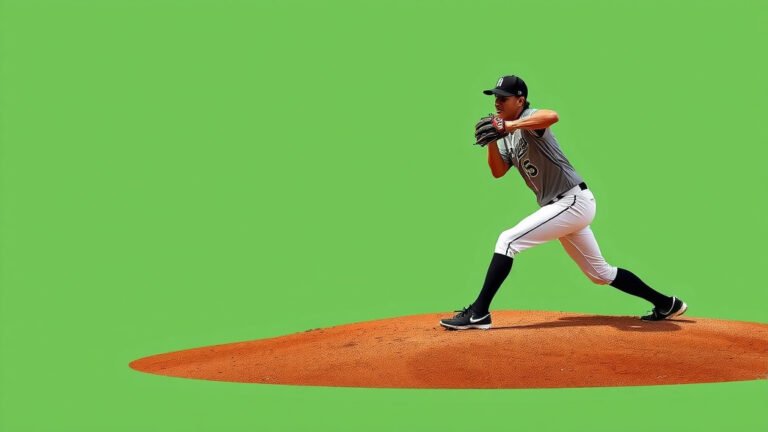
Baseball pitchers, on the other hand, use an overhand throwing motion. They bring their arm above their shoulder to deliver the pitch. This allows for a wider variety of pitches and higher velocity. Many experts say this difference is what truly defines the unique feel of each sport.
The Field of Play: A Matter of Scale
You’ve probably seen baseball fields with their vast outfields. Softball fields are generally smaller. The distance between bases is shorter. The outfield fences are closer to home plate.
For example, a professional baseball infield typically has 90 feet between bases. A fastpitch softball infield usually has only 60 feet between bases. This impacts the game’s strategy. Players can cover more ground faster in softball.
The pitcher’s mound also differs. In baseball, pitchers stand on a raised mound. Softball pitchers, however, pitch from a flat, circular area called the pitcher’s plate. This subtle difference changes the angle of the pitch to the batter.
Batting and Equipment Differences
Because of the different ball sizes and pitching styles, the bats and batting approaches vary. Softball bats are often made of different materials and can be slightly larger in diameter. However, they must meet specific regulations. We found that bat regulations can be quite detailed for both sports.
The hitting strategy also adjusts. Since softball pitches are often slower but can have a lot of spin, batters need quick reflexes. They focus on timing and making solid contact. Baseball batters, facing faster pitches, often emphasize power and driving the ball.
Game Duration and Pace
Softball games are typically divided into seven innings. Baseball games have nine innings. This means baseball games generally last longer. The pace of play can also feel different.
Softball’s shorter game and smaller field can lead to quicker action. There are often fewer “dead ball” moments. Baseball’s longer structure allows for more strategic shifts and build-up of tension. Many observers note that the game can feel more “marathon” like.
A Deeper Dive into Gameplay Nuances
Beyond the big stuff, there are smaller, but still important, ways these games play out differently.
The Strike Zone and Umpiring
The strike zone, the area over home plate where a pitch is considered a strike, is shaped differently. Because of the underhand pitch in softball, the strike zone is generally shorter and wider. It’s often described as being from the batter’s armpits to the knees.
In baseball, the strike zone is typically from the middle of the batter’s chest to the top of their knees. Umpires in both sports have a tough job! We found that consistency in calling balls and strikes is always a hot topic for fans. In baseball, the strike zone is typically from the middle of the chest to the top of the knees. Umpires in both sports have a tough job!
Base Running and Stealing
Base stealing is a thrilling part of both games. However, it’s approached differently. In baseball, runners can lead off from a base as far as they dare before the pitch. This allows for more aggressive stealing attempts.
Softball has a key restriction: runners cannot lead off their bases until the pitcher releases the ball. This rule changes how base runners time their jumps. It makes stealing a bit more about anticipating the pitch and reacting instantly.
Common Terms You’ll Hear
You might hear some unique lingo in each sport. For example, in softball, you’ll often hear the term “DP” for a double play. In baseball, you might hear about a “force out” more frequently.
Here’s a quick rundown of some terms and their general context:
- Home Run: A hit that allows the batter to circle all the bases and score a run.
- Strikeout: When a batter accumulates three strikes.
- Walk (or Base on Balls): When a pitcher throws four pitches outside the strike zone.
- Fly Ball: A ball hit high into the air.
- Ground Ball: A ball hit low along the ground.
Which Sport Is Right For You?
Both baseball and softball offer fantastic athletic competition and a great way to enjoy the outdoors. Your preference might depend on what you’re looking for in a sport.
If you enjoy a game with a slightly faster, more compact feel, and a unique pitching style, softball might be your jam. Many recreational leagues favor softball for its accessibility.
If you’re drawn to the epic scale of a nine-inning game, the strategic nuances of leading off bases, and the high velocity of overhand pitching, baseball could be more your speed. Research from organizations like the NCAA suggests both sports have dedicated followings and rich histories.
Quick Checklist: Baseball vs. Softball
Here’s a handy list to remember the core differences:
- Softball ball is larger; Baseball ball is smaller.
- Softball uses underhand pitching; Baseball uses overhand pitching.
- Softball fields are generally smaller; Baseball fields are larger.
- Softball has 7 innings; Baseball has 9 innings.
- Softball runners cannot lead off until the pitch is released.
- Baseball runners can lead off anytime.
Understanding these distinctions really helps you appreciate the unique appeal of each sport. Whether you’re a player, a fan, or just curious, now you’ve got a clearer picture!
Conclusion
You’ve now got a solid grasp of what makes baseball and softball distinct games. You know that the larger ball and underhand pitch define softball, while baseball sticks with a smaller ball and overhand delivery. Remember the differences in field size, innings, and base-running rules too! These elements create unique strategies and a different feel for each sport.
Next time you watch a game or consider playing, you’ll appreciate these details even more. Why not head out and catch a local game, or even try a friendly pitch and hit yourself? Experiencing it firsthand is the best way to truly feel the differences!
Frequently Asked Questions
Are softball bats different from baseball bats?
Yes, while they look similar, softball bats often have a larger barrel diameter to accommodate the bigger ball. Regulations ensure fair play in both sports, so checking specific league rules is always a good idea.
Why can’t softball runners lead off bases like in baseball?
This rule helps balance the game with the underhand pitching style. Since softball pitchers release the ball from below their shoulder, allowing runners to lead off might give them too much of an advantage. It makes for a different kind of base-running strategy.
Is a softball strike zone really different from a baseball strike zone?
It is! Because of the underhand pitch, the strike zone in softball is generally considered shorter and wider, typically from the batter’s armpits to their knees. A baseball strike zone is usually from the middle of the chest to the top of the knees.
Which sport is generally faster-paced?
Many people find softball to have a slightly faster pace. With fewer innings and often a more compact field, action can feel more immediate. Baseball’s nine-inning structure can allow for more strategic build-up over a longer game.
Are there other ways to tell baseball and softball apart visually besides the ball?
Absolutely! Look at the field: baseball fields are usually much larger with deeper outfield fences. You’ll also notice the pitcher stands on a raised mound in baseball, while softball pitchers use a flat pitcher’s plate.