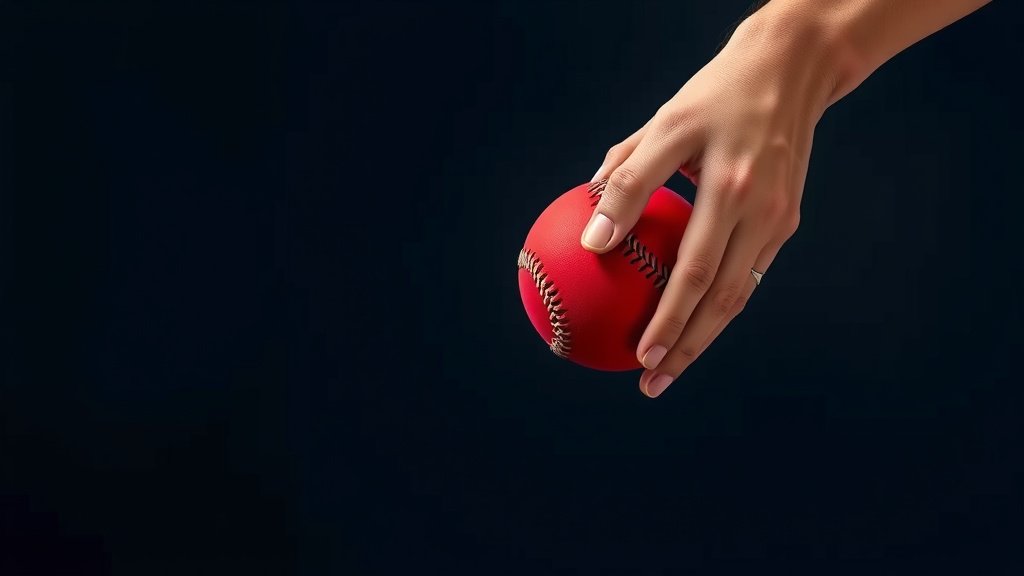
Master the Curveball Grip: Perfect Your Pitch
The best way to grip a curveball involves forming a specific finger position to create spin. You’ll want to place your middle finger across the seams, with your index finger resting close by, creating a tight grip. This allows for the necessary wrist snap to make the ball break.
Getting the right grip is key to mastering this tricky pitch. It’s not just about holding the ball; it’s about how you apply pressure and position your fingers. Many pitchers find that a little adjustment makes a huge difference in pitch movement and control. Let’s get that curveball breaking.
- Grip with your middle finger across the seams.
- Keep your index finger close to your middle finger.
- Create a tight grip for good spin.
- Practice makes the spin perfect.
Ready to throw a curve that drops jaws? Let’s walk through exactly how to grip your curveball step by step.
Achieving That Perfect Curveball Grip
Getting a curveball to break the right way starts with your fingers. You need a specific grip to make the ball spin effectively. This spin is what causes the pitch to curve. We’re going to break down exactly how to hold that ball so it dances.
The Foundation: Where to Start
Before we get into the nitty-gritty, let’s set the scene. Imagine you’re holding a baseball. Your goal is to create a grip that feels comfortable but also allows for maximum control over the spin. It’s not about squeezing the life out of the ball; it’s about precision placement.
Finding Your Seam Sweet Spot
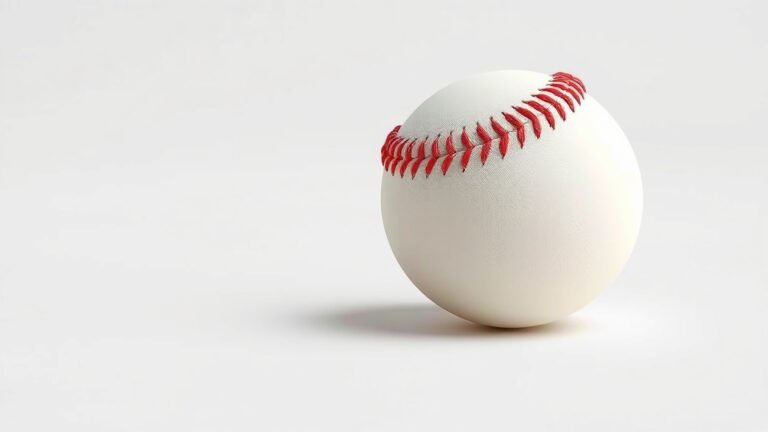
The seams are your best friend here. You want to position your fingers so they can “grip” the seams in a particular way. Think of them as handles for your spin. Many pitchers find that a slightly off-center grip is more effective than trying to grip it dead center.
Finger Placement: The Core of the Curve
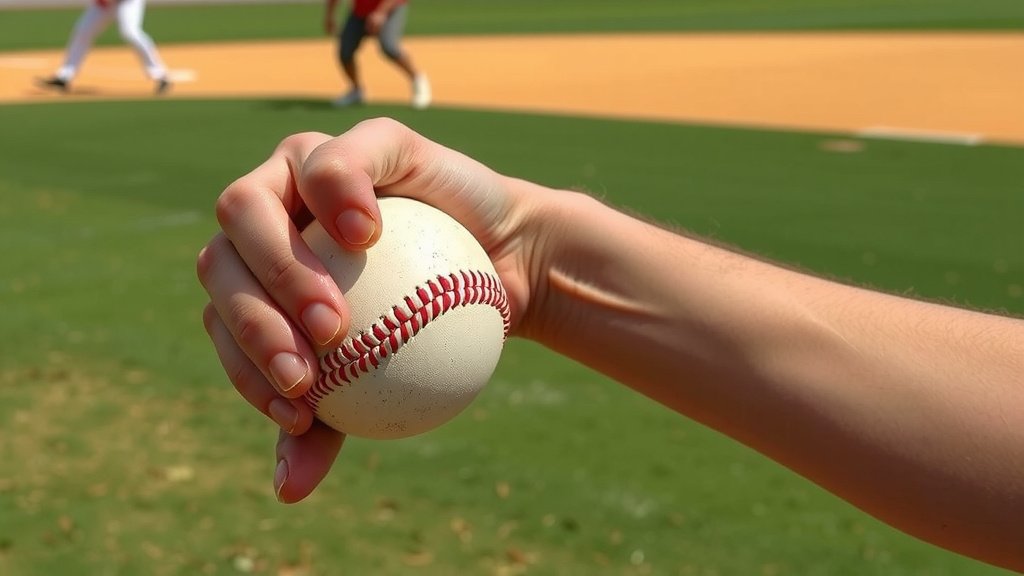
Here’s where the magic happens. Your middle finger is the primary driver of the curveball’s spin. You’ll want to lay this finger across the horseshoe of the seams, or even slightly to the side of it. The key is that your finger pad, not your fingertip, is making contact. This allows you to pull down on the ball effectively. Many pitching coaches stress this point (National Baseball Academy).
Now, what about your index finger? It plays a supporting role. You’ll place your index finger right alongside your middle finger, usually touching it. It doesn’t apply as much pressure, but it helps keep your grip stable and consistent. It’s like a wingman for your middle finger, ensuring the spin is clean.
Your thumb’s job is mostly for support. It should rest on the opposite side of the ball, underneath. You don’t want to grip tightly with your thumb. A loose thumb prevents you from accidentally “pushing” the ball, which can kill the spin and result in a straight fastball instead of a breaking curveball.
Grip Pressure: Finding the Sweet Spot
How hard should you hold the ball? This is a common question, and the answer is: firm, but not tight. Think of holding a bird. You want to hold it securely enough that it can’t fly away, but not so tightly that you crush it. Too much pressure can tense up your arm and wrist, hindering your ability to snap the ball through.
The “Four-Seam” vs. “Two-Seam” Curveball Grip
You’ve probably heard of different types of curveballs. The grip can vary slightly depending on which seam orientation you prefer. For a classic curveball, many pitchers use a grip that’s more aligned with the “two-seam” position, where your middle finger runs roughly parallel to two seams. This can sometimes generate more spin.
However, some pitchers find success with a “four-seam” grip, where the middle finger crosses the seams perpendicular to the stitching. The primary goal remains the same: to get that downward and sideways spin.
| Grip Type | Middle Finger Placement | Index Finger Role | Thumb Role |
|---|---|---|---|
| Classic Curve | Across the seams (two-seam alignment) | Resting alongside middle finger | Loose support underneath |
| Modified Curve | Slightly off-center, can vary | Close to middle finger, adds stability | Minimal pressure, for balance |
The table above shows some general guidelines, but remember, personal comfort plays a huge role. What feels best for one pitcher might not work for another.
The Role of the Wrist and Arm Action
It’s not just about the grip; it’s about what you do with it. Your grip sets you up for the proper release. As you throw, you’ll want to snap your wrist downward and outward, almost like you’re flicking a towel. This wrist snap is what imparts the sharp, breaking spin on the ball.
Think of it as a whip. Your arm provides the power, but the wrist snap is the tip of the whip that adds the extra snap and spin. Many experienced pitchers emphasize that a good wrist snap is more important than a super tight grip (Baseball America).
You also need to maintain a natural arm slot. Avoid “tipping” your pitch by changing your arm angle unnaturally. The curveball should come out looking much like your fastball, at least initially. This deception is a big part of why the curveball is so effective.
Practice and Refinement: Making it Stick
Mastering the curveball grip takes time and repetition. Don’t expect to get it perfect on your first try. You’ll need to spend time in the bullpen, experimenting with different finger positions and pressures.
Finding What Works for YOU
Every pitcher’s hand is different. Some have larger hands, others have longer fingers. You’ll need to experiment to find the grip that feels most natural and allows you to generate the best spin for your unique hand size and shape. Don’t be afraid to adjust your middle finger’s position slightly on the seams. You might find a sweet spot that’s a bit more to the left or right.
Pay attention to the feel of the ball as it leaves your hand. Does it feel like it’s spinning cleanly? Or is it wobbling? A clean spin means a better break. If it feels off, adjust your grip pressure or finger placement.
Drills to Improve Your Grip and Spin
Here are a few things you can do to improve:
- Pinch and Roll Drill: Hold the ball with your curveball grip and just practice rolling it over your fingers, focusing on the feel of the seams.
- Slow-Motion Tosses: Throw the ball at half or quarter speed, concentrating solely on the spin. Can you see a tight, consistent spin?
- Grip Changes: Deliberately try slight variations in your middle finger placement. Does one feel better? Does it produce more spin?
- Consistency Checks: After a few good pitches, try to replicate that exact grip and release.
- Listen to Your Body: If a grip causes discomfort or pain, it’s not the right one.
Remember, the goal isn’t just to throw a curveball, but to throw a controlled, effective curveball. This starts with that solid grip.
Conclusion
You’ve learned the essentials of gripping a curveball, from finger placement on the seams to finding that perfect pressure. Remember, a firm but not tight grip is key to generating the spin needed for that sharp break. It’s about precise positioning of your middle finger and a stable, supportive index finger and thumb.
Don’t forget that the grip is just one piece of the puzzle; your wrist snap and arm action work together to make the pitch effective. Keep practicing those drills we discussed. Consistent repetition and a willingness to experiment with what feels right for your hand will help you master this pitch. Now, get out there and throw that curveball!
Frequently Asked Questions
What’s the most common mistake pitchers make when gripping a curveball?
A frequent error is gripping the ball too tightly. This can tense up your arm and wrist, preventing the necessary snap and clean spin. Another mistake is not placing the middle finger correctly on or across the seams, which is essential for generating break.
Does hand size really affect how I should grip a curveball?
Yes, hand size and finger length can influence your grip. Pitchers with smaller hands might need to adjust their finger placement slightly or find a grip that feels more secure. Experimentation is key to finding what works best for your unique hand anatomy.
Should I use my fingernails or the pads of my fingers for the grip?
You should primarily use the pads of your middle finger, not your fingertips or fingernails. This allows for better control over the spin and reduces the risk of ‘pushing’ the ball, which kills the breaking action.
How can I tell if my curveball grip is producing good spin?
Pay attention to the feel as the ball leaves your hand. A good grip should result in a clean, tight spin that you can often feel and hear. If the ball wobbles or feels ‘mushy,’ your grip or release likely needs adjustment. Slow-motion tosses can help you visualize the spin.
Is there a difference in grip for a curveball thrown with different arm slots?
While the fundamental grip remains similar, a pitcher might make minor adjustments based on their natural arm slot. The goal is always to achieve the same type of spin. Maintaining a consistent arm slot and deception is more important than a drastically different grip for each slot.