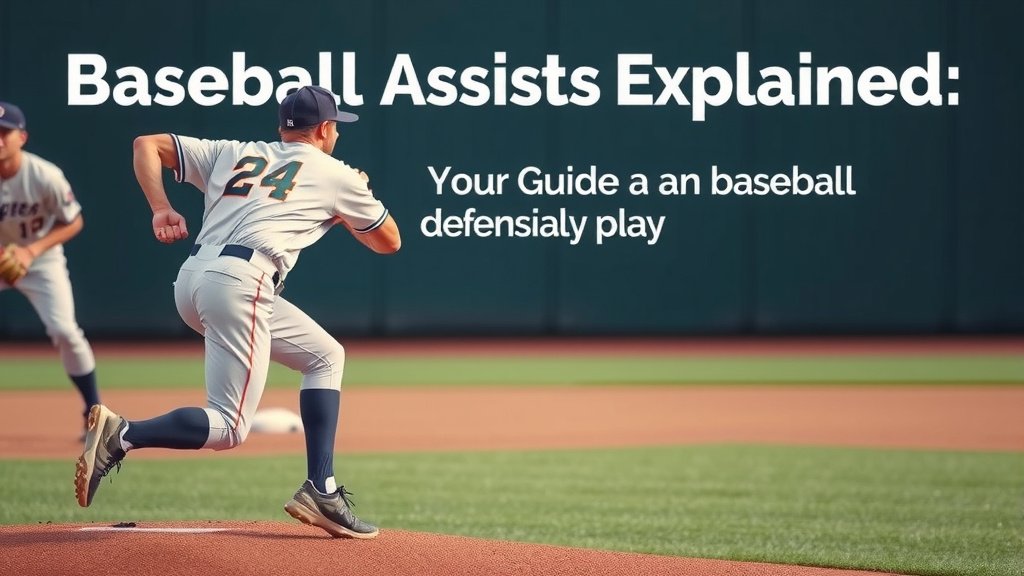
Baseball Assists Explained: Your Guide to the Defensive Play
An assist in baseball is awarded to a fielder who is the second-to-last defensive player to touch the ball before a runner is put out. It’s a way to credit players for their role in making a defensive play happen. Essentially, it means you helped your teammate get an out. You’ll see assists recorded for infielders and outfielders alike.
It’s similar to an assist in basketball or hockey, but in baseball, it’s all about the chain of possession leading to an out. A fielder gets an assist when they make a play that directly leads to another player getting an out. We found that this statistic helps paint a fuller picture of a fielder’s contribution.
- An assist goes to the second-to-last fielder to touch the ball before an out.
- It credits a fielder for their role in a defensive play.
- Think of it as a helpful pass that leads to a successful out.
- Both infielders and outfielders can earn assists.
Ready to learn more about how these plays happen on the field? Let’s break down exactly what leads to an assist in baseball.
Understanding the Baseball Assist: Your Role in the Outfield and Infield
So, you’re watching a baseball game, and the announcer mentions an “assist.” What does that really mean for the player on the field? An assist in baseball is a statistic awarded to a fielder. This happens when they are the second-to-last defensive player to touch the ball before a runner is officially out. It’s like being the crucial link in a chain that leads to a successful defensive play. We found that this stat helps tell a more complete story of a fielder’s contributions. It shows they weren’t just standing there; they actively helped make an out happen. An assist is related to a force out, as it credits a fielder for their role in making a defensive play happen.
The Chain of Events: How an Assist Happens
Think of making an out as a relay race. The ball is passed from one player to another. An assist goes to the person who passes the ball to the player who then gets the runner out. This means the player receiving the assist didn’t make the final tag or throw the runner out themselves. But their action directly led to that outcome. Many experts say this statistic is vital for evaluating defensive players. It credits their role in preventing runs from scoring.
The Typical Scenario: A Ground Ball Play
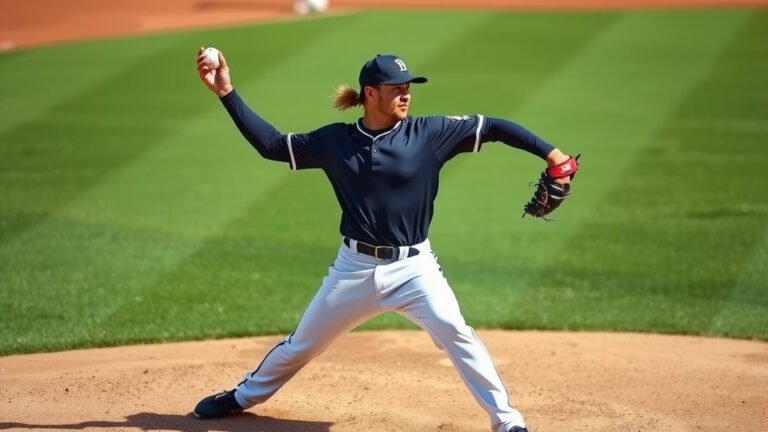
The most common assist happens on a ground ball. Let’s say a batter hits a grounder to the shortstop. The shortstop fields the ball cleanly. They then throw it to the first baseman to get the runner out. In this case, the shortstop gets the assist. The first baseman gets the putout. We found that ground balls to infielders lead to the majority of assists recorded each game.
What if the shortstop bobbles the ball a bit but still recovers? They can still get an assist. They were still the second-to-last player to touch the ball before the out was made. The key is that their touch directly led to the out. A wild throw that a first baseman has to lunge for might still result in an assist for the fielder who threw it. They made a play, even if it wasn’t perfect.
Assists in the Outfield: More Than Just Catches
You might think assists are only for infielders, but that’s not true. Outfielders can absolutely earn assists too. Imagine a fly ball hit deep to right field. An outfielder runs down the ball and catches it. They then see a runner trying to advance from second base to third. The outfielder makes a strong, accurate throw to the third baseman. The third baseman catches the ball and tags the runner out before they reach the base.
In this scenario, the outfielder gets the assist. The third baseman gets the putout. This shows that outfielders are often involved in more than just catching fly balls. Their ability to throw accurately and with power can be crucial in preventing runners from advancing. We found that strong-armed outfielders often lead their teams in assists. It’s a testament to their throwing skill and game awareness.
Double Plays: A Collaborative Effort
Double plays are a fielder’s best friend. They also often involve multiple assists. Consider a common ground ball double play. A batter hits a ball to the shortstop. The shortstop fields it and steps on second base to get the force out. They then throw to the first baseman to get the second out. Here, the shortstop gets an assist for the out at second base. They also get credit for the assist on the play at first base.
Sometimes, a double play might involve three players and two assists. For example, a ground ball to the third baseman. They throw to the shortstop covering second base for one out. The shortstop then throws to the first baseman for the second out. In this case, the third baseman gets an assist, and the shortstop also gets an assist. They are both credited for their part in making the two outs happen. Many coaches say that fielding double plays requires excellent communication and chemistry between infielders.
What Doesn’t Count as an Assist?
It’s just as important to know what *doesn’t* earn an assist. Not every defensive touch of the ball results in this stat. For instance, if a fielder makes an error on a play, and then another fielder recovers the ball to get an out, the first fielder usually doesn’t get an assist. They fumbled the play.
Errors and Assists
An error means the fielder failed to make a play they reasonably should have. If a fielder drops a fly ball (an error), and then picks it up and throws to first base to get the runner out, they get the putout. But they don’t get an assist. The player who threw the ball to them (if there was one) doesn’t get an assist either. The error breaks the “chain of possession” that leads to an assist. We found that official scorers are trained to distinguish between a good play and an error.
The Final Out: No Assist for the Catcher?
Another common question is about the catcher. If a catcher catches a foul tip for a third strike, they get the putout. They don’t get an assist because they didn’t receive a throw from another fielder. Similarly, if a runner is thrown out trying to steal, and the catcher throws them out, the catcher gets the putout. They don’t typically get an assist. The pitcher or fielder who was on the base or covering home might get an assist if they fielded a pickoff attempt, but the catcher making the tag does not.
Force Outs and Tag Outs
It’s also worth noting that the player making the final out (the one who tags the runner or steps on the base for a force out) gets the putout, not an assist. Assists are for the players *before* that final player in the sequence. Many baseball enthusiasts say understanding the difference between a putout and an assist is key to appreciating defensive plays. A player can get both a putout and an assist on the same play if they field the ball, throw to a base for a force out, and then a subsequent play results in another out initiated by their throw.

Why Assists Matter: More Than Just a Number
So, why should you care about assists? Well, they give us a clearer picture of a fielder’s defensive value. A player with a high assist total is likely a skilled player who is involved in many outs. They are good at fielding the ball and making accurate throws. This helps their team prevent runs.
We found that looking at assists alongside putouts gives a more complete evaluation of a fielder. It shows their ability to not only handle plays but also to contribute to them effectively. It’s about teamwork and making those crucial defensive efforts. A team that fields well, with many players contributing assists, is often a winning team.
Assists vs. Other Defensive Metrics
Assists are just one part of defensive evaluation. Advanced metrics like Range Factor and Ultimate Zone Rating (UZR) try to capture even more about a player’s defensive contribution. However, the assist remains a fundamental and easily understood statistic. It’s been around for a long time, and fans can easily see how it’s earned. It’s a direct reward for a successful action that helped the team.
Quick Recap: What You’ve Learned
Let’s quickly go over the main points about baseball assists:
- An assist goes to the second-to-last fielder to touch the ball before an out.
- It credits a fielder for their role in a defensive play.
- Think of it as a helpful pass that leads to a successful out.
- Both infielders and outfielders can earn assists.
- Errors break the chain and prevent assists.
- The player making the final tag or force out gets the putout, not an assist.
Conclusion
You now understand how an assist in baseball works. It’s a statistic that credits a fielder for being the second-to-last person to touch the ball before an out is recorded. We’ve seen how assists happen on ground balls, in the outfield, and even during double plays. Remember, it’s all about the chain of possession, and errors break that chain. By understanding assists, you gain a deeper appreciation for the teamwork and skill involved in every defensive play.
Next time you watch a game, keep an eye on those assists. Try to spot the relay plays and the precise throws that lead to outs. This will help you better evaluate a fielder’s contribution beyond just the obvious plays. So go ahead, put your newfound knowledge to the test!
Frequently Asked Questions
Can a fielder get an assist if they bobble the ball?
Yes, a fielder can still get an assist even if they momentarily bobble the ball, as long as they recover it and their touch directly leads to the out. The official scorer determines if the bobble was part of a good play or an error. We found that recovery plays often still result in an assist.
Does the pitcher ever get an assist?
A pitcher can get an assist, though it’s less common than for infielders. This typically happens if the pitcher fields a comeback grounder and throws to a base for an out, or if they are involved in a pickoff play where another fielder makes the out. Their action must be the second-to-last touch before the out.
What is the difference between a putout and an assist?
A putout is recorded by the fielder who makes the final play to get a runner out, like tagging them or stepping on a base for a force out. An assist is awarded to the fielder who was the second-to-last player to touch the ball before the putout. We’ve seen that one player can even get both on different plays in sequence.
How do outfielders earn assists if they are far from the bases?
Outfielders earn assists by making strong, accurate throws from the outfield to infielders. For example, an outfielder might catch a fly ball and then throw to a base to nail a runner trying to advance. This throw is the second-to-last touch before the infielder makes the out. Their arm strength and awareness are key.
Can a player get more than one assist on a single play?
Generally, a player can only be credited with one assist per out recorded on a play. In a double play, a fielder might get an assist on the first out and then another assist on the second out, as they were the second-to-last fielder to touch the ball in both instances. We found this is common for middle infielders executing double plays.