
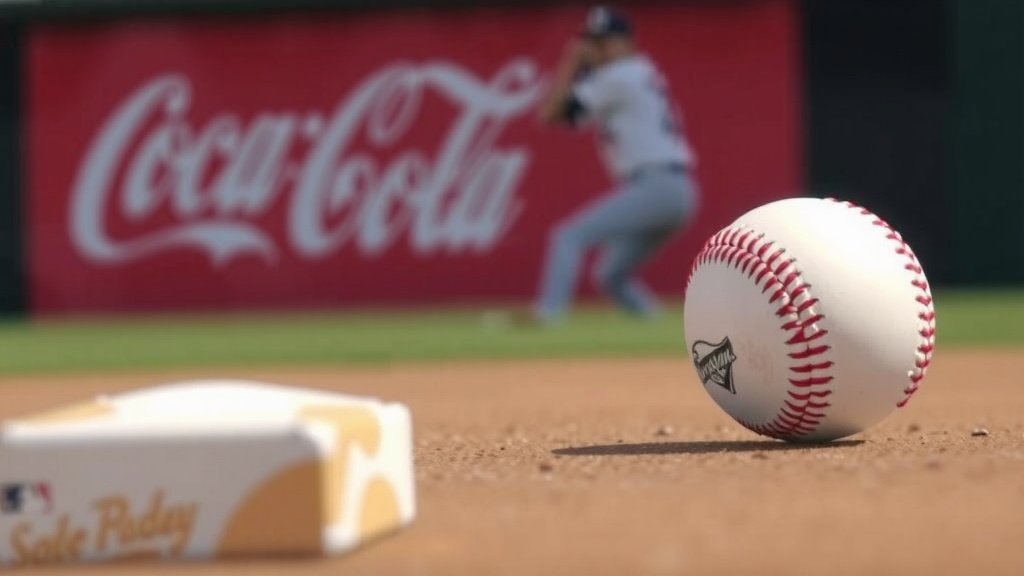
What is a Stolen Base in Baseball Explained
A stolen base in baseball happens when a runner safely advances to the next base while the pitcher is delivering the ball to the batter. It’s a **bold move** that requires speed, smarts, and perfect timing. Essentially, you’re stealing a base before the defense can stop you, often catching them off guard and giving your team a **strategic advantage**.
This exciting play is a core element of baseball strategy. It’s not just about pure speed; it also involves understanding the pitcher’s motion, the catcher’s arm strength, and the game situation. Successfully stealing a base can put your team in a better scoring position and **put pressure** on the opposing team.
- A stolen base is when a runner advances a base safely mid-pitch.
- It requires speed, timing, and strategic awareness.
- Stealing bases can put runners in scoring position.
- It adds an element of excitement and pressure to the game.
Ready to learn more about how runners pull off these daring steals and what makes a successful stolen base attempt? Let’s dive into the details.
“`htmlUnderstanding the Stolen Base Play
So, what exactly is a stolen base in baseball? It’s a moment of pure athleticism and strategy. A runner on base takes off for the next base while the pitcher is in the process of throwing the ball to home plate. If the runner makes it safely without being tagged out, it’s recorded as a stolen base for the runner and a successful offensive play.
Think of it like a chess move. You’re not just hoping for the best; you’re calculating risks and rewards. The goal is simple: advance your position on the bases. This can dramatically change the game. It puts you closer to scoring. It also puts pressure on the defense to make a perfect play.
The Runner’s Perspective: When and Why to Steal
When a runner decides to steal, they’re looking for specific opportunities. It’s not a random act of speed. Several factors come into play before a runner even considers breaking for the next base. You need to consider the pitcher, the catcher, and the game situation.
Reading the Pitcher
The pitcher’s delivery is key. Some pitchers have a predictable wind-up. Others have a quicker motion. Runners watch closely for cues. They might notice if a pitcher focuses too much on the batter. They might look for a pitcher who doesn’t throw over to the base often. This is called “holding runners on base.” A pitcher who holds runners on less gives the runner a better chance to go.
The Catcher’s Arm Strength
The catcher is the primary defender against a stolen base. A catcher with a strong arm and quick release can throw out runners easily. Runners pay attention to how fast the catcher gets the ball out of their glove. They also watch the catcher’s accuracy. If a catcher has a weaker arm, or is slow to react, the odds of a successful steal increase.
Game Situation Matters
You wouldn’t steal every time you get on base. The score and the inning play a big role. Stealing when you’re behind late in the game is more important. You need to get into scoring position. Stealing in a tied game with two outs might be riskier. Managers and players weigh these scenarios carefully. We found that successful stolen base attempts often occur when the defense is slightly less prepared.
The Mechanics of a Successful Steal
Pulling off a stolen base is an art. It requires more than just raw speed. It’s a combination of timing, explosive power, and smart base-running. Let’s break down what goes into it.
The “Leap” or “Jump”
Before the pitch, the runner gets into a ready stance. They are coiled like a spring. As the pitcher begins their motion, the runner explodes forward. This initial burst is called the “jump.” A good jump gets you halfway to the next base before the ball even reaches the plate. It’s all about anticipating the pitcher’s move.
Getting to the Base
Once you have your jump, it’s a full sprint. You’re running hard and low. The goal is to reach the base before the catcher’s throw arrives. Runners often slide into the base. This helps them avoid the tag and can also slow them down less than a traditional stop.
The Slide
There are different types of slides. The most common is the “hook slide,” where a runner slides headfirst and then hooks their foot around the base. Other runners use a “feet-first slide.” The slide is designed to make it harder for the fielder to apply the tag. It’s a critical part of securing the stolen base safely.
Factors Influencing Stolen Base Success
Several elements contribute to whether a stolen base attempt is successful or not. It’s a dynamic interplay between offense and defense. We found that even small advantages can make a big difference.
Pitcher’s Tendencies
Pitchers have different ways they deliver the ball. Some pitchers have a “quick pitch” where they can throw faster. Others have a longer wind-up. Runners study these tendencies. They look for pitchers who pause or have a distinct cadence in their delivery. This gives them a better window to steal. Many experts say that a pitcher’s pickoff move is also a major factor (Baseball Savant).
Catcher’s Abilities
A catcher’s arm strength is critical. Research shows that catchers with faster pop times (the time from receiving the pitch to the ball reaching the infielder) are more effective at preventing steals. Accuracy is just as important as speed. A strong, accurate throw makes it very difficult for the runner to be safe. We found that catchers who excel at blocking pitches can also deter stolen bases because runners are less likely to advance on wild pitches.
The Infield Defense
It’s not just the catcher. The infielder backing up the play also matters. If the shortstop or second baseman is playing shallow, they might be able to catch the throw from the catcher and tag the runner. If they are playing deep, it gives the runner more room to slide safely.
The Umpire’s Strike Zone
This might seem unusual, but it plays a role. A pitcher who is struggling with their control might be more focused on throwing strikes. They might throw over to the base less. This can create more stealing opportunities for the runner. Conversely, a pitcher who is getting a lot of called strikes might be less worried about letting the runner go.
The Type of Pitch
Fastballs are generally easier to steal on than off-speed pitches. A curveball or change-up takes longer to arrive at the plate. This gives the catcher more time. Runners are more likely to attempt a steal when they anticipate a fastball.

Stolen Bases and Game Strategy
Stolen bases are more than just exciting plays. They are a fundamental part of baseball strategy. They can shift momentum and create scoring chances.
Putting Runners in Scoring Position
The most obvious benefit is advancing runners. A runner on first base can steal second. Now, they are in scoring position for the next batter. This increases the team’s chances of scoring a run. A runner on second can steal third. This makes them even closer to scoring, often on any base hit.
Creating Pressure on the Defense
When a runner is on base and looking to steal, the defense has to be alert. The pitcher might throw over to the base. The catcher needs to be ready. This mental pressure can lead to mistakes. The defense might become distracted from the batter. This can lead to a walk or a hit for the batter.
The “Hit and Run” Play
A stolen base is often combined with another offensive strategy called the “hit and run.” In this play, the runner takes off for the next base, and the batter is instructed to swing at the pitch, regardless of where it is. If the batter makes contact, and the ball is hit on the ground, the runner is usually safe because they are already moving, and the infielder has to field the ball first. If the batter misses, the runner is likely out.
When is a Stolen Base NOT Recorded?
It’s important to know that not every advancement on the bases is a stolen base. If the runner advances because the pitcher threw a wild pitch, or the catcher dropped the ball, it’s not a stolen base. Those are considered advancements on errors or passed balls. A stolen base must be the runner’s action, not a defensive mistake. Advancing on a defensive mistake is not a stolen base, unlike a force out which has specific rules.
Risk vs. Reward: A Statistical Look
Stealing bases involves risk. Getting thrown out can kill a rally. Many teams use statistics to decide when to steal. Generally, a runner needs to be successful about 70% of the time to make it worthwhile from a pure statistical standpoint. However, the strategic advantages can sometimes outweigh the raw numbers.
Here’s a quick look at what you need to keep in mind:
- Know your pitcher’s tendencies.
- Assess the catcher’s arm strength.
- Consider the game situation (score, inning, outs).
- Practice your jump and sprint.
- Be ready to slide to avoid the tag.
- Don’t forget the “hit and run” strategy.
Conclusion
You’ve learned that a stolen base is more than just speed; it’s a calculated risk. It’s about reading the pitcher, knowing your catcher, and understanding the game situation. A successful steal puts your team in a better position and adds an exciting element to the game. It’s a play that requires intense focus and perfect execution from the runner. As you watch future games, pay close attention to these daring attempts and appreciate the strategy behind them. Next time you see a runner on base, try to predict if they’ll make a move!
Frequently Asked Questions
What’s the difference between a stolen base and advancing on an error?
A stolen base happens when you reach the next base safely solely due to your own speed and timing, without any help from a defensive mistake. Advancing on an error means you got to the next base because the defense made a mistake, like dropping a throw or fumbling the ball.
Can a runner steal third base?
Yes, a runner can definitely steal third base. It’s often a riskier play than stealing second base because it’s a longer throw for the catcher. Runners usually only attempt to steal third when the game situation makes it very advantageous for their team.
What is a “wild pitch” and how does it affect stolen bases?
A wild pitch is a pitch thrown so erratically that the catcher cannot handle it. If a runner advances to the next base because of a wild pitch, it’s not considered a stolen base; it’s an advancement on a wild pitch, as the runner didn’t achieve it through their own action alone.
How do managers decide when to attempt a stolen base?
Managers consider many factors, including the runner’s speed, the pitcher’s tendencies, the catcher’s arm strength, and the game’s score and inning. They often use statistical probabilities to decide if the risk is worth the potential reward for the team.
What’s the role of the umpire in a stolen base attempt?
While the umpire doesn’t directly participate in the play, their judgment of balls and strikes can indirectly influence stolen base attempts. If an umpire has a tight strike zone, pitchers might be more focused on throwing strikes and less inclined to hold runners on base, creating more opportunities to steal. A tight strike zone can indirectly influence stolen base attempts by affecting pitcher focus, as explained in our guide to strikes.