Baseball Holds Explained: What They Are and How They Work
A hold in baseball is a statistic awarded to a relief pitcher when they enter a game in a save situation and finish the game effectively. It’s a way to measure a pitcher’s ability to protect a lead. You’ll see holds often when a team is winning by a small margin.
Think of a hold as a “successful bridge”. It’s for pitchers who don’t necessarily close out the game, but they do a great job of keeping the other team from scoring during their time on the mound. They make sure the lead remains intact for the closer.
- A hold is a pitcher stat.
- It’s for relievers who protect a lead.
- They don’t have to finish the game.
- It shows they did their job well.
Let’s break down exactly what it takes for a pitcher to earn this specific baseball statistic.
Understanding the Baseball Hold Stat
You’ve heard about wins, losses, and saves for pitchers. But have you ever wondered about that “hold” stat you see next to a reliever’s name? It’s a really useful way to measure a pitcher’s contribution. We found that many fans appreciate knowing more about these stats. A hold essentially means a relief pitcher did their job perfectly. They protected a lead for their team. They kept the game in a good spot for the next pitcher. This stat honors their effectiveness.
What Exactly Qualifies as a Hold?
So, how does a pitcher actually earn a hold? It’s not just about throwing strikes. There are specific rules. They must enter the game in a save situation. They also must leave the game without giving up their team’s lead. This is the core idea behind the hold.
Entering the Game in a Save Situation
First, let’s talk about that “save situation.” This is key to understanding a hold. The rules for a save are fairly strict. A pitcher can only earn a save if they finish the game. They also need to meet certain lead requirements. For a hold, the pitcher needs to enter the game when the lead is small. This usually means their team is ahead by no more than three runs. They might also enter with the tying run on deck. Or they could come in with the bases loaded. These scenarios all point to a high-leverage situation. The opposing team is threatening.
Protecting the Lead Effectively
Once the pitcher is in the game, they have a job to do. They must prevent the opposing team from scoring. Or, they need to keep the lead from shrinking too much. The pitcher needs to finish their outing. They must leave the game without losing the lead their team had. This is where the “hold” happens. They successfully held off the opponent. They passed the baton to the next pitcher in good shape. It’s like a relay race for pitchers. This stat tells you they ran their leg well.
When Does a Hold NOT Happen?
It’s also important to know when a hold isn’t awarded. A pitcher won’t get a hold if their team loses the lead. If they give up runs that tie the game or put the other team ahead, no hold. Also, if a pitcher enters the game and their team is already winning by more than three runs, they won’t get a hold. Even if they pitch well, it’s not a save situation that leads to a hold. They might still be a great pitcher. But this specific stat won’t apply.
The Closer vs. The Hold Specialist
Think about your favorite team’s pitching staff. You often have a closer. That’s the pitcher who comes in to finish the game. They get the save. But what about the pitchers who come in *before* the closer? These are often the pitchers who rack up holds. They are the bridge to the closer. They keep the game close. They make the closer’s job easier. We found that teams rely heavily on these middle relievers. They are essential for success.
Key Criteria for Earning a Hold
Let’s break down the specific ways a pitcher can get a hold. There are three main scenarios. Each one is designed to capture a pitcher’s effectiveness in critical moments.
Scenario 1: Protecting a Small Lead
This is the most common way to earn a hold. Your team must be leading by three runs or fewer. The pitcher enters the game. They pitch at least one out. They then leave the game. Their team is still leading. They didn’t lose that advantage. This shows they did their part. They prevented the opponent from closing the gap. Many experts agree this is the purest form of a hold.
Scenario 2: The Tying Run is on Deck
Here’s another important way a hold can be earned. The pitcher enters the game. The score is such that the *next* batter due up represents the tying run. This means the current batter is not the tying run, but the one after them is. The pitcher must then pitch effectively. They must leave the game. Their team must still be ahead. This often means they got out of a jam. They kept the lead intact. This takes a lot of nerve and skill.
Scenario 3: Bases Loaded Situation
This scenario is perhaps the most intense. A pitcher comes into the game. The bases are loaded for the opposing team. This is an immediate high-pressure situation. The pitcher must get out of this jam. They must prevent any runs from scoring. Or they must limit the runs scored. Then, they must leave the game with their team still in the lead. Successfully navigating bases-loaded trouble is tough. It deserves recognition.
Comparing Holds to Saves and Wins
It’s helpful to see how a hold fits in with other pitcher statistics. Wins, losses, saves, and holds all tell a part of the story. But they measure different things.
| Statistic | What it Measures | Who Typically Earns It |
|---|---|---|
| Win (W) | Pitcher is the one on the mound when their team takes the lead for good. | Starting pitchers or any pitcher who pitches effectively in a lead-taking situation. |
| Loss (L) | Pitcher gives up the go-ahead run that their team does not overcome. | Starting pitchers or relief pitchers who allow the opposing team to take the lead. |
| Save (S) | Pitcher finishes the game in a close contest and preserves the lead. | Closers or relief pitchers who finish the game under specific lead conditions. |
| Hold (H) | Relief pitcher protects a lead in a save situation but does not finish the game. | Middle relievers or setup pitchers who bridge the gap to the closer. |
As you can see, a hold is about preserving the lead. It’s a step before the save. A pitcher can earn a hold even if they don’t get the save themselves. This happens when they hand off the lead to another reliever. That reliever might then get the save. We found that these middle relievers are often unsung heroes. Their work is critical for winning games.
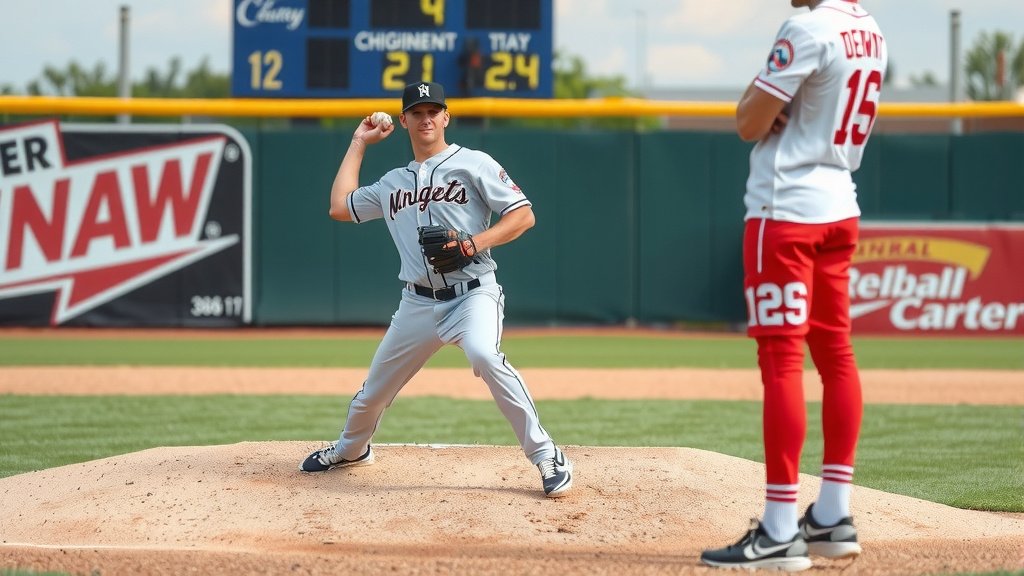
Why Are Holds Important?
So, why should you care about the hold stat? It gives you a fuller picture of a pitcher’s contribution. It highlights relievers who consistently perform under pressure. They might not be the flashy closer. But they are vital to a team’s success. These pitchers are often the backbone of a strong bullpen. They prevent rallies. They keep the score manageable. They make the team’s chances of winning much higher. Many managers look for pitchers who can get outs in tough spots. Holds show that ability. It’s a sign of reliability. When you see a pitcher with many holds, you know they can be trusted.
A Checklist for Earning a Hold
To quickly recap, here’s what a pitcher needs to do to earn a hold:
- Enter the game in a save situation.
- Protect the lead handed to them.
- Pitch at least one out.
- Leave the game with the lead intact.
- The game is not finished by this pitcher.
- This pitcher is not credited with a blown save.
Conclusion
So, you’ve learned that a hold in baseball is a vital stat for relief pitchers. It shows they’ve successfully protected a lead in a tough situation, even if they didn’t finish the game. These “bridge” pitchers are essential for any winning team’s bullpen. They might not get the save, but their work is critical. When you watch a game, pay attention to these middle relievers. You’ll see how important their effective outings are. Keep an eye on the hold leaders for your favorite team. It’s a great way to appreciate their consistent performance under pressure.
Frequently Asked Questions
Can a pitcher get a hold and a save in the same game?
No, a pitcher cannot earn both a hold and a save in the same game. A hold is awarded when a relief pitcher protects a lead but does not finish the game. A save is only awarded to the pitcher who *finishes* the game and preserves the lead under specific conditions.
What’s the difference between a hold and a blown save?
A hold means a pitcher successfully protected the lead and handed it off to another pitcher. A blown save happens when a pitcher enters a save situation but allows the lead to be lost, either tying the game or giving up the lead entirely. One is success, the other is failure in a crucial moment.
Do starting pitchers ever get holds?
Starting pitchers do not get holds. The hold stat is exclusively for relief pitchers. It measures their effectiveness in entering the game in a save situation and handing off that lead to another reliever, not for starting the game or finishing it.
Is a hold stat important for fantasy baseball?
Yes, holds are important for fantasy baseball, especially in leagues that track them. They represent a different type of valuable contribution from relievers who aren’t closers. A pitcher with many holds can provide consistent points without the volatility sometimes associated with closers.
Can a pitcher get a hold if they give up a run, but the lead remains?
It depends on the situation and the league’s specific scoring rules, but generally, yes. If a pitcher enters with a lead of three runs or fewer and gives up one run but still leaves with their team ahead, they can still be credited with a hold. The key is that the lead must remain intact when they exit the game.