Master Outfield Positioning: Essential Baseball Tips
Positioning your outfielders effectively is key to stopping hits and making outs. The right positioning depends on the batter’s tendencies and the game situation. You want to put them where the ball is most likely to go. This means thinking about what kind of hitter is up and how many outs there are.
Getting your outfielders in the right spots helps your whole defense. It takes practice and knowing your players. We found that even small adjustments can make a big difference. Good positioning also helps prevent extra-base hits and can even turn potential doubles into singles. It’s all about smart play and anticipating the ball.
- Know the batter: Are they a pull hitter or do they go the other way?
- Consider the situation: Runners on base? Number of outs?
- Adjust for the pitcher: Is the pitcher throwing a lot of fastballs or off-speed pitches?
- Communication is key: Talk to your infielders and other outfielders.
Let’s walk through exactly how to get your outfielders in the best possible spots for any situation.
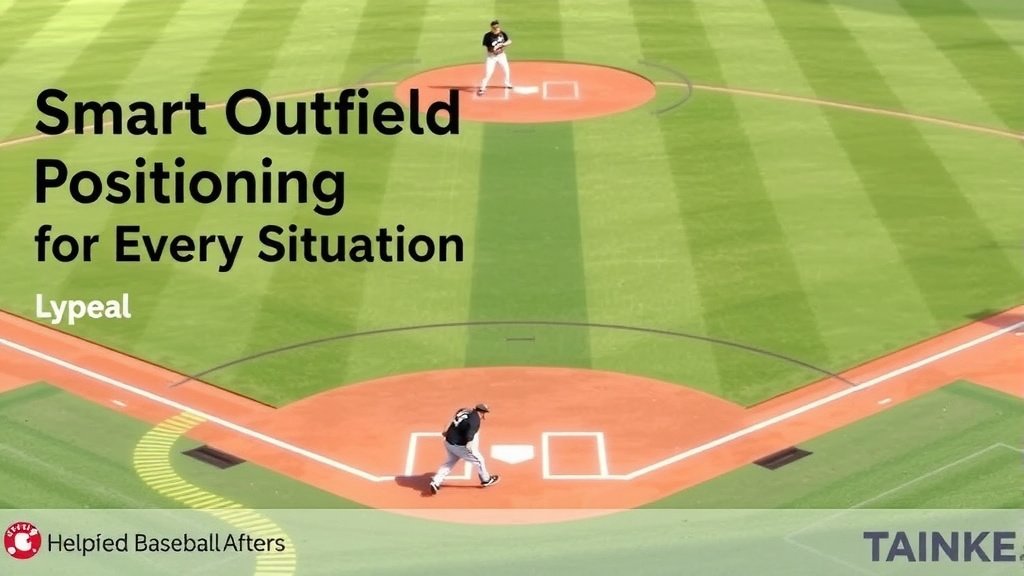
Smart Outfield Positioning for Every Situation
Getting your outfielders in the right spots is about more than just letting them roam. It’s a strategic move that can save runs and secure outs. You’re essentially setting up a defensive trap for the ball. We found that even a few steps can make a huge difference.
Understanding the Batter’s Tendencies
Every batter has a favorite spot to hit the ball. Do they tend to pull everything to left field? Or do they like to spray the ball to the opposite field? Learning this is your first step to smart positioning. You want to place your players where the ball is most likely to go based on the hitter.
The Pull Hitter
If you have a batter who consistently pulls the ball, you’ll want to adjust your outfield. Consider shifting your left fielder a bit deeper or more towards left-center. The right fielder might play a little closer. This is because pull hitters often aim for those gaps. You’re cutting off their favorite avenue of attack.
The Opposite Field Hitter
For batters who hit the ball to the opposite field, you’ll want to do the reverse. Your right fielder should be prepared to cover more ground. They might play a little deeper and more towards right-center. The left fielder can play a bit more in. You’re anticipating that drive the other way. We found this strategy can prevent many extra-base hits.
The “Goes Both Ways” Hitter
Some hitters are tough because they can go anywhere. Against these batters, a more balanced approach is often best. Play your outfielders in a standard alignment. Then, rely on their good instincts and range. Communication with the infielders is key here. They can help signal tendencies.
Game Situation Adjustments
The game situation changes everything for outfield positioning. You can’t play everyone the same way with runners on base. The number of outs also plays a big role. Think about what needs to happen to get out of the inning.
Runners on Base
With runners on base, preventing extra bases becomes more important. A single might be okay, but a double could score a run. Your outfielders will often play a little deeper. This is to cut off balls hit into the gaps. They become more like guards against extra bases. Many coaches say this is the most critical adjustment.
Fewer Than Two Outs
When there are fewer than two outs, the focus is on preventing runs. You might need to play a bit shallower. This is especially true if you want to try and throw a runner out at home. A shallow play can allow for a quicker throw. It’s a calculated risk, but often worth it. We found this can turn a potential sacrifice fly into an easy out at the plate.
Two Outs
With two outs, your goal is to make the out, period. You can afford to play a little more aggressively. Sometimes, this means playing slightly shallower to cut off singles. Other times, you might play deeper to prevent a gap hit that could allow a runner to advance multiple bases. It depends on the next batter. You want to avoid giving them extra opportunities.
Pitcher-Specific Adjustments
Your pitcher’s strengths and weaknesses should also influence positioning. Does your pitcher throw a lot of ground balls? Or are they more of an “in-the-air” pitcher?
Ground Ball Pitcher
If you have a pitcher who gets a lot of ground balls, your outfielders can play a bit more shallow. They become an extra layer of defense for grounders hit through the infield. This is especially true for balls hit to the outfield grass. They act as a backstop for those tricky grounders. We found this can cut down on bloop singles.
Strikeout/Fly Ball Pitcher
For pitchers who rely on strikeouts and fly balls, you might play deeper. This gives your outfielders more room to track down fly balls. It prevents those “just over the head” type hits. They can also provide better coverage for deep fly balls that might turn into doubles. Many experts suggest this alignment for power pitchers.
Communication is Your Best Friend
Outfield positioning isn’t a solo job. It’s a team effort. Your outfielders need to talk to each other. They also need to communicate with the infielders. This is how everyone stays on the same page. A quick word can prevent a miscommunication leading to a big hit. We observed that teams with strong communication often have fewer defensive lapses.
A Quick Checklist for Outfield Positioning
Here’s a simple checklist to help you remember the key points:
- Assess the batter’s tendencies.
- Consider the runners on base and outs.
- Adjust depth based on the pitcher’s style.
- Talk to your fellow outfielders constantly.
- Communicate with your infielders.
- Be ready to adjust on the fly.
Example Scenarios and Positioning
Let’s look at a couple of scenarios to make this clearer. Imagine a game with a power hitter up. They’ve been known to pull the ball hard. With no outs and no runners on, you might play your left fielder deeper and angled towards left-center. Your center fielder stays in a standard position. Your right fielder plays a bit closer, anticipating a potential pull. This is a calculated risk to cut off their power alley.
Now, consider a situation with a runner on second and one out. The batter is a contact hitter who likes to hit to the opposite field. You’d likely play your right fielder deeper and towards the right-field line. This is to prevent the ball from getting into the corner for a sure double. Your center fielder would shift slightly towards right-center, and your left fielder would play a more standard depth.
These are just examples, and flexibility is key. Research and found that the best defensive teams are those that can adapt quickly. They don’t just stick to one plan. They react to the game as it unfolds.
The Depth Chart: Playing Deeper vs. Shallower
The decision to play deeper or shallower is a constant strategic battle. Playing deeper gives your outfielders more time to react. It helps prevent balls hit over their heads. However, it can open up the “in-between” territory. This is the area just beyond the infielders but in front of the outfielders.
Playing shallower allows outfielders to attack balls hit on the run. It’s also essential for cutting off ground balls and making strong throws home. The downside is that deep fly balls can become more problematic. Many baseball analysts say the optimal depth is often a compromise.
We found that knowing your outfielders’ strengths is vital here. Do they have great range? Are they known for their strong arms? Use these attributes to your advantage when deciding on depth. An outfielder with a cannon arm might be able to play a bit shallower and still make a strong throw.
Putting It All Together: A Simple Table
Here’s a table summarizing some common adjustments. Remember, these are general guidelines, not strict rules.
| Situation | Batter Tendency | Outfielders’ General Positioning | Why? |
|---|---|---|---|
| No outs, runner on 1st | Pull Hitter | LF deeper, LC; CF standard; RF closer | Cut off pull power alley. |
| 1 out, runner on 2nd | Opposite Field Hitter | RF deeper, RL; CF RC; LF standard | Prevent corner gap hit. |
| 2 outs, no runners | Contact Hitter | All slightly shallower | Attack singles, allow quick throws. |
| Any situation | Power Hitter (any tendency) | All deeper | Prevent extra-base hits. |
| Ground ball pitcher | Any batter | All shallower | Cover more ground ball territory. |
This table gives you a quick reference. Always remember to adjust based on the specific player and game flow. We’ve seen that the best teams are the most adaptable.
Conclusion
You’ve learned that smart outfield positioning isn’t guesswork. It’s a strategic blend of understanding your batter, the game situation, and your pitcher. By adjusting your outfielders’ depth and angles, you can effectively cut off hits and prevent extra-base damage. We’ve seen how even small shifts can dramatically improve your defense. Now, put this knowledge into practice. Talk to your outfielders, communicate with your infielders, and watch your defensive game transform.
Frequently Asked Questions
How far should outfielders play in on a power hitter?
Against a power hitter, you generally want your outfielders playing deeper. This gives them more time to track down fly balls and prevents them from giving up easy doubles. Research has shown this can turn potential extra-base hits into outs.
Should outfielders play shallower with two outs?
With two outs, you can often afford to play a bit shallower. This allows your outfielders to attack balls hit on the run and make quicker throws to try and get outs. It’s about making the immediate out to end the inning.
What’s the best positioning for a ground ball pitcher?
When your pitcher gets a lot of ground balls, have your outfielders play shallower. They can then act as an extra layer of defense, cutting off grounders that get through the infield. This helps prevent bloop singles.
How do runners on base affect outfield positioning?
With runners on base, preventing extra-base hits becomes a top priority. You’ll likely play your outfielders a little deeper to cut off balls hit into the gaps. A single might be acceptable, but a double could score a run.
Is communication really that important for outfielders?
Absolutely. Communication is key for successful outfield positioning. Outfielders need to talk to each other about where they’re playing and any adjustments. This prevents miscommunications that can lead to big hits for the opponent.