
Mastering Third Base: Essential Tips for Players
Playing third base is about reacting quickly and throwing accurately. To play third base effectively, you need to develop strong infielding skills, including quick reflexes and a powerful, accurate arm. Mastering your footwork is just as important as your glove work to make all the plays.
Third base is often called the “hot corner” for a reason. It’s a demanding position requiring constant focus and readiness. Many players find it challenging, but with the right training and practice, you can become a reliable defender at the hot corner.
- Quick reflexes are key.
- Accurate throwing is essential.
- Good footwork helps make plays.
- Third base is a challenging but rewarding position.
Let’s walk through exactly how to master the art of playing third base, step by step.
“`htmlMastering the Hot Corner: Your Guide to Playing Third Base
Third base is often called the “hot corner” for a reason. It’s a demanding position that requires quick thinking and even quicker feet. Many players find it challenging, but with the right training and practice, you can become a reliable defender at this vital spot.
Getting Into the Right Stance
Your ready stance is your starting point for every play. You need to be balanced and prepared to move in any direction. Think of it like a coiled spring, ready to release at a moment’s notice.
The Athletic Position
Start with your feet shoulder-width apart. Keep a slight bend in your knees and your hips. Your weight should be forward on the balls of your feet. This helps you react quickly to ground balls and bunts. Keep your back straight and your glove out in front of you. This position allows for maximum range and quick first steps.
Hand Placement and Glove Work
Where do you put your hands? Usually, they are together in front of your body. Some players prefer one hand over the other, but the key is to keep them visible and ready. Your glove should be out, facing the batter. This makes it easier to see the ball come off the bat. Many coaches stress keeping your glove low. This helps you field ground balls cleanly.
Fielding Ground Balls: The Bread and Butter
Most balls hit to third base are ground balls. You need to be able to field them cleanly, no matter the speed or angle. Practice makes perfect here. You’ll get better with every rep.
Forehand Plays: Getting to Your Glove Side
When a ball is hit to your right (your glove side), you want to get your body behind it. Step with your left foot towards the ball. Your glove should be on the ground, forming a “wall.” As the ball enters your glove, bring your right foot forward. This gets you in a good throwing position. Remember to keep your eye on the ball all the way into your glove. This is fundamental to clean fielding.
Backhand Plays: Extending Your Reach
Backhand plays are tougher. They require you to stretch out. For a ball hit to your left, you’ll step with your right foot. Reach with your glove as far as you can. Try to get your body behind the ball. It’s easier if you can get your chest over it. This technique requires a lot of flexibility and practice. Don’t get discouraged if it feels awkward at first.
The Scoop: Low Hops and Slow Rollers
Sometimes the ball is hit softly or takes a weird hop. You need to be able to “scoop” it. This means getting your glove down low and using your bare hand to help secure the ball. Bend your knees even more than usual. Get your glove almost on the ground. The goal is to trap the ball. A good scoop prevents runners from advancing.
Handling Bunts: The Ultimate Test of Quickness
Bunts are a unique challenge for third basemen. You need to charge the ball aggressively and make a quick, accurate throw. Timing is everything on a bunt.
Reading the Bunt
As soon as the batter bunts, you need to react. Watch the ball off the bat. See where it’s going. Is it fair? Is it in foul territory? Is it rolling toward you or away? Your coach will likely have a system for how the infield plays bunts. Know your role.
Charging the Ball and Making the Play
Once you decide to field the bunt, sprint towards it. Get your body behind the ball. Use your glove to scoop it up. Transition quickly to your throwing hand. Sometimes, you’ll have to throw on the run. Practice this motion. A quick, clean grab and throw is vital.
The Throw: Accuracy is King
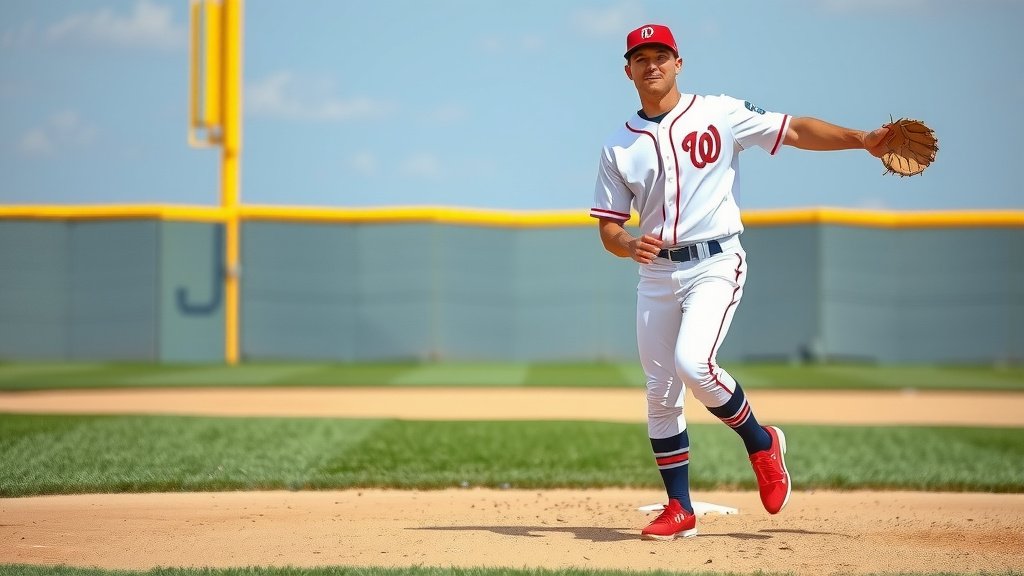
You might have the best glove in the world, but if you can’t throw accurately, it doesn’t matter much at third. Third base throws are often long and require a strong arm.
Footwork for Throws
Good footwork is crucial for powerful and accurate throws. After fielding the ball, you want to set your feet. A common technique is the “crow hop.” This involves a series of steps that generate momentum. It helps you put more power behind the ball. Ensure your throwing shoulder is aimed at your target. This helps with direction.
Targeting Your Throws
Know your target before you even field the ball. Are you throwing to first base? Second base? Home plate? Visualize the throw. Make sure you’re hitting your cut-off man if there is one. Accuracy reduces errors and keeps runners honest. Many studies show that accurate throws reduce the number of extra bases runners take (NCAA Baseball Research Committee).
Communication and Positioning: Being a Smart Defender
Third base isn’t just about individual skill. It’s about working with your teammates. Good communication is key to preventing runs.
Talking to Your Teammates
Yell “I got it!” or “You got it!” to avoid collisions. Call for pop-ups. Let the pitcher know if you’re playing in or back. Communicate with the shortstop about who will cover which base on a force play. This teamwork makes the whole infield stronger.
Adjusting Your Position
Your position on the field changes based on the game situation. With a runner on first and a fast runner at the plate, you’ll likely play closer to the baseline. If there are two outs and a weak hitter, you might play deeper. Understand the game. Your positioning should reflect the situation.
Quick Checklist for Third Basemen
- Always be in your ready stance.
- Keep your eye on the ball.
- Practice your footwork for fielding and throwing.
- Communicate clearly with your teammates.
- Know your role on bunts and cut-offs.
- Stay focused on every pitch.
Conclusion
You’ve learned that playing third base demands a blend of quick reflexes, solid footwork, and accurate throwing. Mastering your ready stance, fielding ground balls from forehand to backhand, and handling tricky bunts are all key skills. Remember that effective communication with your teammates and smart positioning based on game situations will make you a truly reliable defender. Keep practicing these techniques consistently. Your next step is to get out on the field and put these tips into action!
Frequently Asked Questions
What’s the most common mistake new third basemen make?
A frequent error is not getting your body behind the ball when fielding grounders. This can lead to errors or allow runners to advance. Focusing on proper footwork to get square to the ball is vital for cleaner plays.
How can I improve my throwing accuracy from third base?
Practice your footwork for throwing, like the crow hop, to generate momentum. Aim your upper body and shoulder toward your target before you release the ball. Consistent practice with a focus on hitting specific targets will build your accuracy over time.
Is it better to field a bunt with my bare hand or my glove?
Generally, it’s safer and more effective to use your glove to field bunts. While your bare hand can help secure the ball, relying on the glove first provides a larger target and better control. Your glove should be low and ready to scoop.
How far in or back should I play on defense?
Your position depends on the batter and the game situation. Against a power hitter with runners on, you’ll play closer to the baseline. With two outs and a weaker hitter, you might move deeper into the infield to cover more ground.
What’s the best way to practice for the “hot corner”?
Consistent practice is key. Work on fielding ground balls hit to all parts of your zone, practice your throwing mechanics, and simulate bunt situations. Playing simulated games or participating in drills that mimic game speed will help you develop the quick reactions needed.