Essential Baseball Practice Drills for Players
Running a successful baseball practice involves structured drills, clear communication, and keeping players engaged. To run a great practice, you need to plan your drills, manage your time effectively, and focus on fundamentals. This approach ensures your team improves their skills and enjoys their time on the field.
A well-run practice goes beyond just hitting and fielding. It’s about building teamwork and baseball IQ. We’ve found that focusing on player development and creating a positive atmosphere are key to getting the most out of every session. Think of it as a chance to build skills and team spirit.
- Plan your practice schedule in advance.
- Warm-up properly and then move into skill-specific drills.
- Incorporate game-like situations for practical application.
- Always end with a cool-down and positive reinforcement.
- Keep communication clear and consistent.
Let’s walk through exactly how to organize and execute a productive baseball practice, step by step.
Structuring Your Baseball Practice for Success
Running a baseball practice efficiently is key to player development and team cohesion. You want every minute on the field to count. A well-planned practice ensures players are learning, improving, and staying engaged. We found that a clear structure makes all the difference.
The Essential Practice Components
Every great practice flows through several key phases. Think of it like a baseball game itself: you have your warm-up, your main innings (drills), and your wrap-up. Getting these parts right means your team will get more out of your time together. Let’s break down what goes into a productive session.
1. Dynamic Warm-Up: Getting Ready to Play
Before diving into drills, your players need to warm up their bodies. This isn’t just about jogging. A dynamic warm-up prepares muscles for the demands of baseball. It helps prevent injuries and gets players mentally focused. Many sports science experts recommend dynamic movements over static stretching before activity (CDC).
- Begin with light cardio like jogging or skipping.
- Follow with exercises like arm circles, leg swings, and torso twists.
- Include some baseball-specific movements, like shadow swings or lunges with a rotation.
2. Skill-Specific Drills: Building Fundamentals
This is the core of your practice. Here, you’ll focus on specific baseball skills. You can rotate through different stations to keep things moving and players involved. Variety helps prevent boredom and allows you to address multiple areas of the game.
Hitting Drills: Sharpening the Bat
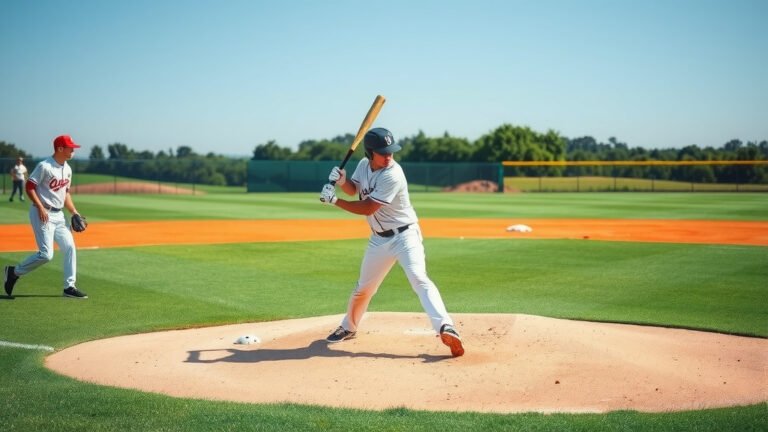
Hitting practice is always a hit with players. Start with tee work to focus on mechanics. Then move to soft toss for timing and hand-eye coordination. Finally, progress to live batting practice, simulating game situations. We found that starting with controlled environments helps players build good habits.
Fielding Drills: Mastering the Glove
Ground balls and fly balls are essential. Practice fielding grounders from different angles and distances. Work on proper footwork and transferring the ball cleanly. For outfielders, focus on tracking fly balls and making accurate throws. Repetition is key here, so keep the balls coming.
Pitching and Catching: The Battery’s Focus
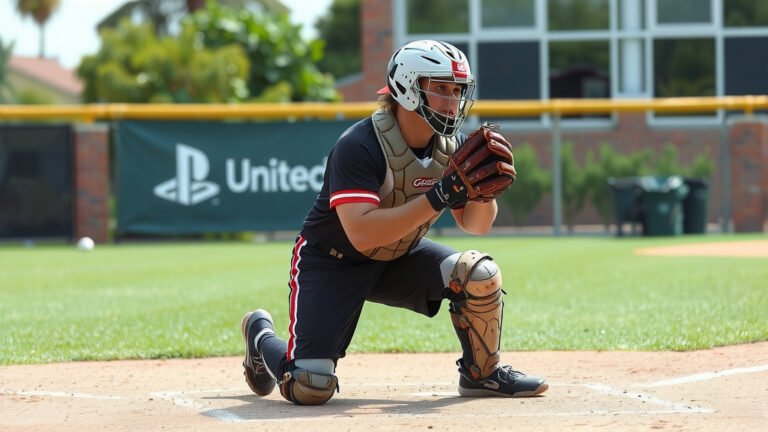
Pitchers need time on the mound to work on their mechanics and control. Catchers should practice receiving pitches, blocking balls in the dirt, and making throws to bases. This battery work is vital for game success. Many coaches say this pairing is the heart of the defense.
3. Game-Like Situations: Putting It All Together
Drills are great, but players need to practice applying their skills in a game context. Scrimmages or simulated game situations help players make quick decisions. They learn to react under pressure. This is where baseball IQ really develops.
You could run a simple “first-and-second” situation. This forces players to think about cutoffs, backup throws, and advancing runners. Or, try a “force-out at home” drill. These scenarios mirror game pressure without the full intensity of an actual game.
4. Base Running: Speed and Smarts
Don’t forget about base running. Practice taking leads, stealing bases, and rounding bases effectively. Smart base running can win games. We found that incorporating this into drills, like after a simulated hit, makes it more practical.
5. Conditioning and Agility: The Athletic Edge
Baseball requires quick bursts of energy and agility. Include some conditioning drills. This could be sprints, shuttle runs, or agility ladder drills. Short, intense bursts mimic the demands of playing. Many athletes find that focusing on sport-specific conditioning yields the best results (National Strength and Conditioning Association).
6. Cool-Down and Review: Winding Down
End your practice with a cool-down. Light jogging or static stretching helps players recover. Then, gather your team for a brief review. What went well? What can be improved? Keep this positive and constructive. A short, focused chat helps reinforce the day’s lessons.
Time Management: Making Every Minute Count
Your practice time is limited, so managing it well is vital. Have a plan before you even step on the field. Stick to your schedule as much as possible. If a drill isn’t working, don’t be afraid to adjust, but try not to let one thing derail the whole practice.
We’ve found that using a timer can be a lifesaver. Allocate specific time slots for each activity. For example:
| Activity | Time Allotment |
|---|---|
| Dynamic Warm-up | 15 minutes |
| Hitting Station | 20 minutes |
| Fielding Station | 20 minutes |
| Pitching/Catching (if applicable) | 15 minutes |
| Game-like Situations | 20 minutes |
| Cool-down & Review | 10 minutes |
This is just an example, and you’ll need to adjust based on your team’s age and skill level. Younger players might need shorter attention spans and more varied activities. Older players might benefit from longer, more intense drill sessions.
Communication is Key: Talking the Talk
Clear communication prevents confusion and keeps everyone on the same page. Explain drills clearly before starting them. Demonstrate what you expect. Use simple language that all players can understand. Encourage players to ask questions. We found that checking for understanding before starting is a good habit.
Don’t just talk *at* your players. Talk *with* them. Give constructive feedback on their performance. Positive reinforcement goes a long way. A simple “great hustle” or “good throw” can boost a player’s confidence. Balance corrections with praise.
Keeping Players Engaged: The Fun Factor
Nobody wants to be bored at practice. Keep the energy high! Make drills competitive when appropriate. Use fun games that still teach baseball skills. Think of drills like “home run derby” for hitting or relay races for throwing. You want your players to be excited to come to practice.
Consider rotating player roles. Let players try different positions occasionally. This makes them more versatile and can expose hidden talents. It also helps them understand the game from different perspectives. Many players benefit from understanding the demands of each position.
Practice Checklist: Your Quick Guide
Here’s a quick checklist to help you plan your next practice:
- Do you have a clear practice plan?
- Are your warm-ups dynamic and effective?
- Are drills focused on specific skills?
- Are you incorporating game-like scenarios?
- Is there time for base running and conditioning?
- Will you have a cool-down and team review?
Conclusion
Running a great baseball practice comes down to thoughtful planning and consistent execution. You’ve learned how to structure your sessions with dynamic warm-ups, focused skill drills, and engaging game-like scenarios. Remembering to manage your time effectively and communicate clearly will keep your players motivated and improving. The next step is simple: take this plan and put it into action. Your team will thank you for the organized, productive practices!
Frequently Asked Questions
How long should a baseball practice be?
Practice length depends on player age and league rules. For younger kids, 60-90 minutes is often sufficient. Older players might benefit from 2-hour sessions. We found that shorter, focused practices are better than long, unfocused ones.
How do I keep younger players engaged during practice?
Keep drills short and high-energy for younger players. Use games and friendly competition whenever possible. Rotating through different activities every 10-15 minutes helps maintain their attention spans. Positive reinforcement is also key.
What if I have too many players for one practice?
Stations are your best friend here. Divide your players into smaller groups and rotate them through different skill areas. You can also have some players work on conditioning or watch demonstrations while others are in drills.
How do I balance skill development with fun?
Integrate fun into your skill drills. Make hitting competitions or fielding challenges. Scrimmages are a great way to make practice feel like a game. We found that players learn best when they are enjoying themselves.
Should I have a specific plan for every practice?
Yes, a plan is essential. Even a simple outline helps you stay on track and cover all the necessary components. Be flexible enough to adjust based on player needs, but always start with a clear objective for the session.