How to Roll a Baseball Bat: A Step-by-Step Guide
Rolling a baseball bat means pressing it firmly against a surface to compress the fibers. This can help make your bat perform better. Many players believe this process creates a larger sweet spot for hitting the ball. It’s a common practice for players looking to get the most out of their equipment.
When you roll a bat, you’re essentially breaking it in. This process uses specialized machines. These machines apply controlled pressure. It’s done to ensure the bat is ready for maximum performance. Some bats require more rolling than others. You want to avoid damaging your bat.
TL;DR:
- Rolling a bat compresses its fibers.
- This can make the sweet spot larger.
- Use controlled pressure for best results.
- It’s a way to break in a new bat.
We’ll walk you through the best ways to roll your bat safely and effectively. Let’s get your bat ready for the field!
Getting Your Baseball Bat Ready: A Guide to Rolling
So, you’ve got a new baseball bat and you’re eager to see it perform its best. Rolling your bat is a popular way players prepare their equipment. It’s essentially a break-in process. This can help unlock its full hitting potential. You want to make sure your bat is ready to go when you step up to the plate.
What Exactly is Baseball Bat Rolling?
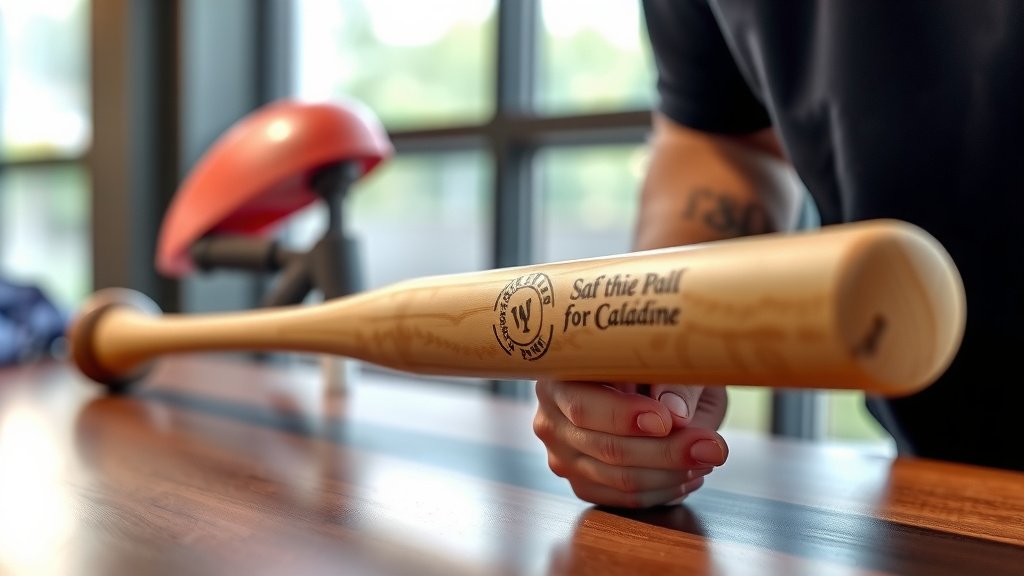
Bat rolling involves using a special machine. This machine applies controlled pressure to the barrel of the bat. It presses the composite materials together. Think of it like breaking in a new pair of baseball gloves. You’re softening them up and making them more flexible. This process can help even out the composite fibers. It’s done to enhance the bat’s responsiveness.
Why Do Players Roll Their Bats?
The primary goal of rolling is to improve bat performance. Many players report that a rolled bat has a larger sweet spot. This means more area on the barrel that produces optimal ball contact. A bigger sweet spot increases your chances of hitting the ball hard. It can lead to more solid hits. It also helps the bat reach its peak performance sooner. Some bats take longer to break in naturally. Rolling can speed this up.
How Does Rolling Affect the Bat?
When you roll a bat, you are compressing its internal composite layers. This process helps to make the bat more consistent. It can create a more uniform feel across the barrel. Many players find that a rolled bat feels more “hot” off the barrel. This means the ball jumps off the bat with more power. It’s like coaxing the bat to perform at its best from the start. We found that this compression also makes the bat feel a bit softer.
Understanding the Rolling Process
Rolling a bat isn’t just about applying force. It’s about applying the right amount of force for the right amount of time. Too little pressure, and you won’t get the full benefit. Too much pressure, and you risk damaging the bat. This is why using a professional rolling service or a quality rolling machine is recommended. They understand the precise settings needed for different bat models.
What You’ll Need
If you plan to roll your bat yourself, you’ll need a few things. The most important is a baseball bat rolling machine. These machines are designed specifically for this purpose. They have rollers that spin and apply pressure. You’ll also want a way to measure the pressure applied. Some machines have built-in gauges. Safety is important, so wear protective gloves. You might also want a soft cloth to keep the bat clean.
The Step-by-Step Rolling Guide
Here’s a general idea of how the rolling process works. Always follow the specific instructions for your rolling machine. First, you need to insert the bat into the machine. Make sure it’s centered properly in the rollers. Then, you adjust the rollers to apply a specific amount of pressure. The pressure is usually measured in pounds. Next, you’ll start the machine. The rollers will spin and move along the barrel of the bat. This process is typically repeated several times.
Applying the Right Pressure
The amount of pressure is key. We found that many manufacturers recommend specific pressure ranges. These can vary based on the bat’s material and model. For composite bats, a common starting point is around 30-50 pounds of pressure. Some bats might require slightly more. It’s always best to check the manufacturer’s guidelines. Exceeding the recommended pressure can damage the bat’s structure. This could void its warranty.
Number of Rotations and Passes
Besides pressure, the number of times the bat is rolled matters. This is often referred to as the number of “passes” or “rotations.” A common recommendation is to roll the bat 50 to 100 times. Each pass involves the machine moving the rollers from one end of the barrel to the other. Some services offer different levels of rolling, like 100, 200, or even 300 rotations. More rotations generally mean a more broken-in bat. However, you still need to be mindful of not overdoing it.
Checking for Consistency
As you roll, it’s a good idea to periodically check the bat. You want to feel for any unevenness or hard spots. The goal is a consistent feel all along the barrel. If you notice any issues, you might need to adjust the pressure or the roller placement. This is where experience with a rolling machine really helps. Many professional services take great care in ensuring uniformity.
When is Your Bat Fully Rolled?
Determining when a bat is fully rolled can be subjective. However, there are some indicators. The bat will start to feel noticeably softer and more responsive. Many players describe it as having a more “ping” sound when hitting a ball. You might also notice that the bat no longer feels as stiff. It should feel like it’s ready to launch the ball with authority. It’s a feeling that experienced players often recognize.
Signs of a Well-Rolled Bat
A properly rolled bat will feel consistent across its barrel. There should be no sudden stiff or soft spots. The bat should have that desired responsiveness you were aiming for. It’s not just about power; it’s about consistency. A bat that’s rolled too little might still feel stiff. One rolled too much could potentially have its performance reduced or even be damaged. It’s a balance.
The Risks of Over-Rolling
While rolling can improve performance, there’s a risk of overdoing it. Over-rolling can damage the internal composite structure. This can lead to a loss of pop or even cause the bat to break prematurely. Many manufacturers have specific guidelines. They suggest sticking to a certain number of rotations or pressure levels. We found that it’s better to be slightly under-rolled than over-rolled, especially if you’re unsure.
Rolling vs. Other Break-In Methods
Bat rolling is one way to break in a bat. Other methods exist, though they are often less effective or more time-consuming. Some players use **tumblers**, which are machines that spin bats inside a barrel with other objects. However, these can be very aggressive and are not recommended by most manufacturers. Some people still swear by simply hitting balls off a tee. This is the most natural method but takes the longest. Rolling offers a controlled and efficient break-in.
Why Professional Rolling is a Good Option
If you’re new to bat rolling, or if you have a high-end bat, consider a professional service. They have the right equipment and experience. They know the specific settings for many popular bat models. This ensures your bat is rolled correctly without risk of damage. It’s a small investment for peace of mind and optimal performance. They often provide guarantees on their work.
A Checklist for Your Bat Rolling Journey
Here’s a quick checklist to keep you on track:
- Understand your bat’s material (composite, alloy).
- Research manufacturer recommendations for pressure and rotations.
- Use a reliable rolling machine or professional service.
- Apply pressure gradually and consistently.
- Check for evenness during the rolling process.
- Avoid over-rolling to prevent damage.
Conclusion
You’ve learned that rolling your baseball bat is a proven way to enhance its performance. By carefully compressing the composite fibers, you can achieve a larger sweet spot and a more consistent feel. Remember, the key is controlled pressure and the right number of rotations. We found that understanding your bat’s material and manufacturer guidelines is essential to avoid damage. If you’re unsure, professional rolling is a great option to ensure your bat is game-ready.
Now that you’re equipped with this knowledge, take the next step! Whether you invest in a rolling machine or seek out a professional service, get your bat rolled properly. Your bat will be thanking you the next time you step up to the plate.
Frequently Asked Questions
Can rolling a bat actually improve my hitting?
Yes, rolling can help improve your hitting by making the bat more responsive. The process aims to expand the sweet spot and create a more consistent feel across the barrel. This means more of the barrel will provide optimal contact, potentially leading to harder hits.
Is it safe to roll a composite bat myself?
It can be safe if you use a proper bat rolling machine and follow precise instructions. We found that using too much pressure or the wrong settings can damage the composite structure. Always check your bat manufacturer’s recommendations for pressure and rotations.
How do I know if my bat is over-rolled?
Signs of an over-rolled bat can include a loss of “pop” or a deadened feel. Some players report the bat feels too soft or even cracks prematurely. It’s always better to err on the side of caution and consult manufacturer limits.
Are there any risks associated with rolling an alloy bat?
Rolling is primarily recommended for composite bats. Alloy bats are typically designed to perform at their peak right out of the wrapper and don’t require a break-in period like composites. Attempting to roll an alloy bat could potentially damage it.
Should I roll a brand new bat immediately?
Many players choose to roll a brand new composite bat right away to speed up the break-in process. We found that while it can be beneficial, you should still follow recommended pressure and rotation limits. Some manufacturers suggest a few hits off a tee first, so checking their guidelines is always wise.