
How to Properly Wear Your Baseball Glove
Wearing a baseball glove correctly is all about getting a snug and comfortable fit. You want your glove to feel like a natural extension of your hand, making it easier to catch and control the ball. Properly breaking in and adjusting your glove can make a big difference in your game.
Getting the fit right is the first step to mastering how to wear a baseball glove. It ensures you have the best possible control and protection when fielding. We found that a glove that’s too loose or too tight can hinder your ability to make plays. Many players overlook this important aspect, but it’s key for success on the field.
- Break in your glove properly.
- Adjust straps for a snug fit.
- Ensure it feels comfortable and secure.
- Make sure it doesn’t slip off.
Let’s walk through exactly how to make sure your baseball glove is ready for action, step by step.
Getting the Right Fit for Your Baseball Glove
You’ve got your glove, now let’s talk about wearing it like a pro. A well-fitting glove feels like an extension of your hand. It should be snug but not tight. You want it to move with you, not against you. We found that the right fit makes a huge difference. It helps you catch the ball cleanly. It also protects your hand from those hard-hit grounders.
How Your Hand Should Feel Inside
When you slide your hand in, your fingers should go all the way to the end of the glove’s finger stalls. Your index finger can either go into its own stall or rest on top of your middle finger. This is a personal preference. Some players like the extra cushioning. Others prefer a more direct feel. Whichever you choose, it should feel natural.
Checking Finger Length
Make sure your fingertips are near the end of the glove. They shouldn’t be crammed at the tips. But they also shouldn’t be floating loosely. There should be just a little bit of space. This allows for a good feel of the ball. It also helps with control. We found that too much extra space can lead to a fumbled catch.
The Thumb and Pinky
Your thumb and pinky fingers are key for closing the glove. They should feel supported. The glove should allow you to easily bring the pocket together. It shouldn’t feel like you’re fighting the glove. A glove that’s too stiff here can hinder your ability to secure the ball. Many players overlook this part. They focus more on the finger stalls.
Adjusting Your Glove for a Secure Feel
Most baseball gloves have a wrist strap. This strap is your best friend for fine-tuning the fit. It’s designed to make the glove feel secure. It stops the glove from slipping. This is especially important when you’re moving fast. Let’s look at how to adjust it properly.
The Wrist Strap Adjustment
Slide your hand into the glove first. Get a feel for how it sits. Then, locate the wrist strap. It’s usually at the back of the glove. You’ll likely see a buckle or velcro. If it’s a buckle, you might need to thread the strap through it. Many modern gloves use velcro for easy adjustments.
Finding the Right Snugness
Tighten the strap until the glove feels secure on your hand. It should feel like a snug hug. It shouldn’t be so tight that it cuts off circulation. You should be able to wiggle your fingers comfortably. We found that a glove that’s too loose will flop around. This makes it hard to control. A glove that’s too tight can be uncomfortable. It can also restrict your hand movement.
The “Feels Like an Extension” Test
Try closing the glove. Can you make a good fist? Does it feel natural? You want the glove to respond to your hand’s movement. If you have to force it, it’s probably too tight. If it feels sloppy and loose, it’s too loose. Many experts suggest the wrist strap is the primary way to get this right. It anchors the glove to your hand.
Breaking In Your Glove: The Essential Step
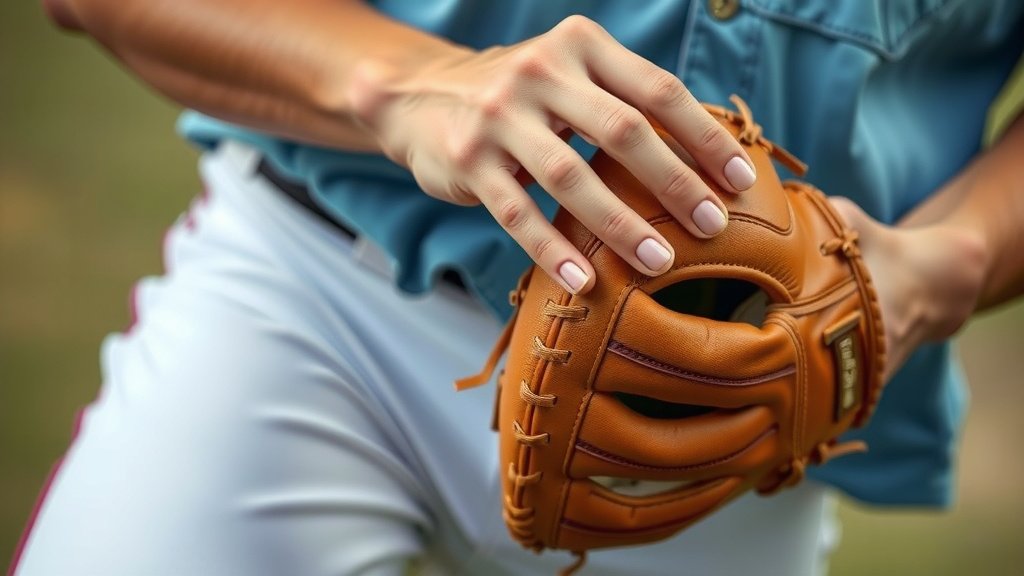
A new baseball glove can feel like a stiff board. You absolutely must break it in. This makes it pliable and game-ready. A broken-in glove is easier to close. It also forms a better pocket. We found that the process takes time. But it’s worth the effort. Here are some popular methods we found.
The Pocket Folding Method
The goal here is to soften the leather. You want to create a nice, deep pocket. You can do this by repeatedly folding the glove. Open the glove flat. Then, fold it in half. Press down firmly. You can use your fist or even your leg for leverage. Do this many times. It helps the glove conform to the shape of a ball.
Glove Oil and Conditioners
Specialized glove oils or conditioners can help. Apply a small amount to the leather. Gently rub it in. Be careful not to use too much. Excessive oil can make the glove too heavy. It can also damage the leather over time. We found that applying it to the pocket and hinges is most effective. Let it soak in for a bit. Then, work the glove by hand.
The “Ball in Glove” Technique
Place a baseball or a softball in the pocket. Close the glove around it. You can use a glove clip or even a rubber band to hold it shut. Leave it like this overnight. This helps the glove form to the shape of the ball. Repeat this process over several days. Many players swear by this method for creating a perfect pocket.
Playing Catch is Key
There’s no substitute for actual playtime. When you play catch, you’re naturally flexing the glove. You’re working the hinges and the pocket. Each catch helps break it in further. We found that short sessions of playing catch are very effective. They combine breaking in with actually practicing your fielding.
Checklist for a Perfect Glove Fit:
- Slide your hand all the way in.
- Fingers should be near the tips of the stalls.
- Adjust the wrist strap for a snug feel.
- Close the glove easily with your thumb and pinky.
- The glove should not slip off when you move.
- It should feel like a comfortable extension of your hand.
Conclusion
You’ve learned that a great baseball glove fit starts with your hand inside. It should feel snug but allow free finger movement. Adjusting that wrist strap is key to making your glove feel like a true extension of your arm. Remember, breaking in your glove properly is essential. It transforms a stiff piece of leather into a reliable fielding tool. Don’t skip this part! Your next step? Get out there and put in the practice. Consistent play will solidify that perfect fit and hone your skills.
Frequently Asked Questions
How do I know if my baseball glove is too small?
If your fingers feel crammed at the very end of the finger stalls, or if you can’t easily close the glove around a ball, it’s likely too small. You might also find it hard to get your hand fully into the glove. A glove that’s too small will feel restrictive and uncomfortable.
Can I use my baseball glove for softball?
Generally, baseball gloves are smaller than softball gloves. This is because softballs are larger than baseballs. While you might be able to fit a softball in a baseball glove, it won’t create a proper pocket. We found it’s best to use a glove designed for the size of ball you’ll be playing with.
How long does it take to break in a new baseball glove?
Breaking in a glove takes time and consistent effort. It can range from a few days to a couple of weeks, depending on the glove’s stiffness and the methods you use. Playing catch regularly is one of the most effective ways to speed up the process. Patience is important here.
Should my baseball glove be tight or loose?
Your baseball glove should be snug but not tight. It needs to feel secure on your hand so it doesn’t slip when you move. However, it shouldn’t be so constricting that it limits your hand’s flexibility or causes discomfort. A glove that’s too loose won’t offer good control.
What’s the best way to store my baseball glove?
The best way to store your glove is in a cool, dry place. Many players place a ball in the pocket and secure it with a rubber band or clip. This helps maintain the pocket shape. Avoid storing it in extreme heat or moisture, which can damage the leather over time.