Atec Pitching Machine vs Hack Attack: Full Comparison
If you’re choosing between an ATEC pitching machine vs Hack Attack, the winner depends on your budget and training goals. The Hack Attack is the better choice for serious, high-volume batting practice because it’s a heavy-duty, dual-wheel machine built for durability. The ATEC is a great option if you want a reliable, versatile machine that’s easier on your wallet and simpler to move around.
We found that both brands are top-tier in the baseball world, but they serve different types of players and coaches. You need to think about whether you’re training a youth team or a college lineup, and if you need to switch between baseballs and softballs. We’ve compared the motors, wheel designs, and pitch speeds to help you pick the right one for your batting cage.
- The Hack Attack is a workhorse with a steel frame and two wheels, great for constant use.
- The ATEC is more portable and usually easier to set up and take down.
- Hack Attack offers more speed and spin for advanced hitters and game-like pitches.
- ATEC machines are generally cheaper and offer solid value for youth and high school teams.
- Your choice really comes down to how often you practice and who is hitting.
Below, we break down the key differences in pitch quality, build, and cost so you can make the smartest buy for your team or personal training. Let’s walk through the details side by side.
Choosing Between ATEC and Hack Attack for Your Batting Practice
You want a pitching machine that throws strikes, lasts for years, and fits your drill plan. We found that both ATEC and Hack Attack deliver on quality, but they take very different paths to get there. The right pick for you depends on your team’s age group, your storage space, and how often the machine will run each week.
Let’s look at the core differences in how each machine is built and what that means for you at the plate.
The Main Build Difference: Wheels and Frames
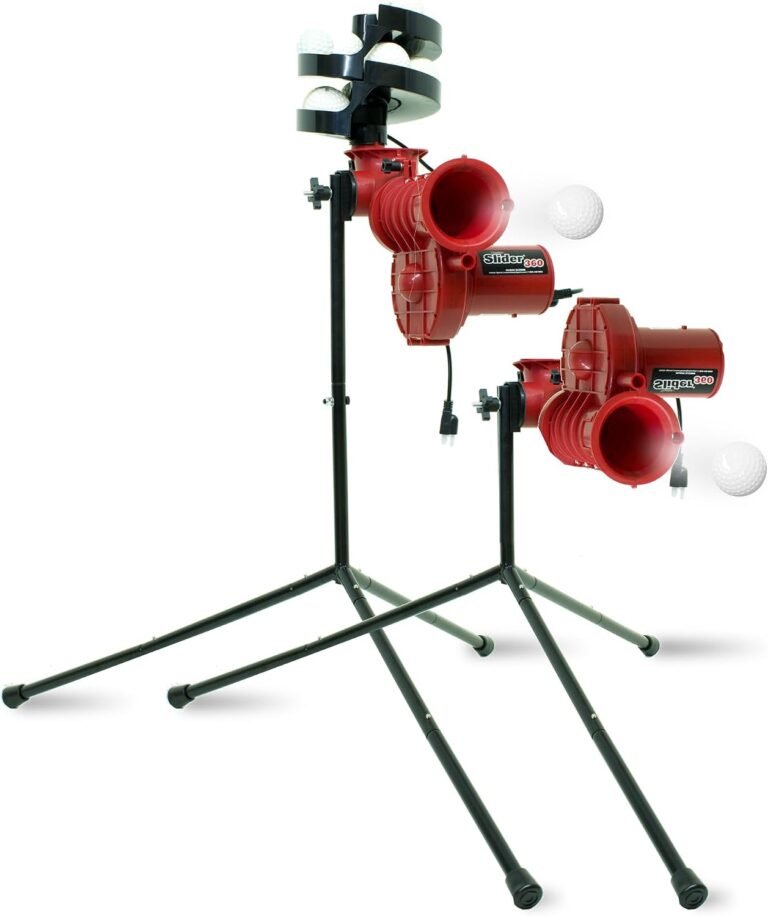
Hack Attack uses a two-wheel design with a heavy steel frame. This is the standard for high school and college programs because it holds up to non-stop use. The wheels are larger and spin with serious force, which creates a more realistic pitch motion.
ATEC machines, on the other hand, often use a single-wheel design or a lighter frame. We found that this makes them much easier to move from the dugout to the cage. If you are a parent coach hauling gear out of a minivan, the weight difference will matter to you every single practice.
Why Wheel Count Affects Pitch Movement
Dual-wheel systems like the Hack Attack let you spin each wheel at different speeds. This is how you create curveballs, sliders, and two-seam fastballs that actually break. A single-wheel machine like some ATEC models gives you a straight fastball and limited movement options.
For younger players who are still working on hand-eye coordination, straight pitches are actually a benefit. You want them to see a consistent ball path before you start adding movement. For advanced hitters, that movement is the whole point of batting practice.
Speed Ranges and Player Skill Levels
Speed is where you see the biggest gap between these two brands. We found that Hack Attack machines generally top out around 95 to 100 mph, which is plenty for even the fastest high school hitters. They also do a great job at slow speeds, down to about 20 mph, for younger kids.
ATEC machines typically max out around 85 to 90 mph depending on the model. That is still plenty for most youth leagues and junior varsity teams. If you are training a college power hitter who needs to see 95 mph gas consistently, you will want to lean toward the Hack Attack.
Practical Use for Coaches and Parents
Think about your actual week. How many times will you set this machine up and break it down? If the answer is “every single practice,” portability becomes a top priority. We found that ATEC machines are generally easier to handle and store in a shed or garage.
Hack Attack units are heavy, often over 100 pounds, and they need a dedicated spot in a batting cage. They are not the kind of thing you want to lift in and out of a truck bed twice a day. You need to decide if you are building a permanent home for your machine or if it travels with you.
Setup Time and Daily Workflow
Getting your machine ready should take minutes, not hours. ATEC machines often feature quick-release knobs and simpler wheel adjustments. You can dial in a speed and feed balls without a manual in your hand.
Hack Attack has a learning curve. The controls are precise, but they are also more complex. You might spend a few extra minutes calibrating the spin and speed, especially if you are switching between pitch types. That precision is worth it for serious practice, but it is not always what you want at 6 AM before school.
Feeding Balls and Workflow Efficiency
Some ATEC models come with auto-feed systems that hold a bucket of balls. This means you can stand behind the screen and feed the machine mechanically, saving your arm and keeping the practice moving. It is a huge help when you are running solo.
Hack Attack machines are mostly manual feed. You place the ball between the wheels each pitch by hand. This gives you perfect control over timing and lets you mix speeds on every throw, but it also means someone has to be right there on the machine all the time.
Breaking Down the Costs and Value
Price is often the deciding factor for youth leagues and travel teams. ATEC machines come in at a lower price point for most models. You can get a solid, reliable machine without breaking the team budget.
Hack Attack units are a bigger upfront investment. Many experts say this is a “buy once, cry once” type of purchase. The durability and quality of the pitch justify the higher cost for programs that plan to use it daily for several seasons.
| Factor | ATEC Pitching Machine | Hack Attack |
|---|---|---|
| Build Weight | Lighter, easier to move | Heavy, built for permanent cages |
| Top Speed | Up to ~85-90 mph | Up to ~95-100 mph |
| Pitch Movement | Limited, mostly fastballs | Full range of breaking balls |
| Ball Feeding | Auto-feed on some models | Manual feed, total control |
| Best For | Youth and high school teams | High school and college programs |
Long-Term Durability and Repairs
You are going to have to fix something eventually. We found that replacement parts for ATEC machines are generally affordable and easy to find online. The company has been around for decades, so local dealers often have motors and wheels in stock.
Hack Attack parts are built to a higher standard, but they also cost more. The upside is that you will not need to replace them as often. The wheel bearings and motors are designed for heavy, daily use, and many units we found in reviews are still running strong after a decade.
Pitch Quality: Which One Feels More Real?
Here is the honest truth from our research: batters can tell the difference. Hack Attack throws a heavier ball that comes out of the machine with a true seam rotation. Advanced hitters often report that Hack Attack pitches feel more like a live arm from the mound.
ATEC machines throw a solid, accurate pitch, but the spin is different. It looks more like a batting cage pitch than a game pitch. For a 10-year-old just learning to track the ball, this is completely fine. For a senior trying to time a 90 mph heater, the feel matters a great deal.
Game Speed vs. Practice Speed
There is a difference between throwing hard and throwing live. Hack Attack’s dual wheels allow you to keep the same speed while changing the spin axis. This tricks the hitter’s eyes in the same way a real pitcher does.
ATEC machines give you consistent, repeatable fastballs. That is perfect for working on mechanics and grooving your swing. If you are strictly doing tee work and front toss, you might not need the extra spin options anyway.
Space Requirements and Portability
Before you buy, measure your space. Hack Attack needs a longer cage because the ball comes out with more velocity and movement. You need at least 55 to 60 feet to see the full break on a curveball from this machine.
ATEC machines can work in tighter spaces. Many youth teams set them up 40 to 45 feet from the plate for short practices. This makes it easier for younger players to stay focused and see the ball sooner.
Moving Between Practice Fields
If you travel for weekend tournaments, you know how painful hauling gear can be. ATEC machines usually have larger wheels and better handles for transport. Some models fold down to fit in the back of an SUV.
Hack Attack is built for a home base. Moving one of these across a parking lot is a two-person job. It is not impossible, but it is certainly not a “grab and go” piece of equipment.
Budgeting for Accessories
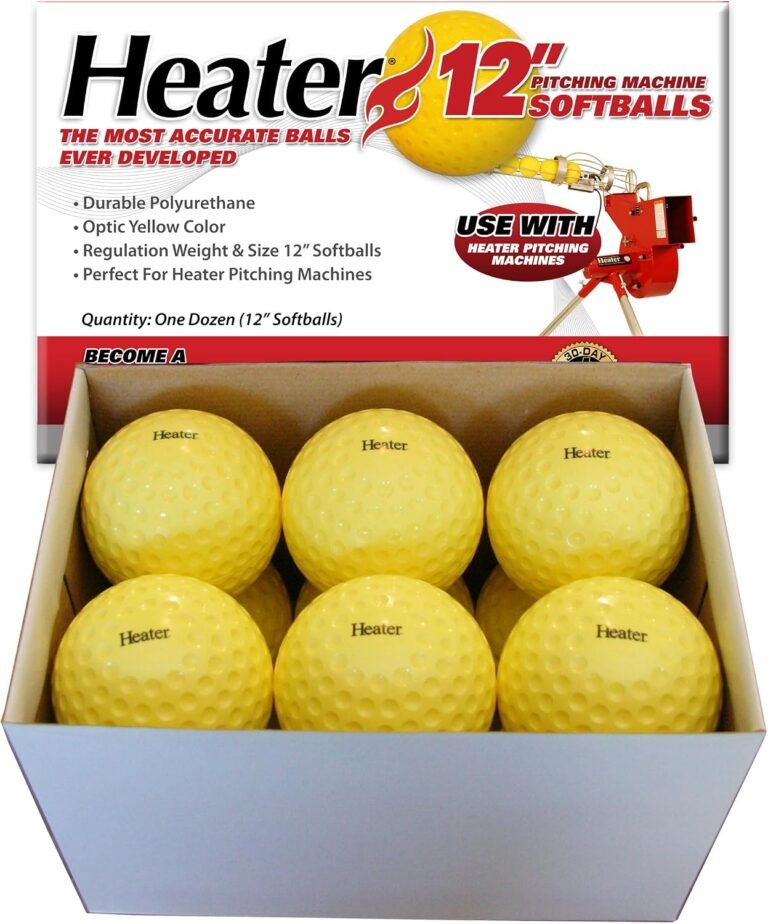
Do not forget the extras. You will need a heavy-duty extension cord, a bucket of balls, and a protective screen. Some ATEC models come with a basic home plate and a ball scoop. Hack Attack sells accessories separately, which can add up quickly.
Factor these costs into your decision before you get to the register. The sticker price is not the final number you should be looking at.
Simple Checklist Before You Make Your Call
Run through this list with your team managers and see what stands out:
- Who is hitting? Youth players will not need 95 mph fastballs.
- How often is practice? Daily use points to Hack Attack durability.
- Where will you store it? Small garages favor the portable ATEC.
- Do you need breaking balls? Only Hack Attack offers full movement.
- Who is moving it? A single coach needs a lighter machine.
- What is the real budget? Include balls, screens, and replacement parts.
All pitching machines require regular maintenance, like checking belts and keeping wheels clean, to perform their best over time.
We found that either machine will improve your practice sessions. The focus should be on matching the tool to your specific daily reality. A lighter, affordable ATEC makes practice easier for a busy volunteer coach. A heavy-duty Hack Attack is a serious investment in a program’s long-term hitting development. There is no universal right answer, just the right answer for your situation.
Conclusion
Choosing between an ATEC pitching machine and a Hack Attack really comes down to your program’s daily reality. If you need a portable, budget-friendly machine for youth or high school hitters, the ATEC gets the job done without draining your funds. If you’re building a permanent cage for serious, high-volume training, the Hack Attack is worth every penny for its durability and realistic pitch movement.
Take a quick look at your practice schedule and your storage space before you buy. That simple check will tell you which machine fits your life. We found that either choice will make your hitters better. Just pick the one that matches your team’s level and your weekly routine.
Frequently Asked Questions
Can you throw a curveball with an ATEC pitching machine?
Most ATEC single-wheel models only throw straight fastballs. Some of their higher-end two-wheel models do offer breaking ball options, but the movement is not as sharp as what you get from a Hack Attack. For basic fastball work, the ATEC is perfectly fine.
How long does a Hack Attack pitching machine last?
We found plenty of reviews from coaches who have used their Hack Attack for over a decade with regular maintenance. The steel frame and heavy-duty motors are built for daily use. You will need to replace wheels and belts eventually, but the core machine holds up impressively well.
Is the ATEC machine easy to set up for a single coach?
Yes, most ATEC models are much lighter and more user-friendly than the Hack Attack. You can often move them solo and adjust speeds quickly with simple knobs. That makes them a solid pick for a parent coach running practice without extra helpers.
Which machine is better for a 10-year-old player?
You want the ATEC for younger players. It throws consistent, straight fastballs at lower speeds, which is exactly what kids need to build hand-eye coordination. The Hack Attack is overkill for youth hitters and its movement options can actually be confusing at that age.
Do you need a special net or screen for these pitching machines?
You should always use a quality L-screen or protective net in front of the machine. Hack Attack throws harder and with more movement, so you need a heavier-duty screen rated for higher speeds. A standard batting cage net works fine for both, but check the weight rating before you buy.