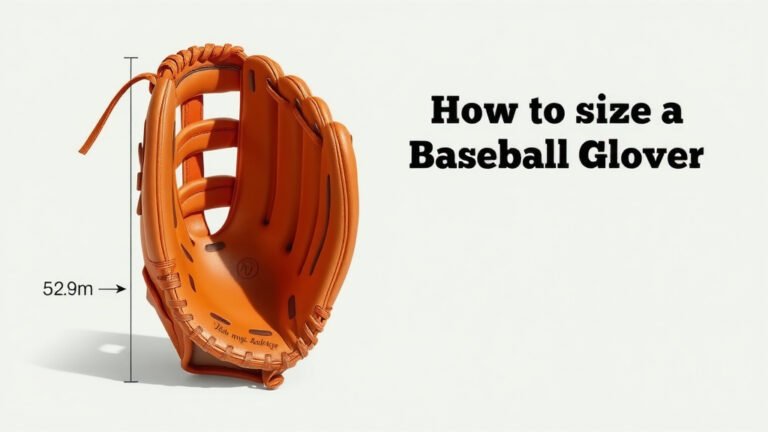
How to Measure a Baseball Glove Accurately
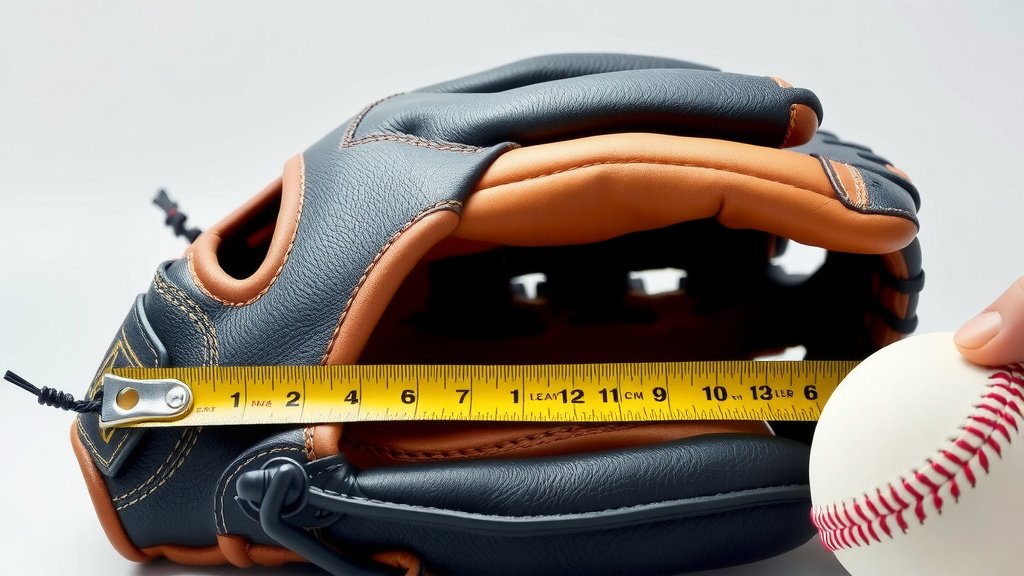
Measuring a baseball glove is pretty simple. You’ll need a ruler or tape measure. The most important measurement is from the heel of the pocket to the tip of the index finger. This gives you the glove’s overall length. Most youth gloves range from 9 to 11 inches. Adult gloves typically fall between 11.5 and 13 inches, depending on the position. Getting this measurement right helps you find a glove that fits your hand and playing style. A glove that’s too big or too small can really affect your game.
Beyond the main length, you might also want to measure the glove’s width. This is the distance across the widest part of the pocket. A wider pocket means more catching surface. Many players also consider the depth of the pocket. This is how deep the glove can hold a ball. These other dimensions contribute to how well the glove performs for different types of players. Knowing these numbers can help you choose the perfect glove for your needs.
- Measure from the heel to the index finger tip.
- This is your glove’s main length.
- Check width across the pocket.
- Pocket depth matters too.
- Match measurements to your position and age.
Ready to find the right fit? Let’s walk through exactly how to get these measurements step by step.
Getting the Right Baseball Glove Size: A Step-by-Step Guide
You’ve got your glove, but how do you know if it’s the perfect fit for your hand? Measuring your baseball glove is an important step. It ensures comfort, control, and better performance on the field. We’ll walk you through how to take accurate measurements. This will help you find a glove that feels like an extension of your hand.
Understanding Glove Sizing Fundamentals
Glove sizes are typically listed in inches. This number represents the overall length of the glove. It’s measured from the tip of the index finger to the heel of the glove. This is the most common way manufacturers and players discuss glove size. But it’s not the only measurement that matters for a great fit. You also want to consider the pocket’s width and depth. These can vary even for gloves with the same overall length rating.
The Importance of Proper Glove Fit
Why go through the trouble of measuring? A glove that’s too small can feel constricting. It might make catching the ball difficult and uncomfortable. On the other hand, a glove that’s too large can be unwieldy. You might lose control, and the ball could slip out more easily. Finding the **right size** is like finding the right pair of shoes. It needs to feel secure and natural.
Tools You’ll Need
Don’t worry, you don’t need any fancy equipment. A simple ruler or a tape measure will do the job perfectly. Make sure the markings are clear so you can get an accurate reading. You might also want a pen and paper to jot down your measurements. This is especially helpful if you’re comparing multiple gloves or brands.
How to Measure Your Baseball Glove’s Length
This is the primary measurement that most people refer to when talking about glove size. It gives you the overall span of the glove from one end to the other. Let’s break down how to get this measurement accurately.
Step 1: Locate the Heel and Index Finger Tip
First, lay your glove flat on a surface. The heel is the bottom-most part of the glove, where your palm rests. The index finger is the finger that typically rests along the top edge of the glove. You’ll be measuring from the very bottom of the heel to the very tip of where the index finger would extend.
Step 2: Place the Measuring Tool
Position your ruler or tape measure. Start the measurement at the inside of the heel. Some sources suggest measuring from the outside, but many players and experts agree that an inside measurement is more consistent. Extend the measuring tool in a straight line, following the curve of the glove’s pocket, all the way up to the tip of the index finger.
Step 3: Read the Measurement
Carefully read the number where the index finger tip ends. This measurement is usually given in inches. For example, you might measure 11.75 inches. This is the glove’s length. Remember, this is the standard way glove sizes are listed.
What Does This Measurement Mean for You?
The length of the glove is a good starting point. It generally correlates with the intended player’s age and position. For instance, youth players might use gloves around 9 to 11 inches. Infielders often prefer shorter gloves (11 to 11.75 inches) for quicker transfers. Outfielders and pitchers might opt for longer gloves (12.5 to 13 inches) to extend their reach and create a larger catching surface. First basemen and catchers have specialized mitts that are measured differently, often by their depth and circumference rather than length.
Measuring Your Glove’s Pocket Width
Once you have the overall length, you’ll want to check the width of the pocket. This measurement tells you how much surface area you have to actually catch the ball. A wider pocket can be beneficial for players who need to secure fast-moving balls.
How to Measure Pocket Width
With the glove still lying flat, find the widest part of the pocket. This is usually just below the thumb and index finger stalls, where the ball rests. Place your ruler or tape measure across this widest point. Measure from one side of the pocket to the other. A typical pocket width might range from 4 to 5 inches, depending on the glove’s overall size and design.
The Impact of Pocket Width
A wider pocket can make it easier to catch and secure the ball. This is especially helpful for younger players who are still developing their catching skills. It can also be beneficial for outfielders who need to make difficult catches on the run. However, an overly wide pocket might make it harder to get the ball out quickly for infield plays. It’s a trade-off that depends on your specific needs.
Assessing Your Glove’s Pocket Depth
Pocket depth is another critical factor. It determines how well the glove can “cup” the ball and keep it from popping out. A deeper pocket can provide more security.
Measuring Pocket Depth
To measure depth, imagine the pocket has a bottom. You can use the tip of your ruler or tape measure to gauge this. Place the end of your measuring tool at the opening of the pocket and let it sink down into the deepest part of the pocket. Note how far down it goes. You can also visually inspect the glove to see how much of a well or trough it forms.
Why Pocket Depth Matters
A deeper pocket acts like a net, helping to trap the ball. This is particularly important for pitchers, catchers, and first basemen who often handle hard-thrown balls. An infielder might prefer a shallower pocket for faster ball transfer. The right depth helps you gain confidence knowing the ball will stay put.
Glove Size Recommendations by Position and Age
To help you put these measurements into context, here are some general guidelines. Keep in mind that these are starting points, and personal preference plays a huge role. Many experts suggest using these as a baseline.
| Age Group / Position | Typical Glove Length (inches) | Primary Considerations |
|---|---|---|
| Youth (Ages 4-7) | 9 to 10.5 | Lightweight, easy to close, good pocket for learning. |
| Youth (Ages 8-12) | 10.5 to 11.5 | Developing grip, slightly larger pocket, easier closure. |
| Infielders (Youth/Adult) | 11 to 11.75 | Quick transfers, good feel for the ball, manageable size. |
| Outfielders (Youth/Adult) | 12.5 to 13 | Extended reach, larger pocket for securing catches, coverage. |
| Pitchers (Adult) | 12 to 12.75 | Webbing for hiding grip, moderate length for control. |
| First Basemen (Adult) | 12.5 to 13 | Deep pocket, flexible for scooping, wider catching area. |
| Catchers (Adult) | 32 to 34 (Circumference) | Deep, rounded pocket designed to absorb impact, not typically measured by length. |
Special Note on Catcher’s Mitts and First Baseman’s Mitts
Catcher’s mitts and first baseman’s mitts are different. They don’t have individual finger stalls like a fielder’s glove. Instead, they are more rounded and padded. Their sizing is often listed by circumference (for catchers) or overall size without a strict index finger to heel measurement. Their unique design is for specific job functions on the field.
Final Tips for Measuring Your Glove
Before you finalize your choice, here’s a quick checklist to ensure you’ve covered all your bases:
- Lay the glove flat.
- Measure from the inside heel.
- Measure to the tip of the index finger.
- Check the widest part of the pocket.
- Assess the pocket’s depth visually.
- Compare to position and age guidelines.
Conclusion
You now have the tools to accurately measure your baseball glove. Understanding the glove’s length, pocket width, and depth is key. These measurements help you find a glove that feels right for your hand and your position. Matching these dimensions to the recommendations for your age and role can make a real difference on the field. Don’t just guess; measure your current glove and use those numbers when shopping for your next one. This attention to detail will help you find gear that enhances your game.
Frequently Asked Questions
Do I measure the glove with it open or closed?
It’s best to measure your glove while it’s lying flat and relaxed on a surface, not fully open or tightly closed. This provides a more consistent and standard measurement that aligns with how glove sizes are typically listed.
Can I use my hand measurements to find glove size?
While knowing your hand size is helpful for glove fit, measuring the glove itself is more direct for sizing. Glove manufacturers list sizes based on the glove’s dimensions, not directly on hand measurements. You’ll want to ensure the glove size corresponds to your hand and position.
What if my glove is a catcher’s mitt or first baseman’s mitt?
Catcher’s mitts and first baseman’s mitts are specialized and not measured by the standard index finger to heel length. For catchers, sizing is usually in circumference (e.g., 32-34 inches). First basemen’s mitts are more about overall size and pocket depth rather than a strict length measurement.
Are these measurements the same for youth and adult gloves?
The measurement method is the same, but the resulting numbers will differ. Youth gloves are typically smaller (9-11.5 inches) to accommodate younger players. Adult gloves are generally larger (11.5-13 inches) and vary more by position.
How do I know if my glove is too big or too small?
A glove that’s too small will feel tight and make it hard to close your hand around the ball. A glove that’s too big will feel loose, making it difficult to control, and the ball might slip out easily. Your measurements should help you avoid these extremes.