How to Size a Baseball Glove: A Perfect Fit Guide
Sizing a baseball glove is all about finding one that feels like a natural extension of your hand, not a bulky oven mitt. You want a glove that fits snugly, allowing you to close it easily on the ball while protecting your hand. The correct size depends on your age, position, and hand size.
Getting the right glove size makes a huge difference in your game. A glove that’s too big can make catching difficult, leading to errors. Too small, and it might not offer enough protection or pocket depth. We’ve researched how different factors like your dominant hand and playing style impact the ideal glove measurement.
- Measure your hand to find your starting point.
- Consider your playing position (infield, outfield, pitcher, catcher).
- Younger players need smaller gloves; adults need larger ones.
- A good glove should feel snug, not tight.
Ready to find the perfect fit? Let’s break down exactly how to measure and choose a baseball glove that will make you feel like a pro.
Finding the Right Glove Fit for Your Game
Sizing a baseball glove correctly is one of the most important steps you can take. A glove that fits well feels like a natural extension of your hand. We found that this snug, comfortable feel improves your ability to catch the ball. It also helps protect your hand from those hard-hit line drives or errant throws. Let’s figure out what size is best for you.
Measure Your Hand: The Starting Point
Before you even look at gloves, you need to know your hand size. This measurement is the foundation for finding the right glove. It ensures you’re looking at appropriate models from the start. Don’t guess; grab a flexible measuring tape. You’ll want to measure from the tip of your longest finger down to the base of your palm.
How to Accurately Measure Your Hand
Here’s a simple method we found effective. Lay your dominant hand flat on a piece of paper. Using a pen or pencil, trace around your hand. Then, measure from the tip of your longest finger straight down to the crease at the base of your palm. This number, usually in inches, is your basic hand size. Some glove manufacturers use this measurement directly. Others use it as a guide when you look at their sizing charts.
Understanding Glove Sizing Charts
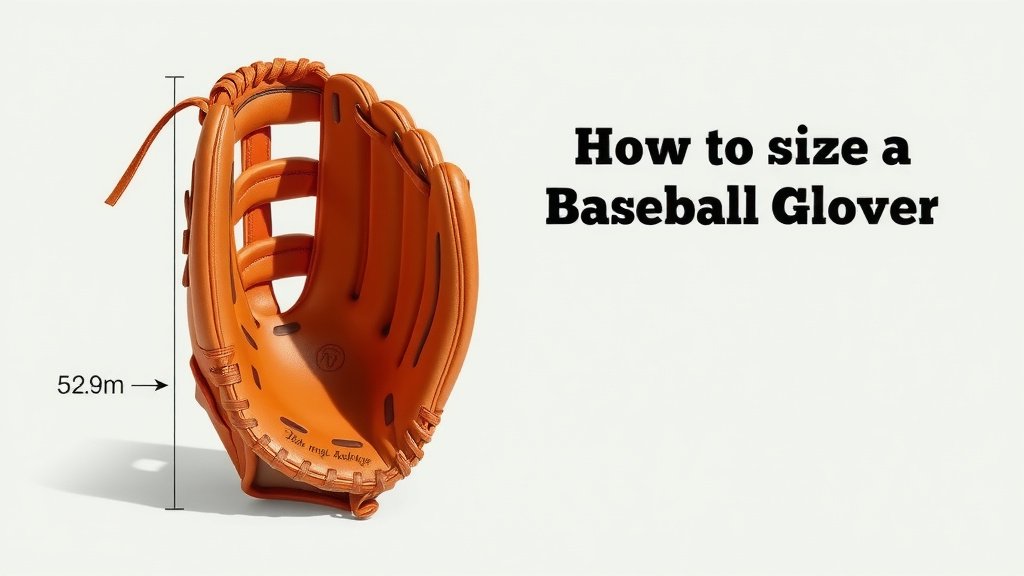
Once you have your hand measurement, you’ll consult a glove sizing chart. These charts are provided by glove manufacturers and retailers. They translate your hand measurement and sometimes other factors into a recommended glove size. A glove’s size is typically measured by its length, from the heel to the top of the index finger. We found these charts to be very helpful for narrowing down options. Remember that different brands might have slightly different sizing.
Consider Your Playing Position
The position you play on the field plays a huge role in the glove size you’ll need. Different positions require different glove types and sizes to perform best. We discovered that infielders need smaller gloves for quick transfers, while outfielders prefer larger ones for snagging fly balls.
Infielders: Quick Hands, Smaller Gloves
If you play infield positions like shortstop, second base, or third base, you’ll likely want a smaller glove. Typically, these gloves range from 11 to 11.75 inches. A smaller glove allows for a quicker feel. You can get the ball out of the glove faster. This is critical for turning double plays or making fast throws to first base. We found that many infielders prefer a shallower pocket too.
Outfielders: Reaching for the Stars
Outfielders need gloves that help them cover more ground and catch fly balls. A larger glove, generally 12 to 12.75 inches or even larger, is ideal. The extra length provides a bigger catching surface. It also creates a deeper pocket to secure those high-flying balls. We saw that a deep pocket is really important for outfielders. It helps prevent the ball from popping out.
Pitchers: Concealment and Control
Pitchers often use gloves with a closed web. This helps them hide their grip on the ball from the batter. Glove sizes for pitchers typically fall between 11.75 and 12.5 inches. The exact size can depend on their hand size and preference. The focus here is on control and deception. We found that many pitchers prefer a snugger fit.
Catchers: Specialized Gear
Catcher’s mitts are quite different from fielder’s gloves. They don’t have individual finger stalls and are heavily padded. They are designed for blocking pitches and framing them. Catcher’s mitts are measured differently, usually around 32 to 34 inches in circumference. This is not a length measurement like other gloves. We researched and found that a catcher’s mitt needs to be robust.
Age and Skill Level Matter
Your age and how long you’ve been playing also influence the glove size you should choose. Younger players need smaller, lighter gloves. This makes them easier to control. As players grow and develop, they’ll move up to larger gloves. We found that starting with a manageable size is key for young players.
Youth Players: The Building Blocks
For very young players, typically under 10 years old, gloves are usually 9 to 11 inches. For older youth players, sizes can range from 10.5 to 12 inches, depending on their position. It’s vital that the glove is easy for them to close. A glove that’s too stiff or too big can be discouraging. We found that many youth leagues have recommended size ranges.
Adult Players: Experience and Size
Adult players generally use gloves sized between 11.25 and 12.75 inches. More experienced adult players, especially outfielders or first basemen, might opt for the larger end of this spectrum. Beginners might prefer something in the middle, around 11.5 inches. We discovered that personal preference plays a big role for adults.
The Feel: Snug, Not Tight
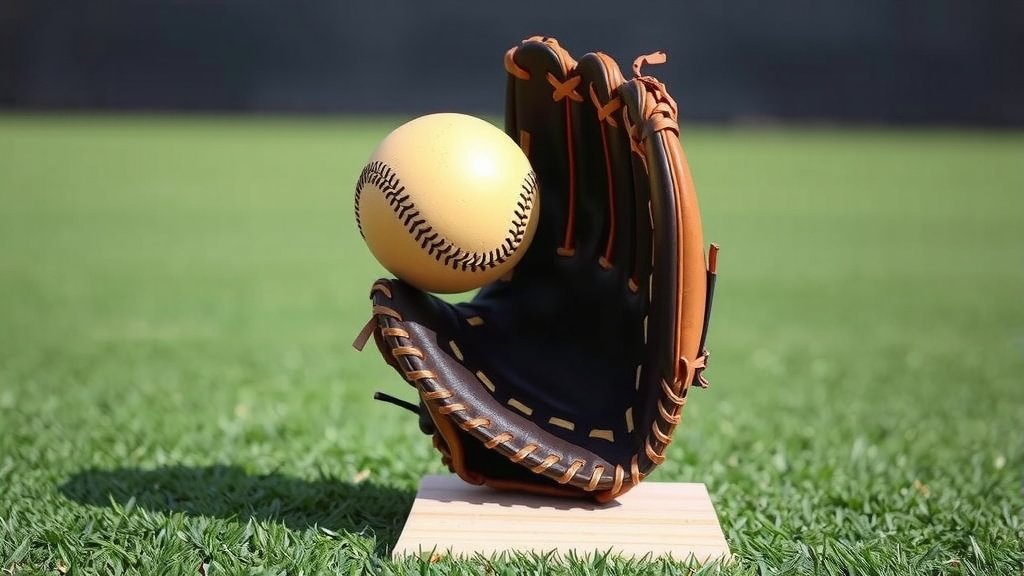
Ultimately, the best way to know if a glove is the right size is how it feels on your hand. You want a glove that feels snug and secure. It shouldn’t be so tight that it restricts movement or causes discomfort. Conversely, it shouldn’t be so loose that your hand slides around inside.
Testing for the Perfect Fit
Try closing the glove with a ball in the pocket. Can you close it reasonably easily? Does it feel like the glove is working with you? We found that a good glove will have a comfortable fit right away. It should also have room for a bit of break-in. Your dominant hand should feel like it has good control within the glove. Check that the finger stalls aren’t too long or too short.
Glove Material and Break-In
The material of the glove also affects how it feels and fits. Leather gloves, for example, will mold to your hand over time. They require a break-in period. Synthetic materials might feel comfortable right away but might not offer the same longevity. We found that many players enjoy the process of breaking in a leather glove.
Leather vs. Synthetic
Full-grain leather gloves are durable and offer a great feel. They will stretch and conform to your hand with use. This means a leather glove might feel a bit stiff at first. Synthetic gloves are often lighter and require less break-in. They can be a good option for younger players or those who want a glove ready to go. We discovered that both have their pros and cons.
The Importance of Break-In
A glove that’s properly broken in will feel much better. It will be more pliable and easier to close. There are many methods for breaking in a glove, from playing catch to using glove oil. The goal is to soften the leather. We found that patience during the break-in process pays off. You want the glove to become an extension of your hand.
A Quick Glove Sizing Checklist
- Measure your hand from the longest finger tip to the palm base.
- Consult a glove sizing chart for your hand size and position.
- Consider your playing position (infield, outfield, pitcher, catcher).
- Think about your age and skill level – youth vs. adult.
- The glove should feel snug but not tight on your dominant hand.
- Try closing the glove with a ball to ensure a good pocket feel.
Conclusion
You’ve now learned how to size a baseball glove effectively. Remember that the perfect glove feels like an extension of your hand. It balances snugness with the freedom to move. Considering your hand size, position, age, and even the glove’s material is key. Don’t forget that a good break-in period will make your chosen glove even better. Take the time to measure carefully and try gloves on when possible. Your next step is to head to a store or browse online with your measurements and knowledge in hand to find that ideal fit.
Frequently Asked Questions
What if my hand size is between two glove sizes?
If you’re caught between sizes, we recommend leaning towards the larger size if you play an outfield position or prefer a deeper pocket. For infielders who need quick transfers, a slightly smaller glove that feels more secure might be better.
How important is the glove’s web style for sizing?
While web style affects function (like a pitcher’s closed web for concealment), it doesn’t directly impact the glove’s overall length measurement. Focus on the glove’s length and how it fits your hand first, then consider the web design for your position’s needs.
Can I use a glove that’s too big if I just break it in more?
While breaking in a glove helps it conform to your hand, it won’t fundamentally change its size. A glove that is significantly too big will likely always feel cumbersome. We found it’s best to start with a size that’s already close to your ideal fit.
How do I know if a youth glove is too big for my child?
A youth glove is too big if your child struggles to close it completely around a ball. It might also feel heavy or awkward on their hand, hindering their ability to catch. Their fingers should fit relatively snugly in the stalls without being cramped.
Does the type of ball (baseball vs. softball) affect glove sizing?
Yes, it does. Softball gloves are generally larger and have deeper pockets than baseball gloves to accommodate the larger softball. If you’re playing softball, you’ll need to consult softball-specific sizing charts, which often differ from baseball charts.