Choosing the Right Baseball Glove: A Buyer’s Guide
Choosing the right baseball glove is all about finding the perfect fit for your hand and position. You need to consider the glove’s size, material, and how it will be used on the field. Getting this right makes a big difference.
A well-chosen glove feels like an extension of your own hand. It helps you make plays with more confidence. We’ve researched what makes a glove work best for different players and situations. It’s more than just grabbing the first one you see.
- Size matters for comfort and control.
- Material impacts feel and durability.
- Glove type depends on your playing position.
- Break-in time is part of the process.
Ready to find the glove that’s perfect for you? Let’s walk through exactly how to choose one, step by step.
Finding Your Perfect Baseball Glove Match
Picking the right baseball glove feels like choosing a trusty sidekick for the field. You want something that fits just right and helps you make those game-saving plays. We’ve looked into what makes a glove truly great. It’s about finding the best tool for your specific needs on the diamond.
Think of it like this: a runner needs shoes designed for speed, and a swimmer needs goggles that cut through the water. Your glove needs to be just as specialized for baseball. Let’s get you set up with a glove that feels like it was made just for your hand.
Glove Size: More Than Just a Number
The first thing to think about is glove size. This isn’t just about your hand size. It’s also about the position you play and your age. A glove that’s too big will feel clumsy. A glove that’s too small might not offer enough protection or pocket depth.
Youth Gloves: Growing Up Fast
For younger players, glove size is especially important. Kids’ hands are still growing. We found that most youth gloves range from 9 to 11 inches. It’s often a good idea to go with a size that’s a bit larger than they think they need. This gives them room to grow. Always check the manufacturer’s sizing chart. It’s a helpful guide for picking the right fit as they develop.
Adult Gloves: Finding Your Position
Adult gloves start around 11 inches and go up to 13 inches or more. The position you play is a big factor here. For instance, an infielder might prefer a smaller glove. This allows for quicker transfers from glove to throwing hand. Outfielders often want a larger glove. This helps them catch fly balls with ease.
Infielder’s Glove Needs
Infielders need to scoop up ground balls quickly. They also need to throw fast. Smaller gloves, often around 11 to 11.75 inches, help with this. A shallow pocket is also common. It speeds up the process of getting the ball out. Many infielder gloves have an open web. This lets dirt and debris fall through.
Outfielder’s Glove Needs
Outfielders cover a lot of ground. They need to catch fly balls, sometimes with one hand. Gloves in the 12.5 to 13-inch range are popular. A deeper pocket is beneficial here. It helps secure the ball. Closed web designs are also common. They prevent the ball from being seen through the glove, which can sometimes make a batter’s job easier (though less relevant for fielders).
Catcher’s Mitt vs. First Baseman’s Mitt
These gloves are quite different. Catchers wear a mitt, which has no fingers. It’s designed to absorb the impact of fast pitches. First basemen also use a mitt. It’s longer and has more padding. This helps them snag errant throws from infielders. These specialized mitts don’t follow the same inch measurements as fielders’ gloves. Always check the specific design for these positions.
Measuring Your Hand for the Best Fit
While position and age are key, let’s talk about measuring. You can get a rough idea by measuring your hand. Place your hand flat on a piece of paper. Trace around your fingers and palm. Then, measure from the tip of your middle finger to the base of your palm. Add about 1 to 1.5 inches to this measurement. This gives you a general idea of glove length. However, trying gloves on is always the best approach.
Glove Materials: Leather vs. Synthetic
The material of your glove really impacts its feel and how long it lasts. Most gloves are made from either leather or synthetic materials. Each has its own pros and cons.
Leather Gloves: The Traditional Choice
Leather is the classic choice for a reason. It’s durable and molds to your hand over time. We found that different types of leather offer varying levels of quality and feel. Full-grain leather is top-notch. It’s strong and will last for many seasons. It does require a longer break-in period. Top-grain leather is also good. It’s a bit softer than full-grain. It might not last quite as long. Genuine leather is a more affordable option. It’s often less durable than the others. It may also take longer to break in properly.
Synthetic Gloves: Lighter and Quicker Break-in
Synthetic gloves, often made from vinyl or polyurethane, are lighter. They usually come pre-broken-in. This means you can often use them right out of the box. They are also typically more affordable than leather gloves. The downside? They don’t mold to your hand as well. They may not be as durable over the long haul. For younger players or those just starting out, a synthetic glove can be a great option.
Glove Webbing: The Pocket’s Key Feature
The webbing between the thumb and index finger is called the “web.” This part of the glove is crucial for creating a good pocket. The pocket is where you catch the ball. Different web styles serve different purposes.
- Closed Web: Often seen on pitcher’s and outfielder’s gloves. It helps hide the ball from the batter until the throw is made.
- Open Web: Common in infielders’ gloves. It allows for quicker ball transfer and can help with visibility on ground balls.
- I-Web: Very popular for infielders. It’s flexible and helps with scooping.
- H-Web: Another common infielder web. It offers good flexibility and a nice pocket depth.
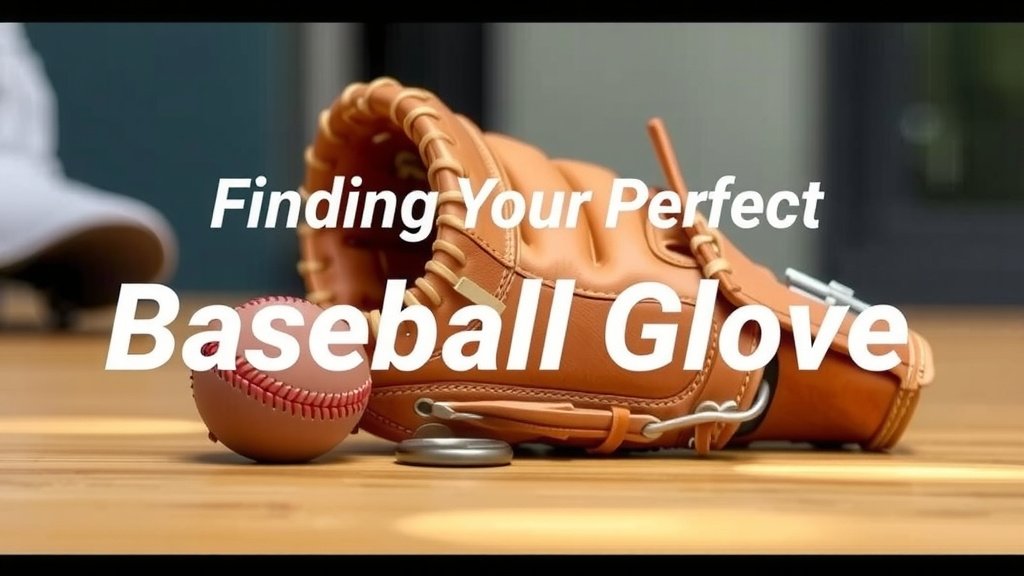
Breaking In Your New Glove: Patience Pays Off
Almost every new glove needs a break-in period, especially leather ones. This process softens the material and shapes it to your hand. It makes the glove easier to close and more comfortable. We’ve seen many methods, but some are more effective than others.
Common Break-In Techniques
Many players use glove oil or conditioner. Applying this softens the leather. Then, they pound the pocket of the glove. This helps shape it. Another common trick is to store the glove with a baseball inside. This helps maintain the pocket shape. Some people even put a book on top. Finally, just playing catch is one of the best ways to break in a glove. The more you use it, the better it will become.
What to Avoid During Break-in
Resist the urge to bake your glove. While some people suggest this, it can actually dry out and damage the leather. This can make it brittle. It’s much better to let time and natural use do the work. It might take a week or two, or even longer for some gloves, but the result is worth it. A properly broken-in glove feels like an extension of your own arm.
Checklist for Choosing Your Glove
Ready to make your choice? Here’s a quick checklist to guide you:
- Does the glove fit snugly without being too tight?
- Is the size appropriate for your age and position?
- Does the material feel right for you (leather or synthetic)?
- Is the webbing suitable for how you’ll use the glove?
- Can you easily close the glove around a ball?
- Does it feel comfortable and offer good protection?
Conclusion
You’ve learned a lot about finding your ideal baseball glove. Remember, it’s a personal journey. Size, material, and position all play a role. A well-chosen glove will boost your confidence. It will feel like a natural extension of your hand. Don’t rush the process. Take your time to try on different options.
Your next step is to visit a baseball store. Measure your hand and think about your playing style. Try on several gloves. See how each one feels. With this knowledge, you’re ready to find a glove that helps you play your best. Happy hunting for your perfect glove!
Frequently Asked Questions
How do I know if a baseball glove is the right size for me?
You’ll know it’s the right size if it fits snugly but comfortably. You should be able to close the glove around a ball without too much strain. Your hand should not feel cramped. Always check manufacturer sizing charts, but trying them on is best.
What’s the difference between a youth glove and an adult glove?
Youth gloves are generally smaller and designed for growing hands, typically ranging from 9 to 11 inches. Adult gloves start around 11 inches and go up, offering larger sizes for different positions. The main difference is sizing and intended user age.
Should I choose a leather or synthetic baseball glove?
Leather gloves are more durable and mold to your hand over time, offering a superior feel for serious players, but require break-in. Synthetic gloves are lighter, often pre-broken-in, and more affordable, making them great for beginners or casual play.
How long does it take to break in a new baseball glove?
Break-in times vary greatly depending on the glove’s material and construction. Leather gloves can take anywhere from a couple of weeks to over a month of consistent use. Synthetic gloves usually require very little to no break-in time.
Why do infielders and outfielders need different types of gloves?
Infielders need smaller gloves with shallow pockets for quick ball transfers to their throwing hand. Outfielders prefer larger gloves with deeper pockets to help secure fly balls. The webbing also differs, with infielders often using open webs for visibility and speed.