How to Read a Pitcher: A Baseball Pitcher’s Guide
Reading a pitcher is all about picking up on small tells and patterns to predict their next pitch. You can learn to tell what’s coming by watching their grip, body language, and tendencies. It’s a skill that takes practice, but it can seriously boost your chances at the plate.
Understanding a pitcher’s habits isn’t just for the pros. Even amateur players can benefit from these observations. By paying close attention, you’ll be able to anticipate fastballs, recognize change-ups, and even spot curveballs before they’re thrown. It’s like having a secret weapon at bat.
- Watch the pitcher’s grip on the ball.
- Notice their windup and release point.
- Observe their body language before the pitch.
- Look for repeated patterns in their sequence.
Let’s break down how you can start reading pitchers like a book, right from your spot in the batter’s box.
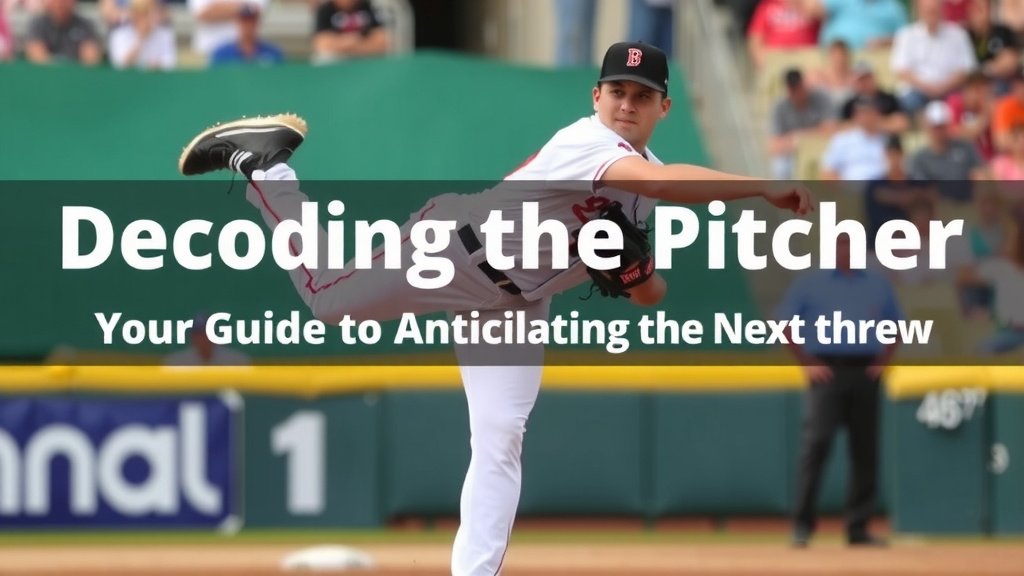
Decoding the Pitcher: Your Guide to Anticipating the Next Throw
Learning to read a pitcher is a skill that separates good hitters from great ones. It’s about observing and interpreting subtle clues. You’re not just waiting for the ball; you’re trying to understand the pitcher’s plan. This guide will help you pick up on those tells.
The Grip: A Pitcher’s Secret Handshake
The way a pitcher holds the ball can tell you a lot. Different grips create different pitches. It’s like a secret handshake only you, the batter, can decode.
Fastball Grip Clues
For a fastball, the grip is usually straightforward. You’ll often see four fingers spread across the seams. The thumb will be on the underside, also across seams. This grip allows for maximum velocity and a straight trajectory. Keep an eye out for this common setup; it’s your first signal for a heater.
Breaking Ball Grip Indicators
Breaking balls like curveballs and sliders have different grips. A curveball might involve a firmer grip, with the middle finger along the seam. Some pitchers might use a knuckle-curve, tucking their knuckle into the ball. For sliders, you might see the index and middle fingers closer together, sometimes creating a ‘C’ shape. These grips often look a bit more strained or deliberate.
Change-Up Tells
The change-up is designed to look like a fastball out of the hand but slow down considerably. Pitchers often achieve this with a grip that sinks deeper into their palm. They might use more fingers, like a circle change (thumb and index finger forming a circle) or a palm ball. The hand might look more “dead” or relaxed on the release. You might also notice a little extra effort in their arm swing, trying to make it look like a fastball.
The Windup and Release Point: Motion Tells
A pitcher’s entire motion, from the windup to the release, can reveal their intentions. The mechanics are key to disguise, but patterns emerge.
Consistency in the Windup
Many pitchers try to make their windup look the same for every pitch. This helps them hide the ball effectively. However, subtle differences can give things away. Some might have a slightly different leg kick for off-speed pitches. Others might pause a fraction longer before delivering a breaking ball. You’re looking for deviations from their normal routine.
The Release Point is Critical
The release point is perhaps the most telling physical cue. For fastballs, the arm tends to come through a higher, more consistent slot. Breaking balls often have a slightly lower or more extended release point. This extra extension allows the pitch to “break” late. A change-up might have a release point that feels similar to a fastball but the ball simply doesn’t come out with the same velocity. Many experts say focusing on the elbow and wrist at release is vital (Baseball Savant data analysis).
Body Language: The Unspoken Clues
Even before they grip the ball, a pitcher’s body language can offer hints. It’s about the tension, the focus, and the post-release reactions.
Pre-Pitch Tension
You might notice an increase in tension in a pitcher’s shoulders or neck when they are throwing a breaking ball or a change-up. They might be concentrating harder to make sure the pitch has the desired movement or deception. A fastball might be thrown with more of a relaxed, powerful motion. It’s not a huge difference, but enough to notice over time.
Post-Release Reactions
Watch what happens after the ball leaves the pitcher’s hand. If they instinctively watch the ball intently as it leaves their glove, it could signal a pitch they’re really trying to sell. A quick glance towards home plate after a fastball might be more common. Some pitchers have distinct follow-throughs for different pitches. This is advanced observation, but it can pay dividends.
Pitching Sequences and Tendencies: The Mental Game
Pitchers have favorite sequences and tendencies based on the count, the situation, and how batters are performing. Learning these patterns is like getting inside their head.
Count-Based Tendencies
What does a pitcher throw when they’re ahead in the count (e.g., 0-2, 1-2)? Often, it’s a pitch to make you chase, like a breaking ball or a change-up on the edge. When they’re behind (e.g., 0-1, 0-2), they might lean on their fastball to get back into the count. Research suggests that pitchers often rely on their out-pitch in hitter’s counts (MLB coaching philosophies).
Situational Tendencies
Are they a pitcher who likes to throw a first-pitch strike? Do they go to their best pitch in a 3-2 count? Consider the runners on base, the score, and how many outs there are. Some pitchers have a go-to pitch in clutch situations, while others try to mix it up to avoid predictability. You’ll find that pitchers often become more predictable in high-pressure moments.
Tendencies Against You
If you’ve faced the pitcher before, recall what they threw you in certain counts or situations. Did they try to blow you away with fastballs? Did they try to get you to chase a curveball? Keeping a mental (or even physical) notebook of these encounters is incredibly useful. This personal history is a direct line to their habits against you specifically.
Putting It All Together: Your Batter’s Checklist
Reading a pitcher is a combination of keen observation and pattern recognition. Here’s a quick checklist to help you on your next at-bat:
- Grip: Does it look like a fastball, breaking ball, or change-up?
- Windup: Is their motion consistent, or are there subtle differences?
- Release Point: Does their arm slot and extension suggest a specific pitch?
- Body Language: Are they tense or relaxed? How do they follow through?
- Count & Situation: What pitch are they likely to throw given the count and game scenario?
- Past Experience: What have they thrown you before in similar situations?
Conclusion
Mastering how to read a pitcher is a game-changer for any hitter. You’ve learned that paying attention to a pitcher’s grip, subtle changes in their windup and release point, and their overall body language can give you an edge. Don’t forget about their tendencies based on the count and situation; these mental cues are just as important as the physical ones. Start implementing these observation skills in your next at-bat. Focus on one or two tells at a time, and you’ll see your ability to anticipate pitches improve.
Frequently Asked Questions
How much can reading a pitcher really help my batting average?
Research suggests that even small improvements in pitch prediction can lead to better timing and more solid contact. This can translate to a higher batting average over time as you make better decisions at the plate.
Is it possible to see a pitcher’s grip clearly from the batter’s box?
It can be challenging, especially with high-velocity pitchers. Focus on the general hand position and finger spread rather than the exact placement. Sometimes, even a slight difference in how they hold the ball is enough of a clue.
Should I focus on body language more than the grip?
Both are important, but they offer different information. The grip is more direct about the type of pitch. Body language and release point deviations can confirm or hint at off-speed or breaking pitches. Use them together.
What if a pitcher has no obvious tells?
Some pitchers are very good at disguising their pitches. In these cases, lean more heavily on understanding their pitching sequences and tendencies. Knowing what they like to throw in specific counts becomes your best weapon.
How long does it take to get good at reading pitchers?
Like any skill, it takes consistent practice. Don’t get discouraged if you don’t see results immediately. Keep observing, keep thinking, and you’ll gradually get better at picking up on those subtle clues.