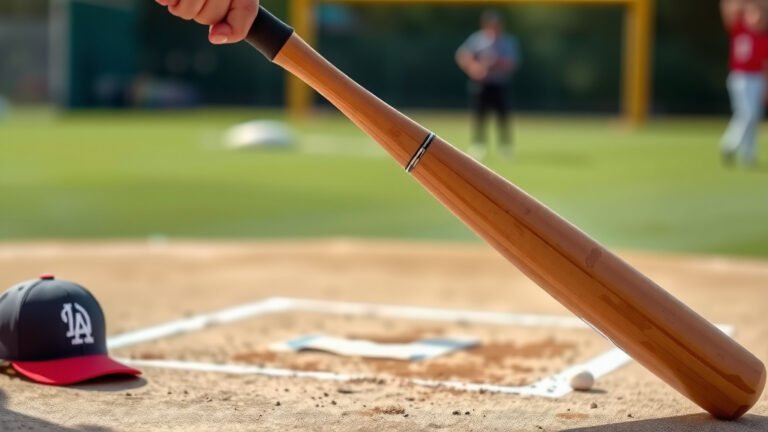

Boost Your Batting Average: Proven Tips
Want to hit more consistently and see your batting average climb? You can improve your batting average by focusing on a few key areas. This often involves refining your swing mechanics, improving your pitch recognition, and developing a solid mental approach at the plate. We found that small tweaks can make a big difference.
Many players struggle with inconsistent hitting. You might feel frustrated when you’re not making solid contact. Improving your batting average means working on how you see the ball and how your body moves. It’s about making smarter choices on what pitches to swing at. We found that dedicated practice on these fundamentals is key. Many experts say focusing on consistent contact is more important than power hitting for raising your average.
- Focus on solid swing mechanics.
- Learn to recognize pitches better.
- Develop a strong mental game.
- Practice consistently.
Let’s walk through exactly how you can start improving your batting average today.
Boosting Your Batting Average: A Practical Guide
Improving your batting average is all about making consistent contact with the ball. We found that focusing on a few core principles can lead to noticeable gains. It’s less about hitting it out of the park every time and more about finding the barrel consistently. Many players want to see that number go up, and it’s achievable with the right approach.
Refining Your Swing Mechanics
Your swing is the engine of your offense. Making it more efficient is key. We found that even small adjustments can make a big difference in how often you make solid contact.
The Importance of a Stable Base
Think of your stance as the foundation of a house. If it’s wobbly, the whole structure is at risk. We found that a balanced and stable base helps you generate power and control. Your feet should be about shoulder-width apart, or a bit wider, depending on what feels comfortable and grounded.
Consider your weight distribution. You want to feel balanced, with about 50% of your weight on each foot. Avoid leaning too far forward or backward. This allows you to move efficiently towards the pitch. Many coaches stress that a stable base is where consistent hitting begins.
Optimizing Your Bat Path
The path your bat takes to the ball is critical. We found that a level or slightly upward bat path often leads to more solid contact. This path allows you to hit the ball out in front of the plate. It also helps you drive through the ball effectively.
Imagine swinging through the ball, not just at it. Think about extending your arms through contact. Many experts suggest practicing swings where you focus on a consistent, repeatable path. This helps you meet the ball squarely more often.
The Role of Your Hands
Your hands are the primary drivers of the bat. We found that keeping your hands back and letting them work through the zone is important. Think of them as being in a good “launch position” before you initiate your swing.
Avoid “casting” the bat, where your hands get too far away from your body early in the swing. This can lead to a long, loopy swing. Many drills focus on keeping your hands inside the ball. This helps you make contact more consistently.
Improving Pitch Recognition
Seeing the ball well is half the battle. We found that better pitch recognition means swinging at pitches you can hit well.
Tracking the Ball from the Pitcher’s Hand
Start watching the ball as soon as it leaves the pitcher’s hand. We found that this early tracking is crucial for deciphering the pitch type and location. Don’t wait until the ball is halfway to the plate.
Focus on the pitcher’s release point. What do you see from there? Is the ball coming in high, low, inside, or outside? Many coaches use drills that emphasize this early visual tracking. It’s like reading a book from the first page.
Understanding Pitch Types and Locations
Learn to identify the different pitches. Fastballs, curveballs, changeups – they all have unique spins and speeds. We found that knowing what to expect helps you adjust your timing and swing plane.
Pay attention to the pitcher’s tendencies. Do they always throw a curveball with two strikes? Do they pound the fastball inside? We found that understanding these patterns can give you an edge. Many experienced hitters develop a feel for different pitches just by watching.
Developing a Strong Mental Approach
Baseball is as much a mental game as a physical one. We found that a confident and focused mindset can significantly impact your performance.
Staying Confident After an Out
Every hitter strikes out. It happens. We found that the key is not letting one bad at-bat turn into two. Don’t dwell on the last out. Focus on the next pitch.
Think about what you can control: your approach, your preparation, and your effort. Many players find that a simple routine, like taking a few deep breaths between pitches, can help reset their focus. It’s like shaking off a mistake on the football field.
Having a Plan at the Plate
Don’t just step into the box and hope for the best. We found that having a basic plan for each at-bat is essential. What pitch are you looking for? Where do you want to hit the ball?
This doesn’t mean you have to be rigid. Be ready to adjust if the pitcher throws something unexpected. But having a starting point helps you be more decisive. Many successful hitters have a “go-to” pitch they look for early in the count.

Practice Smart, Not Just Hard
Consistent practice is vital, but it needs to be purposeful. We found that focusing your drills on your specific needs yields the best results.
Simulated Games and Live At-Bats
Tee work and soft toss are great for mechanics. However, nothing fully prepares you for live pitching. We found that incorporating live batting practice is crucial for improving pitch recognition and timing.
Try to replicate game situations. Have a pitcher throw to you with runners on base. This adds pressure and forces you to make decisions. Many players find that these live at-bats are the most telling and productive practice sessions.
Using Video Analysis
Seeing yourself swing can be incredibly revealing. We found that video analysis helps you identify flaws in your mechanics that you might not feel. Many amateur players use smartphones for this now.
Compare your swing to professionals or to your own successful swings. Are your hands in the right spot? Is your bat path consistent? We found that coaches often use video to pinpoint areas for improvement. It’s like having an objective set of eyes on your swing.
Putting It All Together: Your Checklist for Success
Ready to start seeing that batting average climb? We found that focusing on these actionable steps will put you on the right path.
- Work on a stable and balanced batting stance.
- Focus on a level or slightly upward bat path.
- Practice tracking the ball from the pitcher’s hand.
- Develop a mental game plan for each at-bat.
- Get plenty of live batting practice.
- Analyze your swing on video.
Conclusion
You’ve learned that improving your batting average is well within your reach. It’s not about luck; it’s about focused effort on your swing mechanics, how you read pitches, and your mindset at the plate. We found that consistent, quality practice makes all the difference. Don’t get discouraged by a few bad games. Keep refining your stance, your bat path, and your approach to each pitch. Your next step is to identify one area from this guide to focus on during your very next practice session. Start small, stay consistent, and watch your average climb.
Frequently Asked Questions
How quickly can I expect to see my batting average improve?
Improvements vary depending on your current skill level and the consistency of your practice. We found that players who diligently apply these techniques often see noticeable changes within a few weeks to a couple of months. Focus on the process, and the results will follow.
Is it better to focus on hitting line drives or ground balls for a higher average?
For a higher batting average, your focus should be on making solid contact, which often results in line drives. We found that line drives tend to fall for hits more frequently than ground balls, which can be fielded for outs. Aim to hit the ball out in front of the plate with a level swing.
What’s the best way to practice pitch recognition without a live pitcher?
You can use video analysis of pitchers or specialized apps designed for pitch recognition drills. We found that watching high-speed video of different pitches can help you train your eye. Even taking practice swings in front of a mirror while imagining different pitches can be beneficial.
Should I change my stance if I’m not hitting well?
Sometimes a stance adjustment can help, but it’s not always the first solution. We found that ensuring you have a stable and balanced base is more critical than the exact width of your feet. If you feel consistently off-balance, a small tweak to your stance might be worth trying, but always consult a coach if possible.
How important is hitting for power versus hitting for average?
For improving your batting average specifically, consistent solid contact is more important than hitting for power. We found that a player who hits singles and doubles consistently will have a higher average than someone who only hits home runs but strikes out frequently. Focus on finding the barrel of the ball.