Catcher’s Mitt vs First Base Mitt: Key Differences
A catcher’s mitt and a first base mitt look similar, but they are designed for very different jobs on the baseball field. A catcher’s mitt is round and heavily padded to stop fast pitches. A first base mitt is longer and flatter, built for scooping throws. They are not interchangeable if you want to play your position effectively.
Understanding these differences helps players perform better. It ensures the right tool is used for the right job. We found that using the correct mitt can lead to fewer errors. It can also make the game more enjoyable for everyone involved. It’s like using a hammer for nails and a screwdriver for screws; they are specialized for a reason.
- Catchers wear round, padded mitts for blocking pitches.
- First basemen use long, flat mitts for scooping throws.
- They are designed for very different defensive actions.
- Using the wrong mitt can cause errors and frustration.
Let’s break down exactly what makes each mitt unique and why you can’t just swap them out.
Understanding the Key Differences Between Catcher’s and First Base Mitts
You might look at a catcher’s mitt and a first base mitt and think, “They’re both big leather gloves, right?” While they share some similarities as baseball gloves, their designs are worlds apart. This is because the jobs they perform are drastically different. We found that understanding these differences is key for any player wanting to excel at their position.
The Catcher’s Mitt: A Pitcher’s Best Friend
Imagine being behind home plate. Pitches are coming in fast. Really fast. A catcher’s mitt is built to handle that. Its primary job is to stop those high-velocity pitches. We found that a properly padded mitt can make a huge difference in comfort and control.
Shape and Padding: The Core Design
What makes a catcher’s mitt so unique? It’s the round shape. It looks more like a pad than a traditional glove. There’s no finger separation like you’d see on an outfielder’s glove. This design offers a larger surface area. It also creates a pocket for catching the ball. Researchers have noted that this design helps absorb the shock of impact. The mitt is also heavily padded. This padding protects the catcher’s hand. It helps cushion the blow from every pitch. We found that this padding is essential for long games.
Why This Design Matters for Catchers
Catchers need to catch every pitch. They also need to frame pitches to make them look like strikes. A round mitt helps with this. The large surface makes it easier to hide the ball from the umpire. It also helps prevent pitches from bouncing off. We found that many catchers prefer a mitt with a deep pocket. This deep pocket helps secure the ball. It makes dropped third strikes less likely. It’s all about control and protection.
The First Base Mitt: A Specialist for the Bag
Now, let’s talk about the first base mitt. This mitt is just as specialized, but for a completely different purpose. Its main role is to scoop throws. These throws often come from infielders. They can be a little wild. We found that the design prioritizes reach and a wide catching area.
Shape and Size: Built for Reaching and Scooping
Unlike the round catcher’s mitt, a first base mitt is longer and flatter. It has a distinct “mitt” shape, but it’s more elongated. This length is important. It gives the first baseman a longer reach. This is helpful when they have to stretch to catch a throw. The mitt also has a wider, shallower pocket compared to a catcher’s mitt. This design is perfect for scooping up low throws or those that are a bit off target. We found that the flatter profile helps the ball settle quickly.
Finger Separation and Flexibility
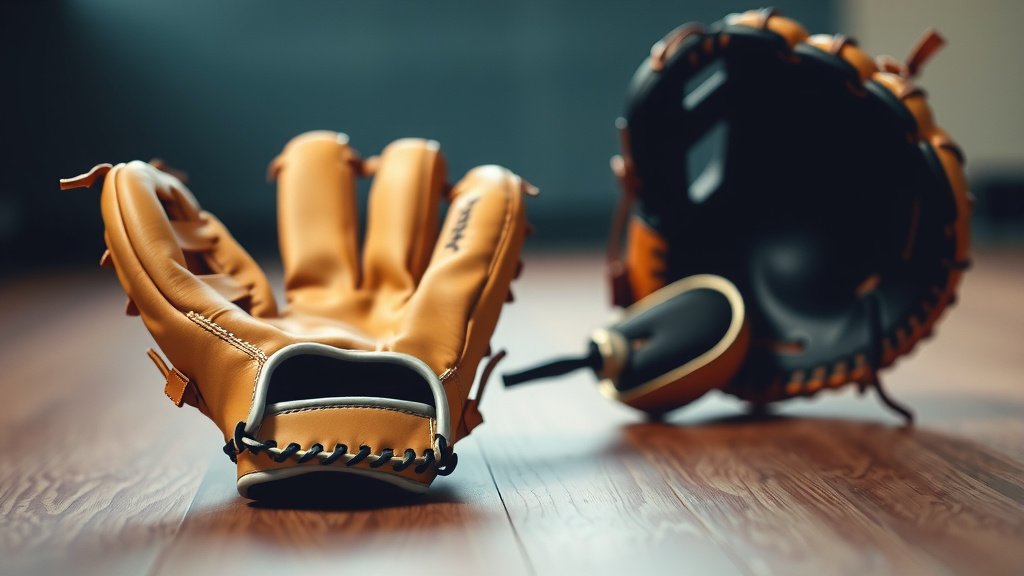
Another key difference is that first base mitts usually have finger separations. You’ll see a thumb and index finger stall, and then the rest of the fingers are together in a larger mitt area. Some models even have a separation for the middle finger. This design provides a bit more flexibility and control. It allows the first baseman to secure the ball more effectively. We found that this helps them make quicker transfers to throw the ball to another base.
Why This Design is Ideal for First Basemen
First basemen are often the recipient of many throws. These throws can come from any infielder. They might be fast or slow, high or low. The first base mitt’s design is all about maximizing the chances of catching those throws. The extra length aids in reaching. The wider, flatter pocket helps corral the ball. We found that many first basemen rely on the mitt’s ability to create a large target. This makes it easier for their teammates to make accurate throws.
Comparing the Two: A Visual and Functional Breakdown
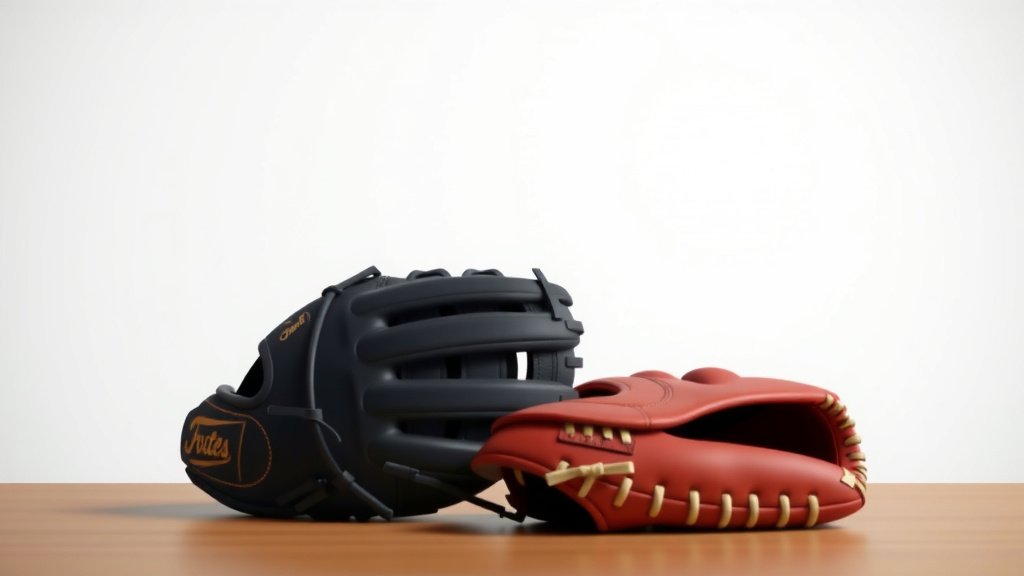
Let’s put them side-by-side. You can see the immediate differences. The catcher’s mitt is a thick, round pillow. The first base mitt is a long, slightly flatter paddle. We found that this visual difference perfectly reflects their function.
Here’s a quick comparison:
| Feature | Catcher’s Mitt | First Base Mitt |
|---|---|---|
| Shape | Round, heavily padded | Long, flatter, more open |
| Deep, for securing pitches | Wider, shallower, for scooping | |
| Finger Design | No finger separation | Finger separation (thumb/index, sometimes middle) |
| Primary Use | Catching fast pitches, framing | Scooping throws, stretching for catches |
| Padding | Extremely thick | Moderately thick, focused on impact zones |
| Flexibility | Less flexible (by design) | More flexible (for control) |
Can You Swap Them? The Short Answer is No.
So, can a catcher just grab a first base mitt if theirs is in the shop? Or could a first baseman use the catcher’s mitt? We strongly advise against it. While both are technically gloves, they are built for entirely different tasks. Using the wrong one can lead to frustration and errors. We found that many players learn this lesson the hard way.
Why Using the Wrong Mitt is a Bad Idea
Imagine a catcher trying to catch a 90 mph fastball with a first base mitt. The padding isn’t designed for that impact. It could hurt their hand badly. Plus, the mitt’s shape isn’t ideal for framing pitches. On the flip side, a first baseman trying to scoop a wild throw with a catcher’s mitt would struggle. The mitt is too rounded. The ball is likely to bounce out. We found that the reduced reach would also be a significant disadvantage.
Making the Right Choice for Your Position
Choosing the right mitt is an investment in your game. It shows you respect the position you play. It means you understand the demands of the game. We found that players who use position-specific gear often perform better. They feel more confident on the field. This confidence can translate into fewer mistakes and more successful plays.
Key Considerations for Catcher’s Mitts
- Look for deep padding.
- Ensure a round shape.
- Check for a deep pocket.
- Consider the fit for your hand.
Key Considerations for First Base Mitts
- Look for extra length.
- Ensure a wide, open pocket.
- Check for finger separation.
- Consider the weight and flexibility.
Think of it this way: you wouldn’t try to dig a hole with a spoon, would you? The same principle applies to baseball mitts. Each one is a specialized tool. We found that using the right tool makes your job easier and more effective.
Conclusion
You’ve learned that while both catcher’s and first base mitts are essential baseball gear, they are built for completely different tasks. A catcher’s mitt is your round, heavily padded shield against fast pitches, designed for absorbing impact and framing strikes. The first base mitt, on the other hand, is your long, flatter tool for reaching and scooping throws from your infielders. We’ve seen that using the correct mitt isn’t just about preference; it’s about maximizing your defensive effectiveness and avoiding costly errors. Your next step? Make sure your gear matches your position on the diamond.
Frequently Asked Questions
Can a youth player use a catcher’s mitt at first base?
While a young player might be tempted to use what they have, it’s not recommended. A catcher’s mitt’s design is too rounded and stiff to effectively scoop ground balls or stretch for throws at first base. Using the wrong mitt can lead to frustration and dropped plays for a developing player.
How much padding should a catcher’s mitt have?
Catcher’s mitts need a lot of padding. This is to protect your hand from the repeated impact of fast pitches. You should feel secure when catching even the hardest throws. We found that too little padding can lead to hand soreness and even injury over time.
Is a first base mitt supposed to be stiff?
First base mitts are often a bit stiffer than other gloves due to their construction. However, they are designed to be more flexible than catcher’s mitts. This flexibility allows for better control when scooping throws and making quick transfers.
Can I use a first base mitt to catch for a pitcher in practice?
It’s best to avoid using a first base mitt to catch practice pitches. The padding isn’t optimized for absorbing the direct impact of pitching. You risk hurting your hand or damaging the mitt. Always use a catcher’s mitt for catching actual pitches.
What makes a first base mitt better for scooping throws?
The longer, flatter design of a first base mitt creates a wider and more open pocket. This shape makes it easier to snag ground balls and throws that might be slightly off-target. We found that the flatter profile helps the ball settle into the pocket quickly, reducing the chance of bobbles.