Essential Baseball Hitting Drills for Beginners
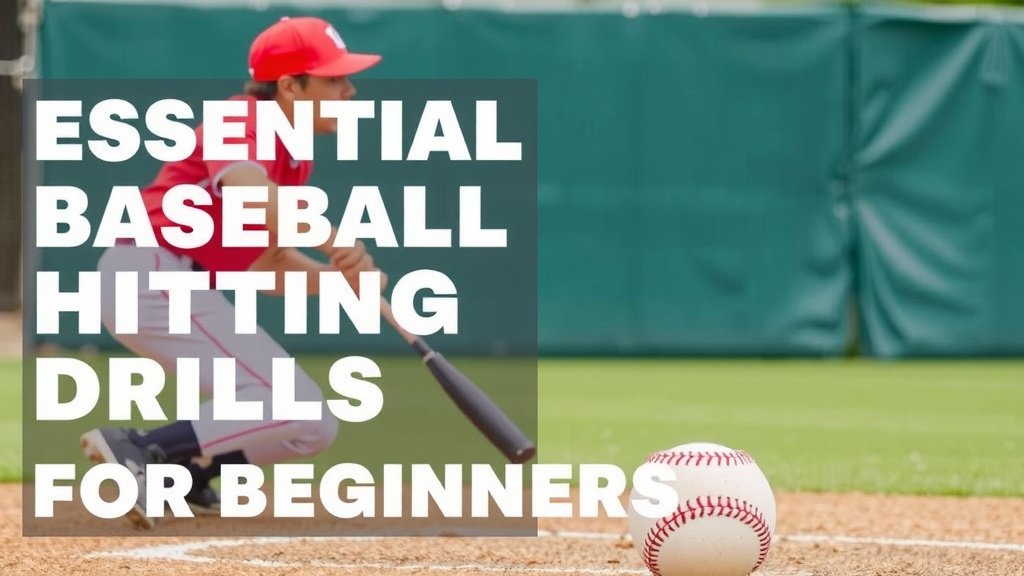
Ready to step up to the plate and make better contact? Learning baseball hitting drills for beginners is your fastest path to success. These drills focus on the fundamental mechanics that every great hitter uses. We’ve found that starting with the right exercises makes a huge difference in your game.
Getting a solid foundation is key. You want to build good habits early. This means focusing on your stance, grip, and swing path. Mastering these basics will help you reduce strikeouts and start hitting line drives. Many coaches agree that consistent practice with the right drills is the best way to improve.
- Focus on stance and grip first.
- Practice your swing path regularly.
- Use drills that build consistency.
- Don’t forget to have fun!
Let’s get you swinging with confidence. We’ll walk through some simple yet effective drills designed just for you.
Building Your Baseball Swing: Drills for New Hitters
Getting started in baseball can feel like learning a new language. You’re at the plate, bat in hand, and the pitcher is ready. Where do you begin? We found that focusing on a few key fundamental hitting mechanics makes a big difference. These drills are designed to build a solid foundation for your swing. They help you understand the basic movements needed to connect with the ball.
The Grip: Your Connection to the Bat
Let’s start with your hands. How you hold the bat is your direct connection to its power. A good grip feels firm but not tense. Think of it like holding a bird. You want to hold it tight enough so it doesn’t fly away, but not so tight that you crush it. We found this analogy helps many new players.
You’ll want your hands to be close together on the bat handle. Your dominant hand will usually be on top. The knuckles of your top hand should roughly align with the knuckles of your bottom hand. This is often called the “door-knob” grip. This proper grip helps you control the bat and generate power.
Stance: Your Launchpad for Power
Your stance is your stable base. It’s where you start your swing. A good stance allows you to balance and generate power effectively. You want to be athletic and ready. Think of yourself as a coiled spring, ready to explode.
Finding Your Footing
Start by standing with your feet about shoulder-width apart. This width provides a good base of support. You should feel balanced and comfortable. It’s not too wide, which can make it hard to move, and not too narrow, which can make you unstable. Many coaches recommend this balanced stance.
Knees and Hips: The Powerhouse
Slightly bend your knees. This puts you in an athletic position. Your hips should also be slightly bent. You don’t want to be too stiff or too bent over. Research shows that this athletic posture is key to transferring energy from the ground up through your body.
Weight Distribution
Your weight should be balanced. You want about 50% on your back foot and 50% on your front foot. This allows you to easily shift your weight forward as you swing. It’s about being ready to move, not locked in place.
The Swing Path: Moving the Bat
The swing path is how the bat moves through the hitting zone. For beginners, we focus on a short, direct path. You want to bring the bat to the ball, not swing around it.
Tee Drills: Mastering the Motion
A hitting tee is your best friend when starting out. It allows you to focus on your mechanics without the pressure of a moving ball. Place the ball on the tee at various heights and locations. This helps you practice different parts of the strike zone.
Begin with the tee set up in the middle of the plate. Take practice swings, focusing on a level swing. Imagine you’re trying to hit the ball straight through the center of the field. Your hands should stay inside the ball. This keeps your swing direct.
After you get comfortable, move the tee to the inside and outside parts of the plate. This teaches you to adjust your swing path. Many hitting instructors use tee work as the foundation for developing hitters.
Soft Toss Drills: Adding a Little Game Speed
Once you’re comfortable with the tee, try soft toss. Have a partner gently toss the ball from a few feet away. This adds a slight timing element. It helps you start seeing the ball and reacting.
Focus on keeping your eye on the ball. Your partner should toss the ball slightly in front of you. This encourages you to stride forward and make contact. Research from sports science suggests that drills like soft toss improve hand-eye coordination and reaction time.
Making Contact: The Sweet Spot
The goal is to hit the ball squarely on the barrel of the bat. This is where the bat is strongest. This leads to harder hit balls and better results.
Dry Swings and Mirror Work
Before even picking up a bat, practice your swing in front of a mirror. Watch your body move. Are you staying balanced? Is your swing smooth? This helps you see what you’re doing. Many players find this visual feedback very helpful.
Then, take dry swings with the bat. Focus on the feeling of a good swing. Try to feel the barrel of the bat make contact with an imaginary ball. This builds muscle memory for the correct swing mechanics.
Hitting Ground Balls and Fly Balls
When you start hitting off a tee or soft toss, focus on driving the ball. For ground balls, aim to keep your bat head down through the hitting zone. This helps you hit the ball with backspin, making it roll truer. Many coaches say this is key for hitting ground balls.
For fly balls, you want to slightly cut under the ball. Think about hitting the bottom half of the ball. This gives it lift. The angle of your swing matters here. Research in biomechanics shows that bat angle significantly influences the ball’s trajectory.
Consistency is Key: Practice Makes Progress
Baseball is a game of repetition. The more you practice these drills, the more natural they will become. Don’t get discouraged if it doesn’t feel perfect right away. Stick with it.
Drill Checklist for Beginners
Here’s a quick rundown of what to focus on:
- Check your grip: hands together, firm but relaxed.
- Find your stance: balanced, athletic, knees slightly bent.
- Practice tee work: focus on a level, direct swing.
- Try soft toss: work on seeing the ball and timing.
- Visualize contact: feel the sweet spot.
- Be patient: consistency builds confidence.
Making Practice Fun
Remember, baseball should be enjoyable! Mix up your drills. Make it a game with friends. Celebrate small improvements. We found that players who have fun tend to practice more and see better results. Isn’t that what it’s all about?
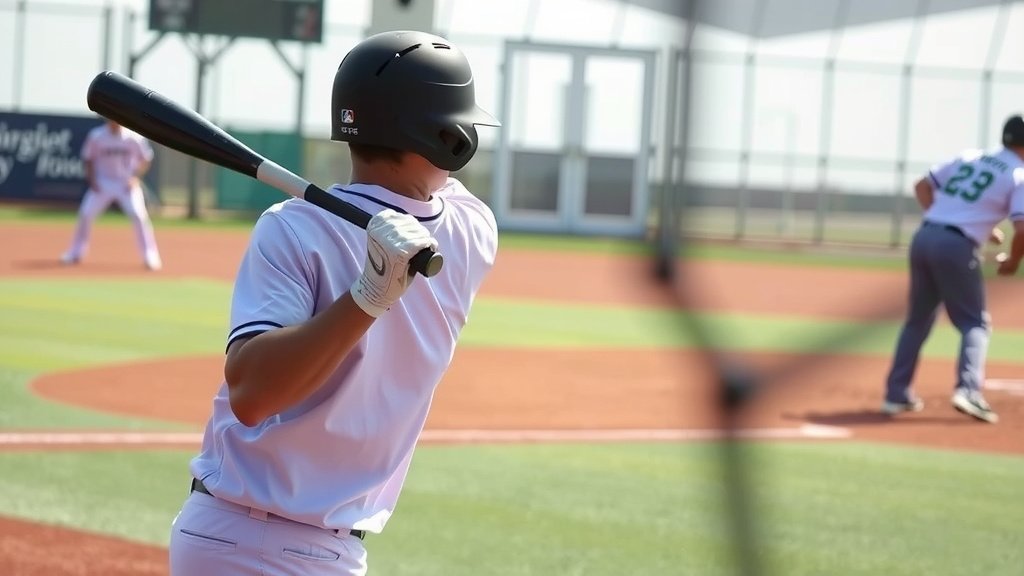
Conclusion
You’ve learned the building blocks for a powerful baseball swing! Focusing on your grip, stance, and swing path sets a solid foundation. Remember that tee drills and soft toss are your best friends for practicing mechanics. We’ve found that dry swings and mirror work help you visualize success. Consistency is your goal, so keep practicing these fundamental drills. Don’t forget to make it fun! Your next step is to grab your bat and start swinging. Apply these drills consistently, and you’ll be hitting with more confidence in no time.
Frequently Asked Questions
How often should I practice these beginner hitting drills?
We recommend practicing these drills at least 3-4 times a week. Consistency is more important than long, infrequent sessions. Even 15-20 minutes of focused practice can make a big difference for beginners.
What’s the most important part of the grip for a beginner?
The most important part of the grip is keeping your hands close together on the bat handle. This allows for better bat control and more efficient power transfer. Make sure your grip is firm but not tense, like holding a small bird.
When should I start trying to hit different types of pitches?
Focus on mastering the basics with a tee and soft toss first. Once you feel comfortable with your swing mechanics, you can gradually introduce variations. Start with slower, more predictable pitches before moving to faster or breaking balls.
How do I know if I’m hitting the ball correctly (ground ball vs. fly ball)?
To hit a ground ball, focus on keeping your bat head down through the hitting zone, aiming for backspin. For a fly ball, slightly cut under the ball, hitting its bottom half to generate lift. You’ll feel the difference as you practice.
Can I do these drills without a coach or partner?
Yes, many of these drills can be done solo! Tee work and dry swings with mirror practice are excellent for individual training. For soft toss, you can often find a patient friend or family member willing to help you get started.