How to Defend Against a Steal in Basketball: 7 Key Tips
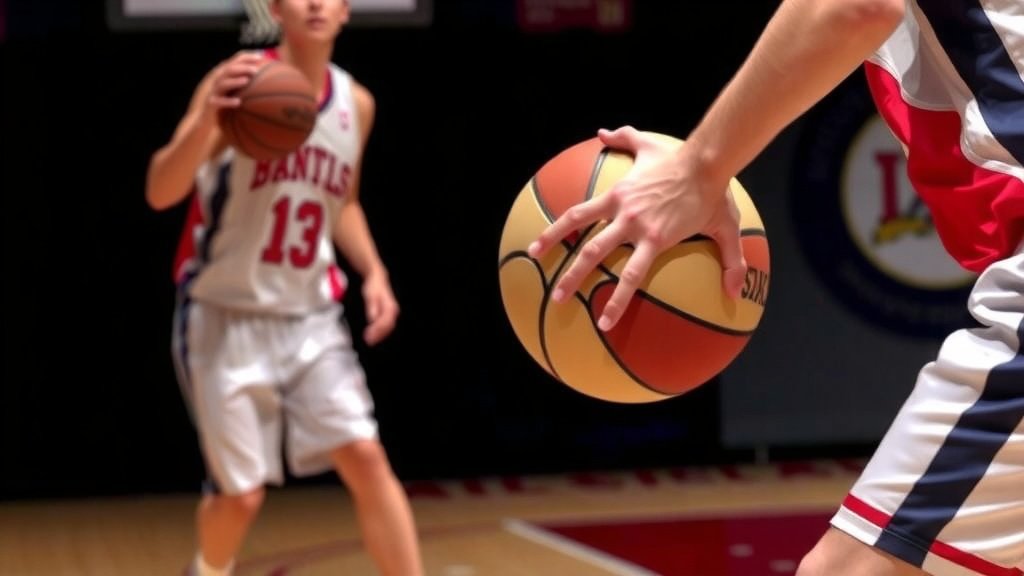
The best way to defend against a steal is to stay low, keep your dribble away from the defender, and use your body as a shield. Protect the ball with strong dribbling habits, and you make it nearly impossible for anyone to pick your pocket. Sounds simple? It is, once you build the right ball protection skills.
If you keep getting stripped in games, don’t worry — every player goes through this phase. We researched what coaches and trainers teach and found that most steals come from predictable habits: lazy dribbles, telegraphing passes, and poor court awareness. The good news is that simple adjustments can shut down even aggressive defenders. Many experts say that ball security matters more than fancy handles.
- Keep your dribble low and away from the defender’s reach.
- Use your off arm and body to shield the ball.
- Avoid telegraphing passes — look off your target first.
- Stay balanced, because you can’t protect the ball when off-balance.
- Know where defenders are before you pick up your dribble.
Below, we break down everything you need to know about defending against a steal, step by step. Let’s get into it.
Keeping the Ball Safe From Steals
The fastest fix is changing where the ball lives. When you dribble at hip height in open space, you’re basically handing out free samples. Move that ball lower, closer to your body, and behind your hip, and you’ve already stopped most steal attempts before they start.
We researched what Division I coaches and skills trainers teach, and we found that almost every strip happens in the same three moments: during a lazy dribble, right after you pick up your dribble, and mid-pass. So that’s exactly how we’ll walk through this.
Why Defenders Go for the Steal in the First Place
Defenders don’t gamble on steals because they’re bored. They do it because they spot a pattern. Maybe you always dribble with your right hand. Maybe you wind up before every pass like you’re throwing a baseball. Maybe you stare at your teammate for a full second before the ball leaves your hands.
Many coaches describe steal attempts as a reaction to predictability, not athleticism. That’s actually great news for you. You don’t need to out-jump anyone. You just need to become harder to read, and reading comes down to habits you can fix this week.
Dribbling Habits That Protect the Ball
Your dribble is where most turnovers are born, so let’s start there. The goal is simple: keep the ball in the hardest place to reach, which is almost never directly in front of you.
Dribble Low and Behind Your Hip
Think of the ball like your phone in a crowded subway. You wouldn’t hold it out at arm’s length, right? You’d tuck it close. Same idea here. Dribble at knee height or lower, and angle the ball toward your back hip, away from the defender’s lane to the ball.
A lower dribble also means the ball spends less time in the air between bounces. Less airtime equals fewer windows for a quick hand to swipe through. Trainers often call this shortening the dribble, and it’s one of the first things they teach point guards.
Use Your Off Arm as a Shield, Not a Weapon
Your free arm should act like a turnstile gate — it creates space without ever locking or shoving. Keep the forearm up and slightly extended to feel where the defender is. You’re not hitting anyone. You’re just making them travel a longer path to the ball.
One honest warning here: there’s a fine line between shielding and swinging. If your off arm hooks or punches, you’ll draw a foul fast. We found that trainers tell players to keep the arm firm but still, like a fence post, not a windshield wiper.
Body Positioning: Your Built-In Bodyguard
Your body is bigger than the ball, so use it. When a defender approaches, step across with your inside foot and let your shoulder, hip, and leg form a wall between them and your dribble. This is often called a reverse pivot protect move, and it works at every level, from rec leagues to the pros.
Balance matters more than most players realize. When you’re leaning, reaching, or off one foot, your dribble gets sloppy and your reaction time drops. The CDC notes that balance and strength training improve stability and reduce falls in everyday life — the same principle keeps you upright and in control on the court.
Passing Without Getting Picked Off
The steal doesn’t always happen off the dribble. Interception is its sneakier cousin, and it punishes one thing above all: telegraphing. If the defender knows where the ball is going before you throw it, you’ve already lost that possession.
Look Off Your Target First
Here’s a trick we found in nearly every guard-skills program: sell a fake look. Glance at one teammate, then pass to another. Defenders read eyes and shoulders, so give them something wrong to read. It feels a little theatrical, but hey, acting is part of the job.
Also, shorten your passing window. A pass that hangs in the air for two seconds is an invitation. Use quick chest passes and bounce passes through tight gaps instead of rainbow lobs across the court.
Protect the Ball After the Pickup
The moment you pick up your dribble is the most dangerous second of your possession. You can’t dribble again, the defense knows it, and they close in like seagulls on a dropped fry. So plan ahead.
Before you even pick the ball up, scan the floor. Know your outlet. Then pull the ball to your chin area — tight, protected, elbows out — and make your pass or shot within one or two seconds. Hesitation in the triple-threat position is where steals go to feast.
Situations Where Steals Happen Most (and What to Do)
Not all steal attempts look the same. We found that where the defender is standing changes your best response, so here’s a quick map to keep in your head during games.
| Defender Position | What They’re Hunting | Your Best Move |
|---|---|---|
| Directly in front | A high, wide dribble | Dribble low off your back hip, shield with off arm |
| On your side | Reach-ins during your dribble | Turn your shoulder, put your body between ball and hand |
| Trapping from behind | A lazy dribble at your back | Speed dribble forward or rip through to a protected stance |
| Playing passing lanes | Telegraphed passes | Look off the target, pass with pace through tight windows |
Common Mistakes That Practically Hand Over the Ball
Sometimes the best defense is just stopping the self-sabotage. These are the habits we found showing up again and again when players keep getting stripped:
- Dribbling at chest height, right in the defender’s strike zone.
- Picking up the dribble with no plan, then panicking.
- Staring at your pass target like it’s a lighthouse beacon.
- Going up for a rebound and swinging the ball away from your body.
- Dribbling into traffic instead of away from pressure.
Notice a theme? Most of these are awareness problems, not skill problems. You can fix awareness in a couple of practices. Skills trainers often say the best ball handlers aren’t the flashiest — they’re the ones who always know where the pressure is coming from.

Your Ball Protection Checklist
Before your next game, run through this quick list. If you can check every box, defenders will have a much harder time getting their hands on your rock.
- Dribble at knee height or lower, every possession.
- Keep the ball on your back hip, away from the defender.
- Off arm up and firm — a shield, never a swing.
- Scan the floor before you pick up your dribble.
- Look off your target before every pass.
- Release passes within two seconds of the pickup.
Print it, screenshot it, tape it to your mirror — whatever works. Repetition is what turns these from reminders into reflexes, and reflexes are what actually win the possession battle.
Conclusion
Protecting the ball comes down to a handful of habits, not some secret skill. Keep your dribble low and on your back hip, shield with your off arm, and never pick up your dribble without a plan. Add in quick reads and passes that don’t hang in the air, and you’ve closed every door a defender tries to walk through. We found that players who fix their predictable habits see fewer stripped possessions within just a few practices. So here’s your next step: pick one habit from the checklist above and drill it at your next practice. Master it, then move to the next. One fix at a time beats trying to change everything at once.
Frequently Asked Questions
Is reaching in for a steal a foul in basketball?
It depends on contact. If the defender taps the ball cleanly without touching your hands, arm, or body, it’s a legal play. If they slap your wrist or forearm during the reach, officials should call a foul. Clean steals require great timing, which is why most reach attempts fail.
How do I stop getting steals called against me as a defender?
Wait for the ball to be exposed instead of swiping at it randomly. Watch the dribble rhythm and strike when the ball sits low in the dribbler’s hand. Going for every steal puts you out of position and piles up fouls. Patience gets you more clean takeaways than aggression does.
What’s the best drill to practice ball protection?
Have a teammate or coach defensively pressure you while you dribble within a small space, like the lane line to the sideline. Keep the ball low and behind your hip for 30 seconds without losing it. We found that this tight-space pressure drill simulates real game traps better than open-court dribbling ever will.
Why do I keep getting steals when I drive to the basket?
Drivers usually get stripped because they gather the ball too early and expose it during long strides. Keep the dribble alive until the last possible moment, then gather tight to your chest with two hands. Also, if help defenders collapse on you, pick up your dribble only when you have a pass or finish already in mind.
Does a stronger grip help prevent steals?
It helps more than most players think, but it’s not the whole answer. A firm two-handed grip on the pickup makes strips much harder, and simple exercises like squeezing a stress ball or doing dead hangs build grip strength over time. That said, positioning and awareness still matter more than raw hand strength.