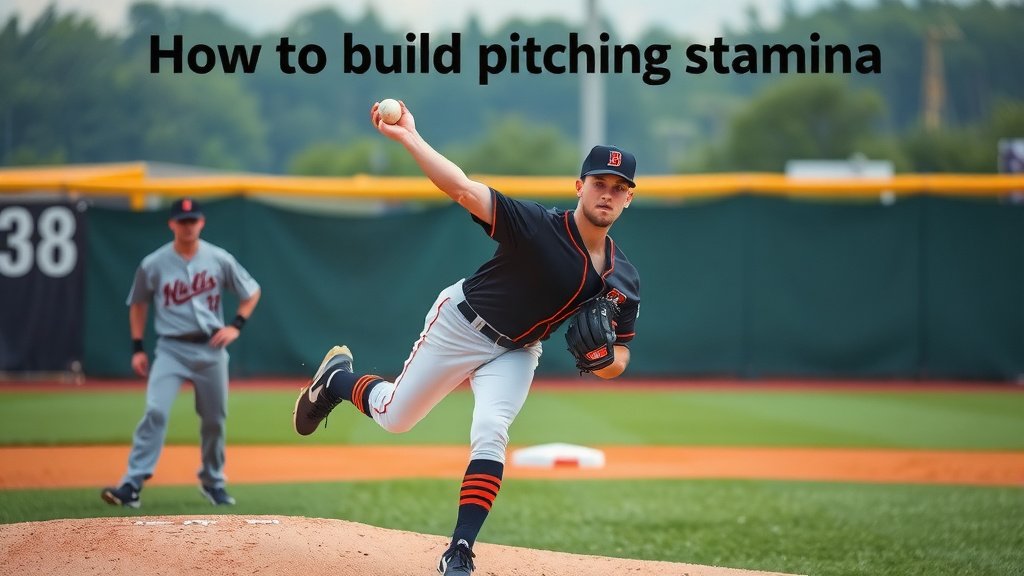
How to Build Pitching Stamina: A Baseball Training Guide
Building pitching stamina comes down to three things: consistent throwing routines, smart conditioning, and proper rest between outings. If you pace yourself and build arm strength gradually, you can throw deeper into games without losing velocity. The good news? You don’t need fancy equipment to do it.
Whether you’re a starter who wants to go seven strong innings or a reliever who needs back-to-back appearances, stamina is what separates good arms from tired ones. We researched what coaches and trainers recommend and found that arm care, lower-body strength, and recovery habits matter just as much as raw talent. Skip them, and your fastball flatlines by the fourth inning. Sound familiar?
Here’s the quick version before we dive in:
- Build stamina gradually with a consistent throwing program
- Strengthen your legs and core, not just your arm
- Prioritize rest days and proper recovery between starts
- Watch your pitch count and don’t try to be a hero early in the season
- Stay hydrated and fuel your body before and after outings
Below, we break down exactly how to build pitching stamina step by step, so you can keep your stuff sharp deep into the game. Let’s get to work.
Building Stamina on the Mound: Where to Start
The fastest way to build pitching stamina is to throw more often, but at lower intensity. Your arm adapts to what you ask of it. Throw once a week, and it stays weak. Throw four or five times a week at easy effort, and it learns to bounce back. Our breakdown of how pitching velocity improves explains the conditioning and rest factors behind throwing harder.
Many experts say consistency beats intensity when it comes to arm endurance. You wouldn’t train for a 10K by sprinting once a month. The same logic applies here.
Your Weekly Throwing Routine
We found that most successful throwing programs follow a simple rhythm. Here’s a sample week you can adjust based on your age and schedule:
| Day | Focus |
|---|---|
| Monday | Long toss at easy effort (15–20 minutes) |
| Tuesday | Bullpen session, 30–40 pitches, mixed pitches |
| Wednesday | Rest or light band work only |
| Thursday | Flat ground work, 25–35 pitches at game effort |
| Friday | Light catch play and shoulder care |
| Saturday | Game day or full bullpen (60+ pitches if starting) |
| Sunday | Full rest |
Notice the rest built in? That’s not an accident. It’s the whole point.
Long Toss: Your Secret Weapon
Long toss gets a bad rap from some old-school coaches, but research reviews on throwing workloads suggest progressive distance throwing helps build arm endurance. Start at 60 feet. Move back as your arm feels loose. Never throw through sharp pain.
Think of it like stretching your arm’s gas tank. Each week, the tank gets a little bigger.
Legs and Core: The Real Engine of Endurance
Here’s a truth many young pitchers miss: your arm is just the delivery system. Your legs and core generate most of your power. When they fatigue, your arm picks up the slack, and that’s when velocity drops and injuries creep in.
We found that strength programs for pitchers consistently target the lower body first. Squats, lunges, and deadlifts build the foundation. Core work like planks and medicine-ball throws keeps your delivery stable late in games.
A Simple Strength Checklist
Try hitting these two to three times a week during the season:
- Squats or split squats — 3 sets of 8–10 reps
- Glute bridges — 3 sets of 12
- Planks — 3 rounds of 30–45 seconds
- Medicine ball rotational throws — 2 sets of 8 each side
- Band pull-aparts — 2 sets of 15 for shoulder health
- Farmers carries — 3 trips of 30 yards for grip and posture
No gym? No problem. Bodyweight versions of these still count. A backpack full of books makes a surprisingly decent weight. (We’ve all been there.)
Why Cardio Still Matters (But Not How You Think)
You don’t need to run six miles like it’s 1985. Actually, many trainers now say distance running can hurt pitchers by teaching slow, grinding movement. Instead, try sprints or interval work. Pitching is a burst activity, not a marathon.
Research from the NIH on anaerobic training supports this idea. Short, hard efforts mirror what your body actually does on the mound.
Recovery: Where the Real Gains Happen
Stamina isn’t built during your workout. It’s built during your rest. Muscles rebuild between sessions, not during them. Skip recovery, and you’re just drilling holes in your own boat.
Guidelines from the Mayo Clinic recommend 48 hours between hard throwing sessions for adult athletes, with even longer recovery windows for younger players. Sleep matters too. Most health sources, including the CDC, point to 8–10 hours of sleep for teens and at least 7 for adults as the recovery sweet spot.
Post-Start Recovery Plan
The day after you pitch, your job is simple: help your body bounce back. Here’s what we found works:
- Light throwing or dry work at 50% effort to get blood flowing
- Hydrate aggressively — your urine should run pale yellow
- Easy stretching for shoulders, hips, and hamstrings
- Extra sleep that night, even if it means skipping the late movie
Soreness is normal. Sharp pain is not. Know the difference, and never tough out the second kind.
Fueling Your Arm: Nutrition and Hydration Basics
You can’t build stamina on an empty tank. Your body needs carbs for energy, protein for repair, and water for basically everything. Studies summarized by health agencies like the CDC show even mild dehydration hurts performance and focus.
Eat a solid meal 2–3 hours before you throw. Think protein, rice or pasta, and fruit. During long games, snack on something small between innings if you can.
Hydration Timeline
Follow this simple pattern:
- 2 hours before: 16–20 ounces of water
- During the game: 4–8 ounces every inning or so
- After: keep sipping until the next day’s bathroom check looks clear
Sports drinks earn their keep on hot days or in long outings. Otherwise, water does the job just fine.

Pitch Count Wisdom: Pacing Yourself for the Long Season
Here’s where many arms break: trying to be a hero in March when the season runs through July. Pitch counts exist for a reason. Major League Baseball and USA Baseball publish pitch smart guidelines that many youth leagues follow, and we found their age-based limits are a smart baseline even for older players.
The takeaway? Build stamina across the season, not in one outing. Ramping up too fast is the number one mistake we see in pitching forums and coach interviews alike.
Pre-Season Ramp-Up Checklist
Before your first real game, check these off:
- At least 4 weeks of progressive throwing before game one
- One bullpen at 100% effort completed without soreness
- Two full rest days per week locked into your schedule
- A flat-ground session hitting 40+ pitches comfortably
- A conversation with your coach about planned inning limits
If you can’t check every box, you’re not behind. You’re just honest. And honest pitchers last longer.
Mental Stamina: The Overlooked Half
Physical endurance means little if your head gets tired in the fifth inning. Mental fatigue leads to rushing, lost focus, and sloppy mechanics, which then drain your body even faster. It’s a nasty loop.
Many sports psychologists recommend simple breathing routines between pitches. Breathe in for four seconds, out for six. It sounds almost too easy, but it resets your nervous system. visualization of your next pitch, rather than replaying the last one, keeps your mind fresh deep into games.
Treat your brain like a muscle. Give it breaks, feed it routines, and it’ll hold up when the seventh inning rolls around and the sun is beating down. That’s when stamina — all of it — pays off.
Conclusion
Stamina isn’t built in one big weekend. It’s built through steady throwing routines, strong legs, honest rest, and a well-fueled body. We found that pitchers who last deep into games aren’t the ones who throw hardest in practice. They’re the ones who show up consistently, recover well, and pace themselves across the season. Add in a clear head between pitches, and you’ve got the full package. So here’s your next step: pull out a calendar tonight and map out your next four weeks of throwing, rest, and strength work. Your arm will thank you by the fifth inning.
Frequently Asked Questions
How long does it take to build pitching stamina?
Most arms need 4 to 8 weeks of consistent work before endurance noticeably improves. Younger pitchers may need a bit longer. The key is gradual progression. Rushing the timeline usually leads to soreness or injury instead of stamina.
Should I throw every day to build arm endurance?
No. Daily throwing at high effort wears your arm down faster than it builds it up. We found that alternating throwing days with rest or light band work gives your arm the recovery it needs. Even big-league starters follow this rhythm.
Can I build pitching stamina during the season?
You can maintain it during the season, but big gains usually happen in the pre-season. Once games start, your focus shifts to recovery between outings and keeping what you built. Think of the season as protecting your stamina, not growing it.
Why do I lose velocity late in games even when I’m not tired?
Often it’s your legs and core fatiguing first, not your arm. When your lower body fades, your arm compensates and efficiency drops. If this happens often, add more lower-body strength work and check your hydration and pre-game meals.
Is it normal for my arm to feel sore after building up pitch counts?
Some dull muscle soreness is normal when you’re increasing workload. Sharp pain, pinpoint tenderness, or pain that lingers for more than a day or two is not. If you feel that kind of soreness, back off the throwing and talk to a coach or medical professional before pushing further.