Why Pitchers Ice Their Arm: Recovery & Performance
Pitchers ice their arm primarily to reduce inflammation and manage pain after throwing. This common practice helps their muscles recover and can prevent further injury. It’s a key part of a pitcher’s post-game routine.
When a pitcher throws, their arm experiences a lot of stress and micro-tears. This can lead to swelling and soreness. Icing helps constrict blood vessels, slowing down the inflammatory process. It’s a well-researched method for soreness relief and aiding recovery after strenuous activity.
- Pitchers ice arms to calm inflammation and pain.
- Cold therapy helps muscles heal faster after games.
- It’s a common technique to prevent overuse injuries.
- Icing constricts blood vessels for quicker recovery.
- It’s a standard part of a pitcher’s recovery plan.
Let’s walk through exactly why this cold treatment is so important for baseball pitchers and how it helps them stay in the game.
“`htmlThe Science Behind Icing a Pitcher’s Arm
When you see a pitcher heading to the dugout, one of the first things they often grab is a bucket of ice. You might wonder, “Why are they doing that?” It’s more than just a ritual. Icing an arm after pitching is a science-backed method to help your body bounce back.
Research shows that cold therapy, or cryotherapy, is very effective. It works by constricting blood vessels. This process is called vasoconstriction. It helps to reduce blood flow to the injured area. This, in turn, lessens swelling and inflammation.
How Cold Therapy Aids Recovery
Think of your arm muscles like a sponge after a tough game. They’ve been working hard, and they might be a bit waterlogged with inflammation. Ice helps to squeeze some of that excess fluid out.
The cold temperatures slow down the metabolic rate of the tissues. This means they need less oxygen. It also limits the release of certain chemicals that cause pain and inflammation. Many sports medicine professionals recommend it as a first-line treatment (American Academy of Orthopaedic Surgeons).
Targeting Inflammation
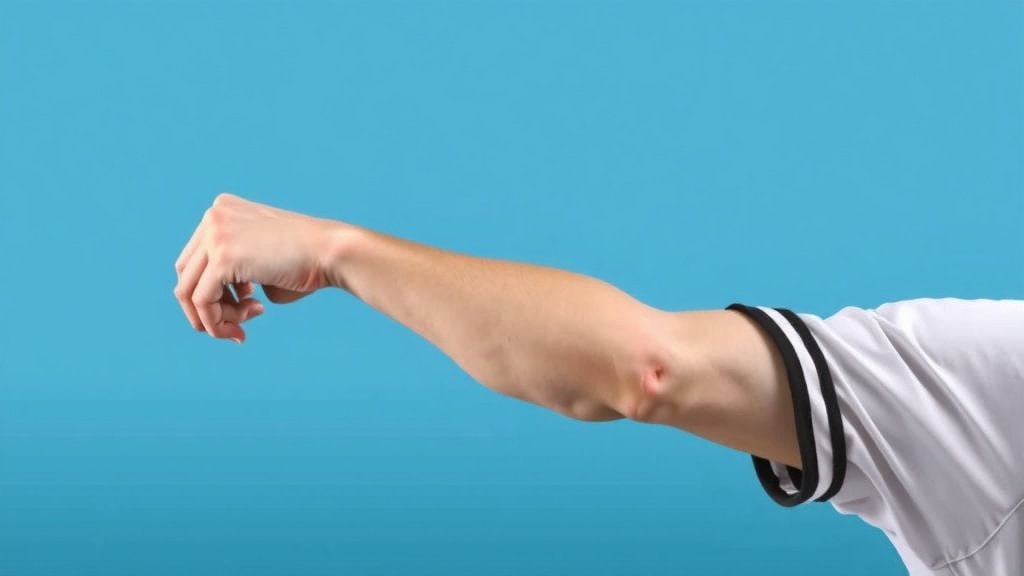
Pitching involves rapid, forceful movements. This puts a lot of stress on your arm’s muscles, tendons, and ligaments. This stress can cause tiny tears, which the body responds to with inflammation. It’s a natural healing process, but it can be painful and slow things down.
By applying ice, you’re essentially telling your body to calm down a bit. You’re helping to manage the inflammatory response. This makes the recovery process more comfortable and often quicker. It’s like hitting the pause button on some of the discomfort.
Pain Management
Beyond reducing swelling, ice is a fantastic natural pain reliever. The cold numbs the nerve endings in your arm. This reduces the signals of pain that are sent to your brain. So, that deep ache you might feel after a long outing? Ice helps to dull that sensation.
It’s a simple yet effective way to make the immediate aftermath of pitching more bearable. When you can manage the pain, you’re better able to relax and let your body start its real healing work. You’re not fighting through as much discomfort.
The Pitcher’s Arm: What’s Happening During a Throw?
To truly understand why icing works, you need to know what’s going on inside your arm when you throw. It’s a complex kinetic chain of events, but let’s break it down simply.
Micro-Trauma is Part of the Process
Every time you throw a baseball with power, your arm experiences forces that can cause microscopic damage to muscle fibers and connective tissues. This isn’t necessarily a bad thing; it’s how muscles adapt and get stronger over time. However, these tiny tears are the root of post-game soreness and inflammation.
This process is similar to what happens when you lift weights. You cause small tears in your muscles, and then with rest and proper nutrition, they repair and grow back stronger. The repetitive nature and high velocity of pitching make these micro-traumas a daily occurrence for pitchers.
The Role of Repetitive Stress
It’s not just one throw that causes issues; it’s the repetitive stress from hundreds of pitches over a season. This constant strain can lead to overuse injuries if not managed properly. Think of it like bending a paperclip back and forth. Eventually, it weakens and can break.
Your arm is put through extreme ranges of motion and high levels of force. This repetitive motion is why pitchers are particularly susceptible to injuries like rotator cuff tears or elbow tendonitis. Proper recovery is key to preventing these more serious problems.
How Icing Fits Into Your Recovery Routine
Icing isn’t a magic cure, but it’s a vital piece of the puzzle for any pitcher looking to stay healthy and perform. It’s a tool that, when used correctly, can make a big difference in your overall arm care.
Immediate Post-Game Application
The best time to ice is generally right after you’re done throwing. This is when the inflammation and microscopic damage are most active. Applying cold soon after pitching can help minimize the inflammatory response right from the start. Don’t wait until the next day if you can help it.
Many players find it helpful to ice during their cool-down stretches or while they’re traveling home. The goal is to apply the cold therapy before the swelling has a chance to fully set in and cause significant discomfort.
Creating a Consistent Arm Care Plan
Icing is one part of a broader arm care strategy. It works best when combined with other practices like proper stretching, strengthening exercises, and adequate rest. We found that pitchers who have a consistent routine tend to have fewer arm issues over their careers.
Your arm care plan should be tailored to you. But here are some common elements that many experts recommend:
- Dynamic warm-ups before pitching.
- Proper pitching mechanics.
- Cool-down routines with static stretching.
- Regular strengthening of supporting muscles.
- Adequate hydration and nutrition.
- Consistent application of ice after heavy throwing days.
Understanding Different Cooling Methods
While we often think of ice buckets, there are a few ways to apply cold therapy. Each has its benefits, and you might find one works better for you than others. The key is consistent application.
Here’s a quick look at common methods:
| Method | Pros | Cons |
|---|---|---|
| Ice Bucket Immersion | Quick, easy, covers a large area. Can be done anywhere. | Can be intense, risk of frostbite if not careful. Hard to control temperature. |
| Ice Packs/Wraps | Controllable temperature, can be more comfortable. Good for specific spots. | May not cover as large an area. Needs to be kept cold. |
| Cold Tubs/Whirlpools | Full-body effect, can be very relaxing. Good for overall recovery. | Requires special equipment, not always available. Can be expensive. |
For most pitchers, the ice bucket or ice packs are the most practical options. When using ice packs, many find it helpful to wrap them in a thin towel. This helps prevent direct contact with the skin, reducing the risk of ice burns. You want the therapeutic cold, not frostbite!
Key Takeaways for Pitchers
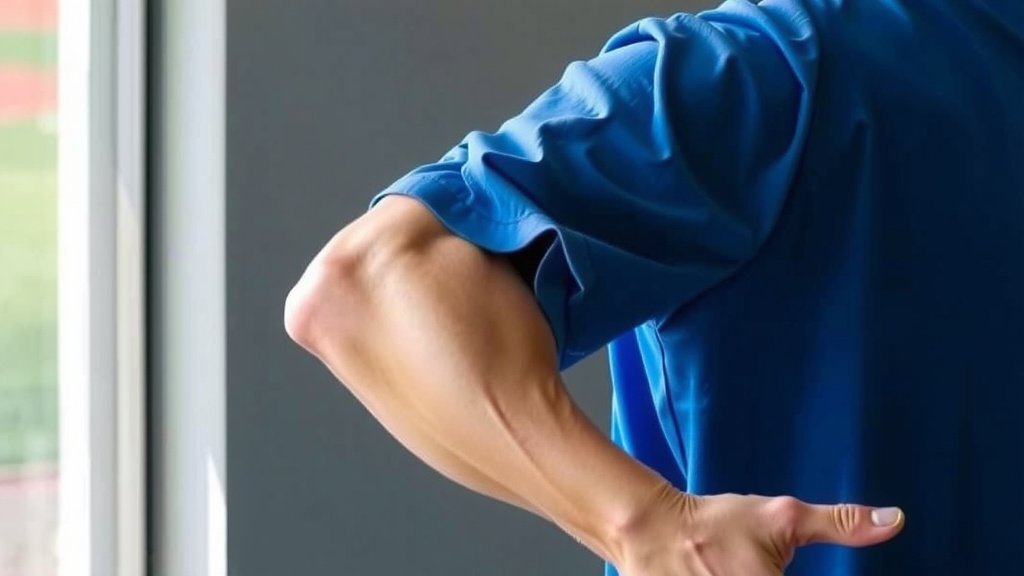
So, when you’re icing your arm, remember what’s happening. You’re actively helping your body recover.
Here’s a quick checklist to keep in mind:
- Ice early: Apply cold therapy as soon as possible after throwing.
- Be consistent: Make icing a regular part of your post-game routine.
- Manage pain: Use ice to numb soreness and reduce discomfort.
- Reduce swelling: Help constrict blood vessels to limit inflammation.
- Support healing: Aid your muscles in their recovery process.
- Listen to your body: While icing helps, it’s not a substitute for rest and medical advice if you have serious pain.
Conclusion
You’ve learned that icing your arm after pitching is much more than a habit; it’s a smart recovery strategy. By reducing inflammation and numbing pain, cold therapy helps your muscles heal faster and can prevent those nagging overuse injuries. Remember that consistent icing, especially right after throwing, is key. It’s a powerful tool to add to your arm care routine, helping you stay on the mound longer. Make icing a priority, and listen to your body’s signals for optimal performance and health.
Frequently Asked Questions
How long should a pitcher ice their arm?
Generally, pitchers should aim for 15-20 minutes of icing per session. It’s best to do this immediately after pitching, before inflammation sets in too much. Avoid icing for too long, as it can potentially damage skin and nerves.
Can icing hurt a pitcher’s arm if done incorrectly?
Yes, icing incorrectly can cause harm. Always wrap ice packs in a thin towel to prevent direct contact with skin, which can lead to frostbite or ice burns. Never apply ice for excessive periods.
Is icing the only way pitchers recover their arms?
No, icing is just one part of a larger recovery plan. It works best when combined with proper warm-ups, cool-downs, stretching, strengthening exercises for supporting muscles, and adequate rest and nutrition. These elements together create a well-rounded approach to arm care.
At what age should pitchers start icing their arms?
Young pitchers experiencing soreness or after particularly strenuous outings can benefit from icing. However, it’s crucial for coaches and parents to monitor usage and ensure it’s done correctly. The focus for younger players should always be on proper mechanics and avoiding overuse.
Will icing prevent all pitching injuries?
Icing is a highly effective tool for managing inflammation and pain, which can help prevent certain overuse injuries. However, it cannot prevent all injuries, especially those caused by sudden trauma, poor mechanics, or exceeding your arm’s capacity. It’s a preventative measure, not a guarantee.