Your Guide to the Infield Glove: What It Is and How to Choose
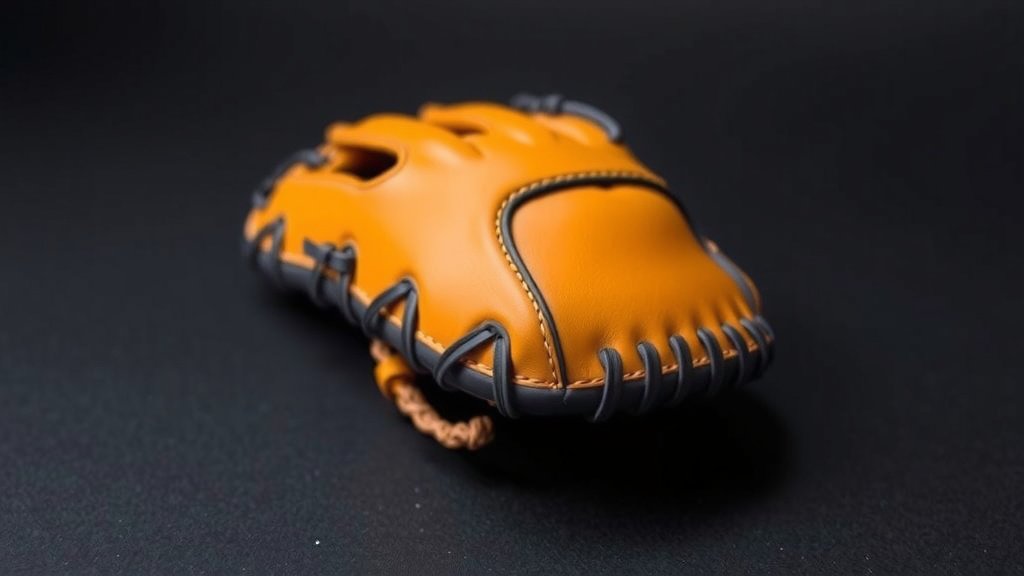
An infield glove is a specialized baseball glove designed for fielders playing infield positions like shortstop, second base, and third base. Its primary purpose is to help you catch ground balls quickly and transfer them to your throwing hand with ease. These gloves are typically smaller and lighter than outfield gloves, making them ideal for the rapid-fire action of the infield.
When you’re playing the infield, you need a glove that can help you snag those hard-hit grounders and make precise throws. The design of an infield glove focuses on creating a shallow pocket. This shallow pocket allows for a faster glove-to-hand transfer. Many infielders also prefer a glove with an open- வலை pattern for better visibility. This helps you see the ball as you catch it.
- An infield glove is for baseball infielders.
- It’s smaller and lighter than outfield gloves.
- Its shallow pocket aids quick ball transfer.
- Open webs improve ball visibility.
Let’s walk through exactly what makes an infield glove different and why it matters for your game.
Understanding the Infield Glove’s Role
So, you’re wondering what makes an infield glove so special? It’s all about **speed and precision** on the diamond. Unlike outfielders who might need a larger glove to snag fly balls, infielders deal with quick grounders and sharp line drives. Their glove needs to help them get the ball out of their glove and into their throwing hand as fast as humanly possible. Think of it as your secret weapon for making slick plays.
The Design Differences: Small Glove, Big Impact
What sets an infield glove apart visually? You’ll notice they’re generally **smaller and lighter** than other types of baseball gloves. This isn’t just for aesthetics; it’s a functional design choice. A smaller glove means less material to slow you down when you’re scooping a ball. It feels more like an extension of your hand, allowing for quicker reactions and movements.
Pocket Depth: The Key to Quick Transfers
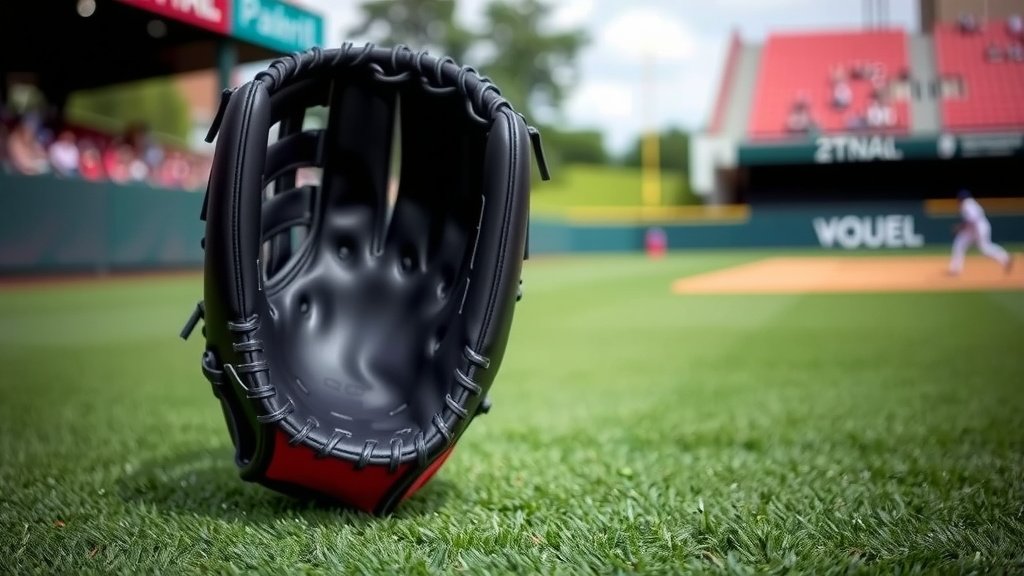
The most defining feature of an infield glove is its **shallow pocket**. Imagine trying to grab a coin from a deep bucket versus a shallow tray. The tray makes it much easier to pick up the coin quickly. That’s what a shallow pocket does for a baseball. It prevents the ball from sinking too deep, allowing you to get a clean grip and transfer it to your throwing hand without fumbling. We found that this design is crucial for infielders who need to make throws in fractions of a second.
Webbing: Seeing is Believing
Another important design element is the webbing between the thumb and index finger. Many infielders prefer an **open-web pattern**. Why? It allows you to see the ball right through the webbing as it enters the glove. This visibility can be a real confidence booster, helping you track the ball all the way into your glove and confirming your catch. Some infielders might opt for a closed web, but open webs are incredibly popular for this very reason.
Why the Infield Glove is Your Best Friend
Playing the infield requires a unique set of skills, and your glove is a primary tool to help you succeed. It’s not just about catching; it’s about catching and then doing something else – usually throwing. The specialized design directly supports these actions, making your job on the field a little bit easier.
Speed of Transfer: The Infield’s Main Game
We all know that an out is recorded when the ball gets to your teammate at first base. For infielders, the speed at which you can get the ball from your glove to your throwing hand is **critically important**. A shallow pocket, as we’ve discussed, is the star player here. It minimizes the distance the ball has to travel within the glove. Many players have found that switching to a glove with a shallower pocket significantly improved their transfer times.
Glove Size Matters: Agility on the Infield
The typical size range for an infield glove is between 11 and 11.75 inches. This size is a sweet spot. It’s big enough to give you a decent surface area for catching but small enough to remain agile. Think about trying to navigate a crowded room. If you were carrying a huge suitcase, it would be much harder than carrying a small backpack. The smaller glove allows for more fluid hand movements and quicker adjustments when fielding tricky hops.
Youth vs. Adult Infield Gloves
While the design principles remain the same, you’ll find that youth infield gloves are often even smaller, typically in the 10 to 11-inch range. This is to accommodate the smaller hands of younger players. As players grow, they’ll move up to larger sizes. The goal is always to have a glove that fits comfortably and allows for maximum control and speed.
Choosing Your Ideal Infield Glove
Selecting the right infield glove can feel overwhelming, but focusing on a few key features will help you find a great fit. It’s a personal decision, and what works for one player might not be perfect for another. Here’s what to consider when you’re shopping:
Material: Leather vs. Synthetic
Most quality infield gloves are made from **leather**. Genuine leather offers durability, a great feel, and molds to your hand over time, creating a custom fit. It requires a break-in period, which can take some effort. Synthetic materials are often lighter and require less break-in time, but they may not offer the same longevity or feel as genuine leather. We found that many serious players lean towards leather for its superior performance and feel.
Fit and Feel: The Personal Touch
When you put on an infield glove, it should feel **snug but not tight**. Your fingers should reach the end of the finger stalls without being cramped. The glove should feel like a natural extension of your hand. Some gloves come with adjustable wrist straps, which can be helpful for fine-tuning the fit, especially for younger players.
Pocket Type: How It’s Constructed
We’ve talked a lot about shallow pockets. You’ll see different types of pockets, like I-web, H-web, or single-post. The I-web is very popular for infielders because it’s lightweight and provides that desired shallow pocket. The H-web offers a bit more stability. The best way to know what you like is to try them on. Feel how the ball lands and how easy it is to close your glove.
Break-In Process: Getting Game Ready
A new leather glove needs to be broken in. This means conditioning the leather and working it until it becomes soft and pliable. Some players use glove oil or conditioner, while others might gently flex and shape the glove. You can also get it professionally broken in. The goal is a glove that closes easily and securely around the ball. Many players recommend a combination of oil and simply playing catch regularly.
A Quick Checklist for Your Glove Hunt:
- Check for a shallow pocket.
- Ensure it’s the right size for your hand.
- Test the webbing for visibility.
- Feel the fit – snug, not tight.
- Consider the material and break-in needs.
- Does it help you feel quick?
Conclusion
You now understand that an infield glove is more than just a piece of equipment; it’s a finely tuned tool designed for speed and accuracy. Its smaller size, shallow pocket, and open webbing all work together to help you snag ground balls and make lightning-fast transfers. We’ve seen how these features directly impact your ability to make outs and help your team. Ready to improve your game? Your next step is to find a glove that fits your hand perfectly and start breaking it in.
Frequently Asked Questions
What’s the main difference between an infield glove and an outfielder’s glove?
The primary difference lies in size and pocket depth. Infield gloves are smaller and lighter with a shallow pocket for quick ball transfers. Outfield gloves are larger with a deeper pocket to help snag fly balls and secure them.
Why is a shallow pocket so important for infielders?
A shallow pocket allows you to get the ball out of your glove and into your throwing hand much faster. This quick transfer is essential for making outs at any base, especially first base.
Can I use any baseball glove for infield positions?
While you can technically catch a ball with any glove, an infield-specific glove is designed to optimize your performance. Its features, like the shallow pocket and size, directly help with the quick fielding and throwing required in the infield.
How do I know if an infield glove is the right size for me?
An infield glove should feel snug but not tight, allowing your fingers to reach the end of the stalls without being cramped. It should feel like a natural extension of your hand, offering agility.
What does “breaking in” an infield glove mean, and why is it necessary?
Breaking in a leather glove means softening the material and shaping it so it closes easily and securely around a ball. This process makes the glove more comfortable and functional for game play.