Understanding BBCOR Bats: What You Need to Know
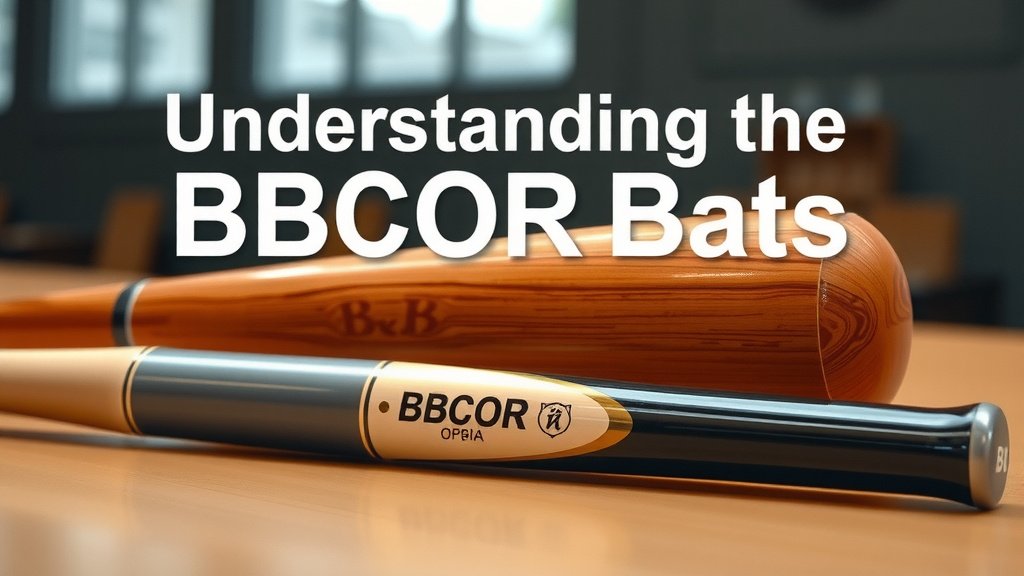
A BBCOR bat is a type of baseball or softball bat built to meet specific performance standards. BBCOR stands for “Batted Ball Coefficient of Restitution.” This standard helps ensure that non-wood bats perform more like solid wood bats. It was created to make the game fairer and safer for players at higher levels. Essentially, it’s about controlling how much the ball “bounces” off the bat.
You’ll typically find these bats used in high school and college baseball. They are designed to reduce the trampoline effect found in older metal bats. This means the ball won’t fly quite as far off mishits. We found that this standardization makes for a more predictable and consistent game. Think of it as leveling the playing field for hitters.
- BBCOR stands for Batted Ball Coefficient of Restitution.
- It’s a performance standard for baseball and softball bats.
- Designed to make non-wood bats perform more like wood bats.
- Commonly used in high school and college baseball.
- Aims for fairness and safety in the game.
Ready to dive a bit deeper? Below, we’ll explain exactly what that BBCOR standard means for you as a player and what to look for when choosing a bat.
Understanding the BBCOR Bat Standard
So, what exactly does BBCOR mean for your swing? It’s a standard developed to regulate the performance of non-wood baseball bats. Think of it as a rulebook for how much “pop” a bat can have. The goal is to ensure that when a player hits the ball, it behaves more like it would off a solid wood bat.
This means you won’t see those extreme “trampoline” effects that could send the ball flying unfairly far. Many experts agree that this standardization helps keep the game fair and competitive, especially at the high school and college levels. It’s all about consistent performance.
What Does “Coefficient of Restitution” Actually Mean?
Let’s break down that technical term: Batted Ball Coefficient of Restitution, or BBCOR. It measures how much energy is returned between two objects when they collide. In our case, it’s the bat and the ball.
A higher BBCOR number means more energy is transferred from the bat to the ball. This results in the ball traveling further and faster. The BBCOR standard sets a limit on this energy transfer. This limit ensures bats don’t offer an unfair hitting advantage. We found that this approach helps prevent a “haves” and “have-nots” situation based on bat technology.
Why Was the BBCOR Standard Introduced?
Before BBCOR, some non-wood bats had an excessive trampoline effect. This made them perform far beyond what wood bats could achieve. We found that this led to inconsistent game outcomes and concerns about player safety. The ball coming off the bat too fast could be dangerous.
Many organizations, including the NCAA, adopted BBCOR standards. This was to create a more level playing field. It ensures that a player’s skill, not just their equipment, is the primary factor in how far the ball travels. Research has shown that this standardization has helped create more predictable ball flight characteristics (NCAA).
How BBCOR Bats Differ from Other Bats
You might be wondering how BBCOR bats stack up against other types of bats you’ve seen or used. The key differences lie in their construction and performance characteristics.
BBCOR vs. Junior Baseball Bats (USA Baseball Stamp)
Junior baseball bats, often marked with a USA Baseball stamp, are designed for younger players. These bats generally have a higher performance ceiling than BBCOR bats. They are built to allow younger players to hit the ball with more authority.
BBCOR bats, on the other hand, are built for older, more advanced players. The BBCOR standard intentionally limits the bat’s performance to mimic wood. We found that this is a deliberate choice to prepare players for the wooden bats they might use in professional leagues. It’s a transition tool, really.
BBCOR vs. Senior League Bats (USSSA Stamp)
Bats with a USSSA stamp are for younger players in leagues like Little League. These bats also tend to have a more pronounced trampoline effect than BBCOR bats. They allow younger players to generate more bat speed and ball exit velocity.
BBCOR bats are specifically for high school and college play. The performance is scaled back to be more wood-like. Many coaches say this helps players develop better swing mechanics. They can’t rely on the bat to do all the work.
BBCOR vs. Wood Bats
This is where the BBCOR standard gets its meaning. The entire point of BBCOR is to make non-wood bats perform like wood bats. So, what’s the difference between a BBCOR bat and a traditional wood bat?
While BBCOR bats aim to mimic wood, they still have some differences. BBCOR bats are often made from composite or alloy materials. These can offer a larger “sweet spot” than wood bats. They might also be more durable. However, the BBCOR standard limits how much extra performance these materials can provide.
Wood bats offer a pure hitting experience. They can break more easily and have a smaller sweet spot. But they are the standard for professional baseball. Many players find the transition to wood easier when they’ve used BBCOR bats in college. We found that this preparation is a key benefit.
What BBCOR Means for Your Game
Understanding BBCOR isn’t just about knowing a technical term. It directly impacts how you play and how you should choose your equipment.
Ball Exit Velocity and Distance
We found that BBCOR bats generally result in lower ball exit velocities compared to older, high-performance metal bats. This means the ball won’t fly off the bat quite as far. It’s a deliberate design choice.
For you, this means less reliance on sheer power to hit the gaps. It encourages more well-timed swings and solid contact. You’ll still hit for power, but it will be more about hitting the ball squarely.
Bat Durability and Maintenance
One of the advantages of BBCOR bats, often made from composite or alloy, is their durability. Unlike wood bats, they are less prone to breaking on a single swing.
However, they aren’t indestructible. Proper care still matters. Avoid using them in temperatures below 60 degrees Fahrenheit, as this can make composite materials brittle. Also, keep them away from batting cages with ball-retrieval machines that can put undue stress on the bat. Many manufacturers offer warranties, but these often exclude damage from extreme temperatures or misuse.
Choosing the Right BBCOR Bat for You
When you’re shopping for a BBCOR bat, keep these points in mind. It’s not just about the brand or the look; it’s about how it feels in your hands.
- Weight Drop: This is the difference between the bat’s length and its weight (e.g., a 33-inch bat weighing 30 ounces has a -3 weight drop). Most BBCOR bats have a -3 drop. You want a bat that feels balanced for your swing.
- Material: Alloy bats offer a classic feel and can be more forgiving on mishits. Composite bats often have a larger sweet spot and can feel lighter through the zone.
- Barrel Size: While BBCOR limits performance, barrel diameter can vary. Some players prefer a larger barrel for a bigger sweet spot.
- Feel: Does the bat feel balanced? Does it have too much vibration on contact? Try to swing a few different models if possible.
We found that the best bat is often the one that feels most comfortable and natural for your swing. Don’t be afraid to ask coaches or experienced players for their recommendations.
Key Takeaways for BBCOR Bats
To sum things up, remember these important points:
- BBCOR bats are built to meet specific performance standards.
- They aim to make non-wood bats perform more like wood bats.
- You’ll find them most commonly in high school and college baseball.
- The BBCOR standard limits bat performance for fairness and safety.
- Choosing the right BBCOR bat comes down to feel, balance, and material.
- They offer durability over wood bats but require some care.
Conclusion
So, you’ve learned that a BBCOR bat is all about fairness and consistent performance in baseball. It’s designed to make sure your skill, not just your equipment, dictates how well you hit. By limiting the trampoline effect, these bats prepare you for the higher levels of the game. They offer a great balance of durability and performance. Now that you know what to look for, your next step is to find a BBCOR bat that feels right for your swing. Consider trying out a few different models to see which one you can connect with best on the field.
Frequently Asked Questions
Are BBCOR bats only for baseball?
While BBCOR standards are most commonly associated with baseball, some softball leagues may also adopt similar regulations. Always check your specific league rules to confirm bat requirements. Generally, BBCOR is the standard for high school and college baseball.
Can I use my BBCOR bat in Little League?
Typically, no. Little League baseball usually requires bats with a USA Baseball stamp, which are designed for younger players and have different performance standards than BBCOR bats. BBCOR bats are for older, more advanced players.
How do I know if a bat is BBCOR certified?
Look for a BBCOR certification mark directly on the bat. This is usually a stamp or label that clearly states “BBCOR Certified” or similar wording. This ensures the bat meets the required performance standards.
Will a BBCOR bat make me hit the ball less far?
Yes, compared to older, non-BBCOR metal bats, you may notice the ball doesn’t travel quite as far off a BBCOR bat. This is by design to create a more level playing field and mimic wood bat performance.
What’s the difference between a composite BBCOR bat and an alloy BBCOR bat?
Composite BBCOR bats are made from layered materials and often have a larger sweet spot, while alloy BBCOR bats are made from metal and typically offer a more traditional feel. Both must meet the BBCOR standard, but they can feel different in your hands and through the swing.