Understanding BBCOR Bats: Your Guide to Performance
BBCOR stands for Bat-Ball Coefficient of Restitution. It’s a standard for baseball and softball bats. This standard helps ensure that non-wood bats perform more like wood bats. Think of it as a way to keep the game fair and fun for everyone.
You’ll often see the BBCOR certification on high school and college baseball bats. It’s designed to reduce the “trampoline effect” that some metal bats can have. This means less energy is transferred from the bat to the ball. It’s all about creating a more predictable play.
- BBCOR is a standard for baseball bats.
- It means Bat-Ball Coefficient of Restitution.
- It’s used for non-wood bats.
- It helps bats perform like wood bats.
- Look for the BBCOR label on high school/college bats.
So, what exactly does BBCOR mean for your game and why should you care? Let’s break down what this standard is all about and how it impacts your performance at the plate.
Understanding the BBCOR Bat Standard
So, you’re hitting the baseball field, and you see a big ol’ BBCOR sticker on a bat. What does that even mean for you? It means the bat meets a specific performance standard. This standard ensures that non-wood bats don’t have too much “pop.” It’s all about keeping the game fair and exciting for everyone involved.
What Does BBCOR Actually Measure?
BBCOR is a scientific measurement. It stands for Bat-Ball Coefficient of Restitution. This might sound complicated, but it’s basically a way to quantify how much energy is transferred when the ball hits the bat. Think of it like a bouncy ball hitting a trampoline. A really high restitution means a lot of bounce back. For bats, we want less bounce back to mimic the performance of wood bats.
The “Trampoline Effect” Explained
Some older or non-certified metal bats could create a powerful “trampoline effect.” When the ball hit the bat, the bat flexed and then sprang back. This transferred a huge amount of energy to the ball. It made balls fly off the bat much faster than with a wood bat. This made hitting incredibly difficult to defend. The BBCOR standard aims to dial this back.
Why Was the Standard Introduced?
Many baseball organizations looked at the game and saw a problem. The huge difference in performance between wood and metal bats was becoming a concern. Players were hitting the ball harder and farther with non-wood bats. This could lead to more injuries and make the game less about skill and more about equipment. Research showed that standardizing bat performance was necessary (NCAA).
How BBCOR Affects Your Game
Now, let’s get down to what this means for you as a player. If you’re playing high school or college baseball, you’ll likely be using a BBCOR-certified bat. This standard has a direct impact on how you swing and how the ball travels.
Bat Performance: Less “Ping,” More “Crack”
BBCOR bats are designed to have a lower trampoline effect than older metal bats. This means when you connect with a pitch, you won’t get quite the same explosive “ping” sound or the extreme distance. Instead, the sound and feel will be closer to that of a wood bat. It’s a more traditional baseball feel.
Reduced Exit Velocity
The primary goal of BBCOR is to reduce the ball’s exit velocity off the bat. Exit velocity is how fast the ball is moving right after it leaves the bat. By limiting the trampoline effect, BBCOR bats help ensure that the ball speed is more consistent, regardless of the bat material. This creates a more level playing field for pitchers and fielders.
The Feel of the Swing
Many players report that BBCOR bats feel a bit different. They might have a stiffer feel through the swing. This is because they are designed to flex less. For some, this takes a little getting used to. You might need to adjust your swing mechanics slightly to generate the same power you’re used to with a lighter, more trampoline-like bat.
Why Different Leagues Use BBCOR
You’ll find BBCOR standards primarily in leagues like high school baseball and NCAA college baseball. Why these levels? It’s about player development and safety. At these higher levels, the goal is to prepare players for the professional game, which exclusively uses wood bats.
Preparing for the Pros
By using BBCOR-certified bats, players get accustomed to the performance characteristics of wood. This helps them develop the skills needed to hit with wood bats when they potentially reach higher levels of play. It’s a stepping stone, ensuring a smoother transition.
Fair Competition and Safety
The BBCOR standard also promotes fair competition. It reduces the advantage that some non-wood bats could offer. This means the game is more about player skill than about who has the most “super-powered” bat. Additionally, by reducing extreme exit velocities, it can contribute to player safety by making hits slightly less unpredictable.
What to Look For in a BBCOR Bat
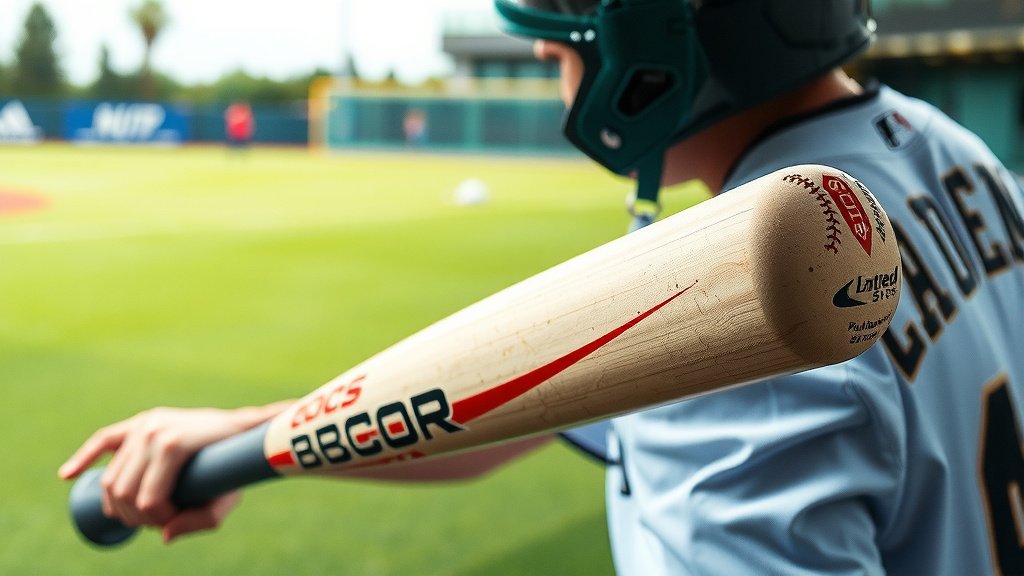
When you’re shopping for a new bat for high school or college ball, keep an eye out for the BBCOR certification mark. It’s usually a small stamp or label on the bat itself. Don’t just grab any metal bat; make sure it has that stamp of approval.
The BBCOR Certification Mark
This mark tells you the bat has been tested and meets the BBCOR performance standards. It’s a guarantee that the bat will perform within the expected limits. You can usually find this mark near the handle or on the barrel of the bat.
Bat Material and Design
BBCOR bats can be made from various materials, including aluminum alloys and composite materials. While the material can affect the feel and swing weight, the key is that the design must adhere to the BBCOR standard. Whether it’s a one-piece or multi-piece construction, the performance characteristics are what matter most for certification.
When Is BBCOR NOT Required?
It’s important to remember that BBCOR is specific to certain levels of play. Youth baseball leagues (like Little League or Cal Ripken) typically use different standards, often referred to as USA Baseball or USSSA. These leagues have their own rules designed for younger players. So, always check the specific rules for the league you’re playing in!
Youth Leagues vs. High School/College
Youth leagues often use bats with a higher performance rating (like USSSA or USA Baseball stamps). These bats can have more of a trampoline effect than BBCOR bats. This is because they are designed to help younger players generate more power as they develop. The BBCOR standard is more for the advanced teenage and adult amateur player.
BBCOR Bat Checklist
To make sure you’re getting the right bat for your needs, consider these points:
- Check the Certification: Always look for the official BBCOR .50 stamp.
- League Rules: Confirm that BBCOR bats are required or allowed in your league.
- Bat Weight: Pay attention to the drop weight and ensure it’s appropriate for your size and strength. Pay attention to the drop weight and ensure it’s appropriate for your size and strength when choosing a BBCOR bat.
- Material Preference: Decide if you prefer the feel of alloy or composite.
- Try Before You Buy: If possible, swing a few different BBCOR models to find the best feel.
- Bat Length: Ensure the bat length is right for your height and reach.
Conclusion
You’ve learned that BBCOR is a critical standard for baseball bats, especially at the high school and college levels. It stands for Bat-Ball Coefficient of Restitution, and its main job is to ensure non-wood bats perform more like traditional wood bats. This means less of that explosive “trampoline effect” and more predictable ball flight, which helps create a fairer game and prepares you for higher levels of play. When you’re ready to buy your next bat, remember to look for that BBCOR certification mark. It’s your assurance that the bat meets these important performance guidelines.
Frequently Asked Questions
Does BBCOR apply to all baseball leagues?
No, BBCOR standards are primarily for high school and NCAA college baseball. Youth leagues like Little League or Cal Ripken use different standards, such as USA Baseball or USSSA. These leagues have their own rules designed for younger players’ development and safety.
What is the main difference between a BBCOR bat and a youth league bat?
BBCOR bats have a lower “trampoline effect” to mimic wood bat performance. Youth league bats, like those with USSSA or USA Baseball stamps, often allow for more pop and a greater trampoline effect. This helps younger players generate more power as they grow and develop their hitting skills.
Why do colleges use BBCOR bats if professional baseball uses wood?
Colleges use BBCOR bats to help players transition smoothly into the professional game. By using bats with performance characteristics similar to wood, players develop the skills and feel needed to hit with wood. It’s a way to bridge the gap and prepare athletes for the next level.
How can I tell if a bat is BBCOR certified?
You can easily identify a BBCOR-certified bat by looking for the official BBCOR .50 stamp or label. This mark is usually found on the bat’s barrel or near the handle. It signifies that the bat has been tested and meets the required performance standards for leagues that mandate it.
Will a BBCOR bat feel different than my old metal bat?
Yes, you might notice a difference. BBCOR bats are designed to flex less, which can give them a stiffer feel through the swing compared to older, non-certified metal bats. This change is intentional to reduce the trampoline effect and provide a performance closer to wood.