Fastest Human Baseball Throws Revealed
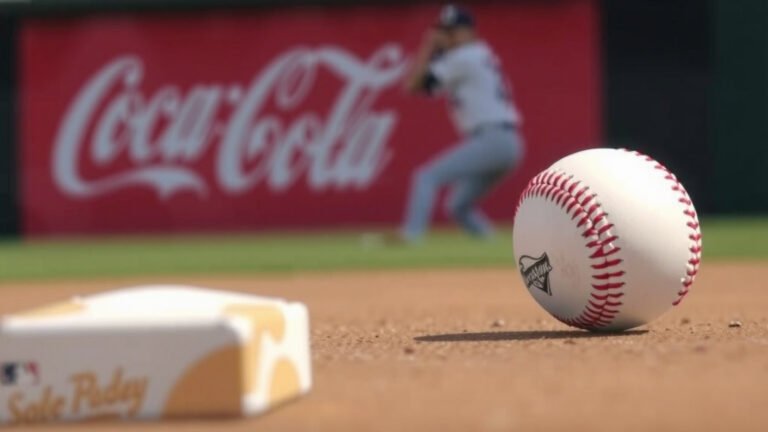
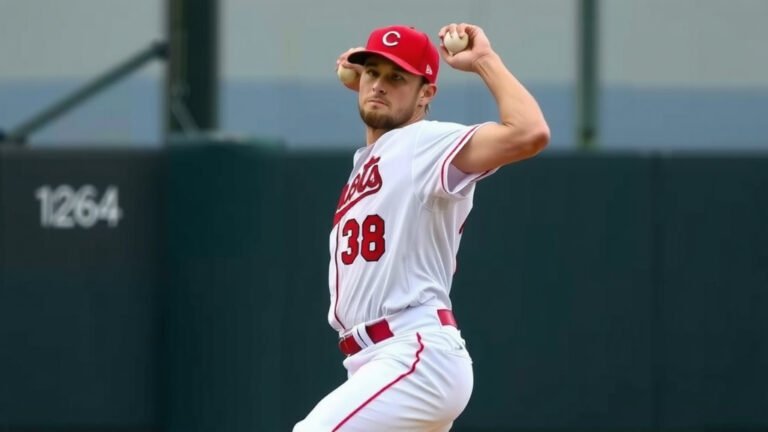
You’re probably wondering how fast a human can really throw a baseball. Well, the fastest baseball pitches ever recorded hover around 105 miles per hour. This incredible speed is achieved by a select few professional athletes.
It takes a lot more than just raw arm strength to reach those speeds. Factors like proper technique, conditioning, and even genetics play a huge role. We’ve researched what makes a pitcher throw so hard.
- Fastest pitches are around 105 mph.
- This speed is rare and takes elite training.
- Arm strength, technique, and conditioning matter.
- Pitchers train for years to reach top speeds.
Let’s get into the details of what it takes to throw a baseball at these extreme speeds.
How Fast Can a Human Hurl a Baseball?
The sheer power behind a thrown baseball is incredible. We’ve all seen it on TV or maybe even experienced it ourselves. But have you ever stopped to think about the physical limits? We researched the upper echelon of baseball throwing speeds. The fastest recorded pitches zip past 100 miles per hour.
The Science Behind High-Speed Throws
So, how do pitchers achieve these astonishing speeds? It’s not just about swinging your arm really hard. A lot goes into it. We found that multiple factors work together. Think of it like a well-oiled machine, where every part needs to function perfectly.
Arm Strength and Velocity
Naturally, arm strength is a big part of the equation. However, it’s not just about the muscles in your arm. The entire kinetic chain plays a role. This chain starts from your legs and core, transferring energy up to your arm and finally to the ball.
The Kinetic Chain Explained
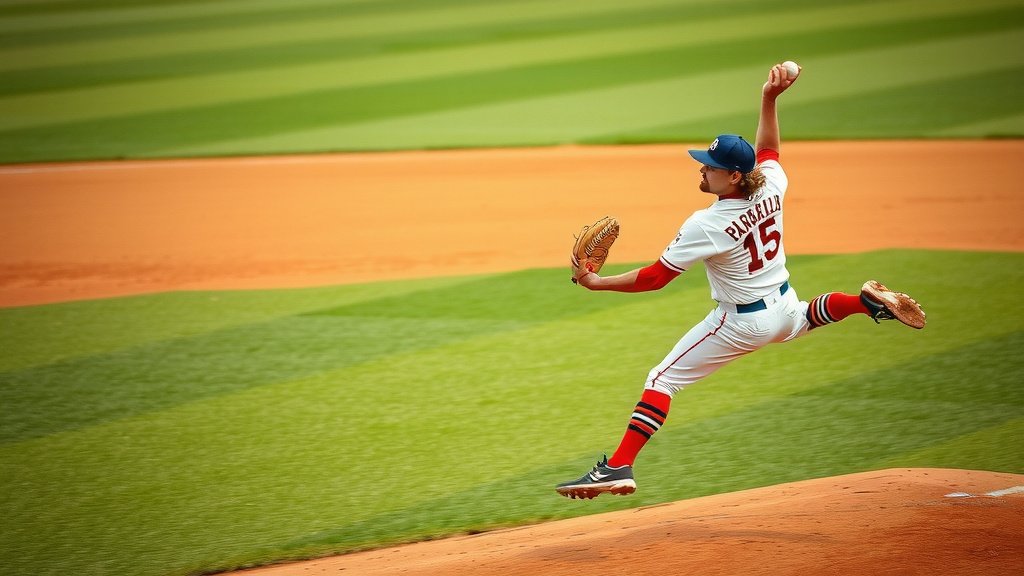
Imagine a whip. The handle moves, and that energy travels down the whip to create a loud crack at the end. Pitching is similar. Your legs push off the ground. Your hips rotate. Your torso twists. All this movement builds momentum. This momentum is then funneled through your shoulder and elbow to your wrist and fingers. A loss of energy anywhere breaks the chain. This means less speed for the ball. Many sports scientists have studied this kinetic chain (National Strength and Conditioning Association).
Technique: The Finer Points of Pitching
Beyond raw strength, flawless technique is essential. A pitcher needs to learn how to harness that kinetic energy efficiently. Proper mechanics help maximize velocity while minimizing the risk of injury. It’s a delicate balance. We found that even small adjustments can make a big difference.
Grip and Release
The way a pitcher grips the ball affects its spin and trajectory. A firm, correct grip allows for better control. The release point is also critical. Releasing the ball too early or too late can rob it of speed. It can also make the pitch less accurate. Years of practice go into perfecting this release. Coaches often use slow-motion video to help pitchers see their form.
Body Mechanics and Balance
A pitcher’s balance is key throughout the entire motion. A stable base allows for powerful leg drive. Proper hip rotation creates torque. A strong core stabilizes the body. The arm action must be fluid and coordinated with the rest of the body. This coordinated movement ensures energy transfer is smooth. It’s not just about how fast you move your arm. It’s about how your whole body works together.
The Role of Conditioning and Training
Elite pitchers aren’t born with their abilities. They spend years honing their skills and building their bodies. Specialized training is vital. This training goes beyond just throwing a baseball.
Strength and Conditioning Programs
Pitchers need to be strong and flexible. They often follow rigorous strength and conditioning programs. These programs focus on building core strength. They also target the muscles used in throwing. This includes shoulders, back, and legs. Plyometric exercises can help improve explosive power. Many professional teams have dedicated performance coaches. These coaches design custom workouts.
Flexibility and Mobility
High-level pitchers need excellent flexibility. This is especially true in their shoulders and hips. Increased range of motion allows for a more efficient throwing motion. It can also help prevent injuries. Regular stretching and mobility exercises are a standard part of their routine. These exercises help keep muscles healthy and ready for action. The American Sports Medicine Institute has published extensive research on pitcher arm health.
Rest and Recovery
Just as important as training is rest. Pitchers need adequate recovery time to allow their bodies to repair and rebuild. Overtraining can lead to fatigue and injury. This defeats the purpose of all that hard work. We found that proper sleep is non-negotiable for these athletes. Nutrition also plays a huge role in recovery.
Who Throws the Hardest?
The title of the fastest pitcher often changes hands. However, certain names consistently come up in discussions of extreme velocity. These are athletes who have pushed the boundaries of human performance.
Record Holders and Notable Pitchers
While the official record is debated due to varying measurement methods, speeds around 105 mph have been clocked. Aroldis Chapman is frequently cited for his incredibly high velocity. Many other flamethrowers have touched or exceeded 100 mph. These pitchers are rare talents. They represent the pinnacle of speed in baseball.
The Average vs. The Elite
It’s important to distinguish between average and elite speeds. Most professional pitchers throw in the 90s mph range. Some starters might average a bit lower. However, the truly elite, those who break 100 mph, are few and far between. Think of it like the difference between a fast runner and an Olympic sprinter. Both are fast, but one is in a different league.
Is 100+ MPH Possible for Everyone?
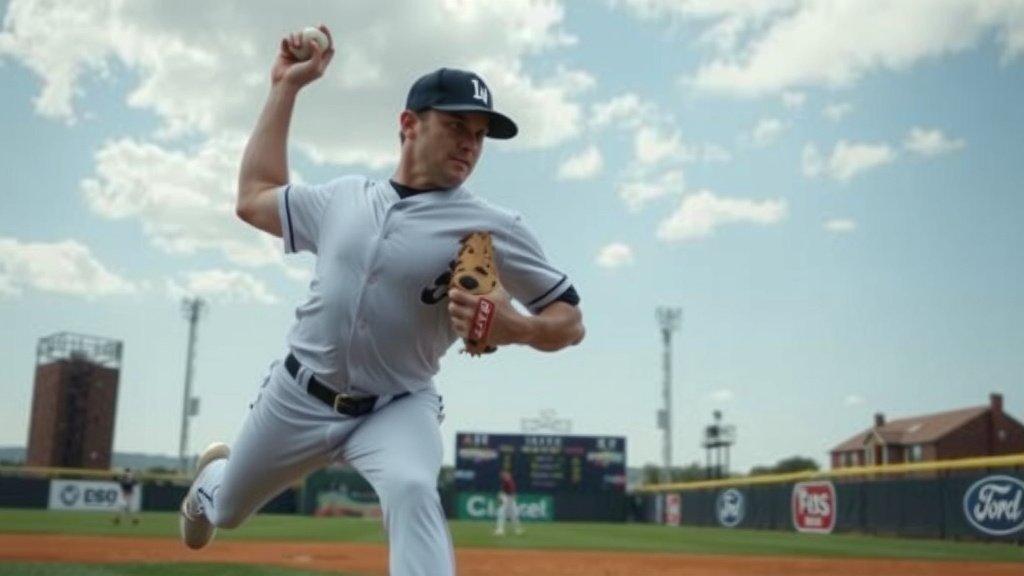
While it’s inspiring to see pitchers throw so hard, it’s crucial to be realistic. Reaching these speeds is not something most people can achieve. It requires a unique combination of genetics, dedication, and training.
Genetic Predisposition
Some individuals are naturally built for speed. They might have longer arms or specific muscle fiber types. These genetic factors can give them an advantage. Research suggests that biomechanical factors and even muscle composition can play a role (Journal of Sports Sciences).
The Long Road to High Velocity
Even with the right genetics, it takes years of dedicated, structured training. Young athletes looking to increase their throwing speed should focus on proper mechanics first. They need to build a solid foundation. Pushing for maximum velocity too early can lead to serious injuries. Coaches often recommend a gradual progression.
Here’s a quick checklist for aspiring pitchers to keep in mind:
- Focus on proper throwing mechanics.
- Build a strong, stable core.
- Develop leg strength and explosiveness.
- Prioritize flexibility and mobility.
- Listen to your body and allow for rest.
- Seek guidance from experienced coaches.
Conclusion
So, how fast can you throw a baseball? While the absolute fastest recorded pitches are an astonishing 105 mph, achieved by a select few elite athletes, it’s a speed that requires a perfect storm of talent and training. We’ve seen that reaching these speeds isn’t just about arm strength; it’s a symphony of technique, conditioning, and even genetics working in harmony. Focus on building your foundation with proper mechanics and strength. If you’re an aspiring pitcher, your next step is to find a qualified coach who can guide you safely on your journey to velocity. Remember, consistency and smart training will serve you best.
Frequently Asked Questions
What is the average speed of a professional baseball pitcher?
The average speed for a professional baseball pitcher typically falls in the 90s mph range. While some starters might average a bit lower, many relievers can consistently throw above 95 mph. This is still incredibly fast compared to the average person.
Can pitchers throw harder as they get older?
Generally, a pitcher’s arm strength and velocity tend to peak in their mid-to-late 20s. After that, maintaining or increasing velocity becomes more challenging due to natural aging processes and potential wear and tear on the arm. Consistent training and conditioning are key to prolonging peak performance.
How does a pitcher’s grip affect throwing speed?
A pitcher’s grip is essential for control and spin, which indirectly influences perceived velocity and effectiveness. While the grip itself doesn’t directly add miles per hour, a proper grip allows for better arm action and release point, maximizing the energy transferred to the ball through efficient mechanics.
Is it possible for a high school pitcher to throw 100 mph?
Throwing 100 mph is exceptionally rare, even for professional pitchers, and extremely unlikely for a high school athlete. While some prodigies might approach or slightly exceed 90 mph, reaching triple digits requires a unique combination of genetics, advanced training, and physical maturity that typically develops over many years.
What are the risks associated with throwing a baseball extremely fast?
Throwing at high velocities puts immense stress on the arm, shoulder, and elbow. The primary risks include UCL tears, rotator cuff injuries, and other overuse injuries. Proper conditioning, technique, rest, and gradual progression in training are vital to mitigate these risks.