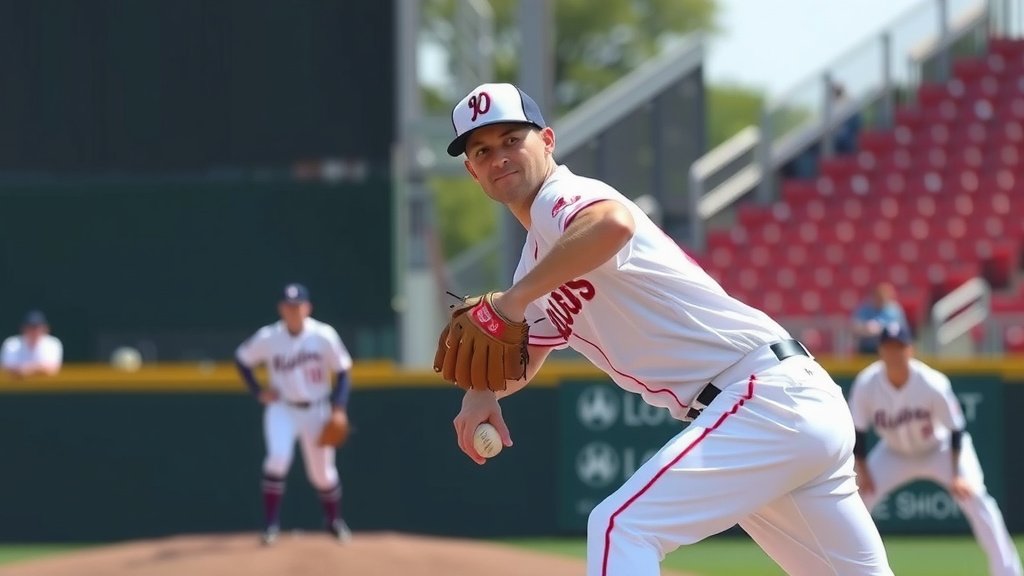
How Fast Do Pitchers Throw? Understanding Baseball Velocity
Pitchers can throw the baseball incredibly fast, often reaching speeds of 90 to 100 miles per hour. Some elite professional pitchers can even exceed 100 mph, making it a real challenge for batters to react. The average speed for a professional baseball pitch is typically around 90 mph.
Understanding pitch speed involves looking at different levels of play. While major league pitchers are known for their velocity, even pitchers in college and high school can throw with surprising power. Many factors contribute to how hard a pitcher can throw, from their physical conditioning to their throwing mechanics.
- Professional pitchers throw between 90-100 mph on average.
- Elite pitchers can throw over 100 mph.
- Pitching speed depends on physical ability and technique.
- Youth league speeds are much lower.
- Pitcher training focuses on arm strength and control.
We’ve gathered the key information on pitcher speeds. Let’s break down what affects how fast they can throw, from Little League to the big leagues.
You’re likely curious about just how fast these pitchers can hurl a baseball. It’s a question that crosses the minds of fans and players alike. The speeds we see on the diamond can be astonishing. Let’s dive into the numbers and see what makes a pitcher throw so hard.
Understanding Pitching Velocity Ranges
The speed of a baseball pitch is measured in miles per hour (mph). It tells you how quickly the ball travels from the pitcher’s hand to the catcher’s mitt. This velocity is a key component of a pitcher’s effectiveness.
Professional Baseball Speeds
In professional baseball, like Major League Baseball (MLB), speeds are consistently high. Most professional pitchers throw fastballs in the 90 to 100 mph range. This is considered elite velocity. It puts immense pressure on batters to make split-second decisions.
The 100 MPH Club
There’s a special group of pitchers who can throw even faster. We’re talking about those who break the 100 mph barrier. These pitchers are rare and possess extraordinary arm strength. Their pitches can seem almost unhittable.
Average MLB Fastball
While top speeds grab headlines, the average fastball speed in MLB is around 90 mph. This means many pitchers are consistently throwing hard. It sets a high bar for what’s considered a normal pitch speed at this level.
College and High School Pitching Speeds
Pitching velocity often increases as players move up through different levels of baseball. College pitchers might average in the 80s mph. High school pitchers can vary greatly. Some top high school arms might touch 90 mph or more. Many others will throw in the 70s mph range.
Youth Baseball Speeds
Speeds are naturally much lower in youth leagues. Little League pitchers might throw somewhere between 40-60 mph. As young players grow and develop, their arm strength and pitching mechanics improve. This leads to increased pitch speeds over time.
Factors Influencing Pitching Speed
What makes one pitcher throw harder than another? It’s not just one thing. A combination of physical attributes and technical skill plays a huge role. We’ve found several key areas that contribute to velocity.
Physical Conditioning and Strength
A pitcher’s body is like a finely tuned engine. Strong legs, core, and shoulder muscles are essential. They provide the power and stability needed to throw hard. This requires dedicated strength and conditioning programs. Many experts suggest a focus on full-body strength, not just the arm (National Strength and Conditioning Association).
Leg Drive
Believe it or not, leg strength is incredibly important. Pitchers use their legs to generate power from the ground up. A strong push off the rubber transfers energy through the body to the arm. Without good leg drive, a pitcher will struggle to reach higher speeds.
Core Strength
Your core is your body’s power center. It connects your lower body to your upper body. A strong core allows for efficient transfer of energy. This means more of the power generated by your legs actually makes it to the ball. We found that pitchers with a strong, stable core can typically throw harder.
Throwing Mechanics and Technique
Even with great physical strength, poor mechanics can limit velocity. A pitcher needs a smooth, efficient motion. Every part of the kinetic chain must work together. This chain starts with the legs and finishes with the release of the ball.
Arm Slot and Angle
The angle at which a pitcher releases the ball matters. A consistent and optimal arm slot helps maximize velocity. Too high or too low an angle can reduce the effective speed the batter sees. Pitching coaches spend a lot of time refining this aspect.
Grip and Release Point
How a pitcher grips the ball can affect spin and velocity. The exact moment the ball leaves the fingers is also critical. A clean release point ensures all the energy is directed towards the target. A late or early release can cost precious mph.
Genetics and Body Type
We can’t ignore genetics. Some individuals are naturally built for speed. Factors like longer limbs or a certain muscle fiber composition can play a role. While training can improve velocity, genetics often sets the upper limit for some pitchers.
How Pitchers Train for Velocity
Professional pitchers don’t just wake up throwing 100 mph. It takes years of dedicated training. Their routines are designed to build arm strength, improve mechanics, and prevent injury. Here’s a look at common training methods.
Strength and Conditioning Programs
As mentioned, physical fitness is key. Pitchers follow specialized workout plans. These focus on building strength in their legs, core, and back. They also work on shoulder and rotator cuff strength. This helps withstand the stress of throwing hard (American Sports Medicine Institute).
Pitching Drills
Specific drills help pitchers refine their technique. These can include long toss, crow hops, and weighted ball programs. Long toss helps build arm strength and develop a consistent throwing motion. Weighted balls are used carefully to build power.
Rest and Recovery
Throwing hard puts a lot of strain on the arm. Proper rest is just as important as training. Pitchers need adequate recovery time between outings. This allows their muscles to repair and rebuild. Sleep and nutrition are also vital components of recovery.
| Level of Play | Typical Fastball Speed Range (mph) |
|---|---|
| Little League | 40 – 60 |
| High School | 65 – 85+ |
| College | 80 – 95+ |
| Minor League | 88 – 97+ |
| Major League | 90 – 100+ |
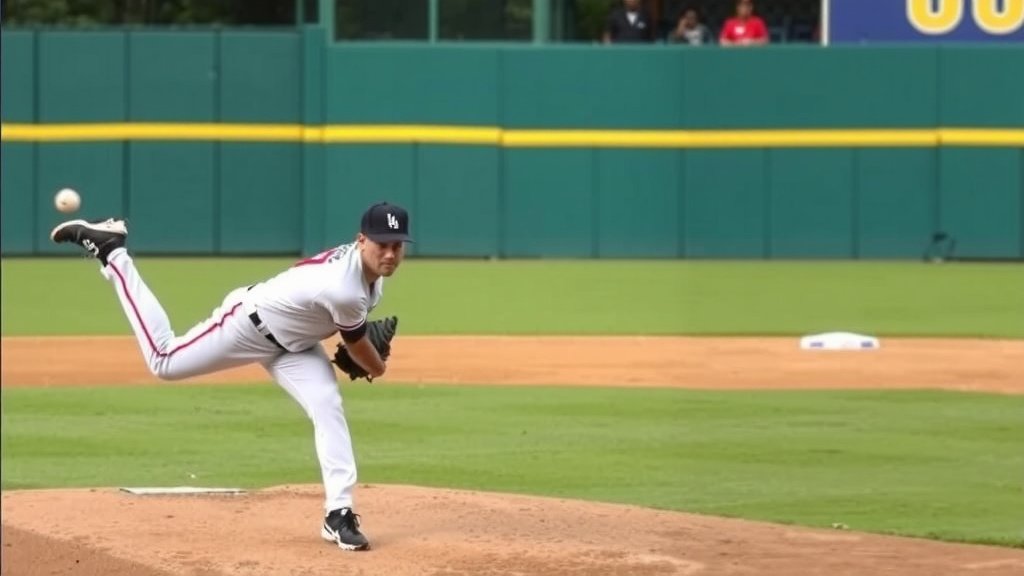
Key Takeaways for Improving Pitch Speed
Whether you’re a young player or a seasoned coach, understanding pitch speed is important. Here are some quick points to remember about training for velocity:
- Focus on full-body strength, not just the arm.
- Develop proper throwing mechanics early.
- Consistency in your arm slot is important.
- Listen to your body and prioritize rest.
- Advanced training requires expert guidance.
Conclusion
You’ve seen that pitching velocity is a fascinating mix of raw talent and hard work. From the youthful enthusiasm of Little League to the thunderous power of MLB aces, speed increases with development. Remember, it’s your legs and core that fuel your arm. Proper mechanics and consistent training are your best friends.
Keep refining your technique, stay strong, and listen to your body. You can take steps today to improve your pitching. Focus on building a solid foundation, and you’ll see your speed improve over time.
Frequently Asked Questions
What’s the difference in speed between a Little League pitcher and an MLB pitcher?
The difference is quite substantial. Little League pitchers typically throw between 40-60 mph. In contrast, Major League Baseball pitchers consistently throw fastballs in the 90-100 mph range, with some exceeding that.
Can someone without natural talent become a faster pitcher?
Yes, absolutely. While genetics play a role, dedicated training can significantly increase pitch speed. Focusing on strength, conditioning, and refining your throwing mechanics can make a big difference.
How important is core strength for a pitcher’s speed?
Core strength is extremely important, research shows. Your core acts as a bridge, transferring power from your legs to your arm. A stronger core means more efficient energy transfer and potentially higher pitch speeds.
Why do some pitchers throw harder than others with similar mechanics?
Even with similar techniques, factors like genetics and muscle composition can contribute to speed differences. Some individuals may have natural advantages in muscle fiber type or limb length that allow for greater velocity.
Is it possible to throw 100 mph without being a professional athlete?
While extremely rare, some non-professional athletes might reach high speeds due to exceptional natural ability and training. However, consistently throwing 100 mph is generally achieved through the specialized training and physical development common in professional baseball.