Master Outfield Play: Essential Tips for Baseball Players
Playing outfield in baseball or softball means you’re the last line of defense. You’ll be responsible for catching fly balls and fielding grounders hit past the infielders. It requires good awareness, quick reactions, and strong throwing ability to prevent runners from advancing and secure outs. Mastering outfield play is key to any successful team.
Beyond just catching and throwing, outfielders need to understand baseball strategy. Knowing when to charge a ground ball or when to play it safe is important. You also need to communicate effectively with your fellow outfielders and the infield. This helps avoid collisions and ensure plays are made cleanly.
- Always face the batter when the ball is hit.
- Know when to back up other outfielders.
- Practice your throwing accuracy and arm strength.
- Communicate with your teammates.
- Understand proper footwork for different types of hits.
Let’s walk through exactly how to play outfield step by step, covering the essentials from stance to throwing.
Mastering Your Role as an Outfielder
Playing outfield is about more than just running after fly balls. It’s about being a smart defender and a strong arm for your team. You’re the last line of defense, so your actions can make a huge difference in a game. Let’s get you ready to make those big plays.
Your Starting Position: The Ready Stance
Where you stand and how you stand matters a lot. It sets you up to react quickly to whatever the batter hits. Being in the right place from the start can turn a potential extra-base hit into an out.
Finding Your Spot on the Field
Your general position depends on the batter’s tendencies and the game situation. For most players, this means being deep enough to get behind fly balls. You want to be far enough back so you have time to read the ball’s flight path. Don’t get too close to the fence, though; you need room to move forward on ground balls.
The Proper Stance
When the pitcher is on the mound, you should be in a balanced, athletic stance. Your feet should be about shoulder-width apart. Bend your knees slightly, just like you’re about to spring into action. Keep your weight on the balls of your feet. Your glove should be out in front of you, resting on the ground or slightly off it.
This ready stance allows you to move in any direction – forward, backward, or to the sides – without hesitation. It’s your launchpad for making plays. Think of it as being coiled, ready to spring. Many coaches talk about this stance as the foundation of good outfield play (American Baseball Coaches Association).
Reading the Ball: The Key to Success
Once the ball is hit, your eyes are everything. You need to track the ball from the moment it leaves the bat. This is where practice really pays off. Being able to tell if a ball is a fly ball or a grounder early on is essential.
Tracking Fly Balls
As soon as the ball is hit in the air, your eyes should lock onto it. Follow its trajectory. Does it have a high arc, or is it a line drive? This tells you how much ground you’ll need to cover. If it’s a deep fly ball, you’ll likely need to go back towards the fence. If it’s shallower, you might need to move forward.
Handling Ground Balls
On ground balls, your job is a bit different. You’re often the last line of defense against runners advancing into scoring position. You need to get to the ball quickly and cleanly. If the ball is hit right at you, approach it aggressively. If it’s to your side, you’ll need to move efficiently.
Charging vs. Letting It Go
This is a critical decision. If a ground ball is hit a medium distance away, you might want to charge it. This means moving in quickly to field the ball on the short hop or even before it bounces. This cuts down the runner’s time. However, charging isn’t always the right move. If the ball is hit very hard or wide, it might be safer to let it go and back up the infielders.
Research shows that quicker responses to ground balls lead to fewer extra-base hits (Baseball America). Consider the speed of the runner heading to the next base. If they are slow, you can afford to play it a bit safer. If they are fast, you need to be more aggressive.
Footwork: Moving Like a Pro
Good footwork is what separates an average outfielder from a great one. It’s not just about speed; it’s about efficiency and balance.
Moving Back for Fly Balls
When going back, take several strong, crossover steps. Don’t just run in a straight line. Use your crossover steps to build momentum. As you get close to where you think the ball will land, slow down and get your feet set. You want to be in a position to catch the ball comfortably in front of you.
Moving In for Ground Balls
When you need to move forward on a grounder, use a shuffle step or a crossover step depending on the distance. Get your body in front of the ball. This ensures you have a good chance to field it cleanly. Your goal is to make the ball come to you, not the other way around.
Moving to Your Side
For balls hit to your left or right, use crossover steps. Keep your eyes on the ball. As you approach the ball, turn your shoulders so they are square to the direction you will throw. This prepares you for a strong, accurate throw.
Catching the Ball: Technique Matters
Catching a fly ball seems simple, but there’s a proper technique to ensure you don’t drop it.
The “Alligator” Catch (High Fly Balls)
For balls hit high in the air, reach up with your glove. As the ball comes down, close your glove around it like an alligator’s jaws. This is often called the “alligator” or “basket” catch. Your bare hand should come over the top to secure the ball.
The “Pocket” Catch (Lower Fly Balls)
For balls hit on a line or lower fly balls, you want to present a firm glove. Keep your glove on the ground or low if the ball is hit near the ground. As the ball enters your glove, bring your bare hand in to cover and secure it. Many outfielders prefer to catch the ball in the “pocket” of their glove, which is the area where the leather meets.
Catching Against the Wall or Fence
This is tricky and requires practice. Always be aware of the fence. Don’t run full speed into it. If a ball is hit deep, run back under control. Try to judge the bounce off the fence if it’s a short, deep fly ball. If it’s a long fly, try to catch it before it hits the fence.
Throwing: Your Arm is Your Weapon
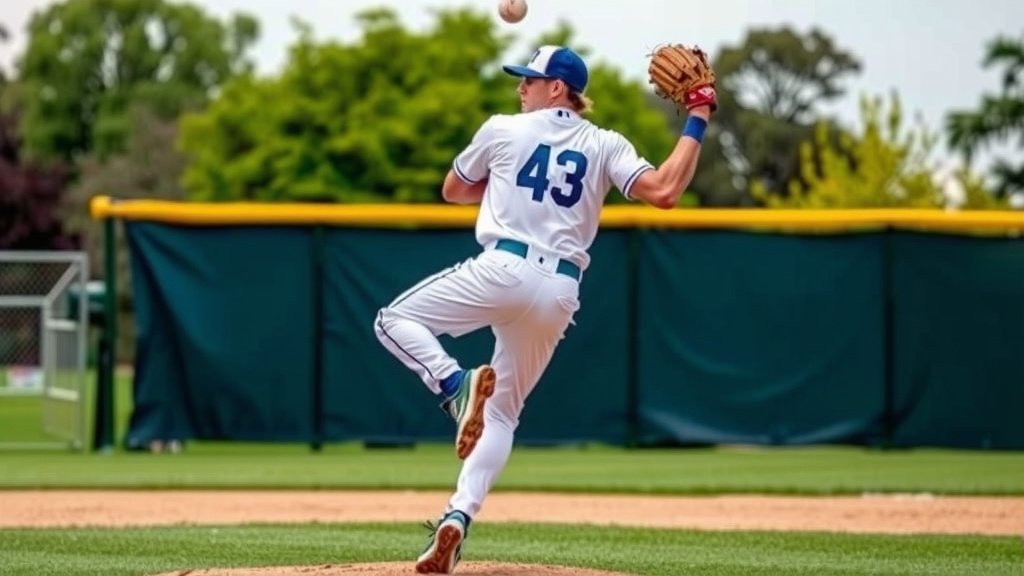
An outfielder’s arm is a major asset. You need to be able to throw accurately and with power to keep runners from advancing.
Gauging Your Throw
The most important thing is to know where you want to throw the ball before you catch it. Is it a single? You might need to throw it to the cutoff man. Is it a double? You’ll need to throw it harder and possibly directly to the base. Is the runner trying to score? You need your strongest throw to the right spot.
The Cutoff Man is Your Best Friend
You rarely throw directly to a base from the outfield unless it’s a very short hit or you’re absolutely sure you can make the play. Instead, you throw to an infielder who acts as a cutoff man. This player positions themselves between you and the target base. They can then redirect the throw if needed or catch it and make their own throw.
Many experienced players and coaches emphasize the importance of the cutoff man system (NCAA Baseball Rules Committee). It’s a team effort. Make sure you communicate with your cutoff man so you both know where the throw is going.
Making a Strong, Accurate Throw
When you field the ball, get your feet set so you are throwing in the direction of your target. Bring the ball up and step with your opposite foot. Follow through with your arm motion. A good follow-through will help with both accuracy and arm strength. Practice throwing to specific targets to improve your aim.
Communication: The Unsung Hero
You are not alone out there. Talking to your teammates is absolutely vital for success and safety.
Calling for the Ball
If a ball is hit between outfielders, one person needs to take charge. Yell “I got it!” or “Mine!” clearly and loudly. The other outfielder should then back away and let that person make the play. This prevents collisions and ensures the ball is caught.
Warning Teammates
You might see a fence, a wall, or another player in a dangerous spot. Yell a warning: “Watch the fence!” or “Heads up!” This simple communication can prevent injuries.
Talking About the Play
Communicate with your infielders as well. Let them know if you’re going to charge a ground ball or if you’re backing them up. This coordinated effort makes the defense much stronger. Good communication often leads to fewer errors (The American Journal of Sports Medicine).
Situational Awareness: Thinking the Game
Outfield play isn’t just about physical skills; it’s about making smart decisions.
Knowing the Score and Outs
This dictates how aggressively you should play a ball. If your team is ahead by a lot, you might play a little deeper. If the game is close, you’ll want to play more aggressively to prevent runners from advancing.
Understanding the Batter
Does the batter hit for power? Are they a slap hitter? Knowing the tendencies of the hitter helps you anticipate where the ball might go and how hard it might be hit. Adjust your positioning and readiness accordingly.
Relaying Signs
Sometimes, coaches will give signs to infielders or outfielders. Be alert to these. You might need to shift your position based on a specific sign.
Practice Drills for Outfielders
You can improve your outfield skills significantly with focused drills. Here are a few to get you started:
- Ground Ball Pickup: Have a coach or teammate hit ground balls at you. Practice fielding them cleanly and making a strong throw.
- Fly Ball Tracking: Have balls hit to you at varying distances and heights. Practice running them down and catching them.
- Cutoff Drills: Practice throwing to a cutoff man from different outfield positions. Focus on accuracy and strong throws.
- Communication Drills: Have two outfielders practice calling for fly balls hit between them.
- Wall Balls: If you have a practice wall, practice fielding balls that hit the wall and reacting quickly.
Your Outfield Checklist
- Always get into your ready stance before the pitch.
- Track the ball from the bat to your glove.
- Use your voice to communicate with teammates.
- Know your cutoff man and throw accurately.
- Practice your footwork for all types of hits.
Conclusion
You’ve learned the core skills to excel as an outfielder. Mastering your ready stance, tracking the ball, and using proper footwork will make you a reliable defender. Remember that strong, accurate throws, clear communication, and smart situational awareness are just as important as catching fly balls. Putting these techniques into consistent practice will transform your game. Your next step? Get out there and put in the reps!
Frequently Asked Questions
How far back should an outfielder stand?
Your starting position depends on the batter and game situation. Generally, you want to be deep enough to get behind fly balls but not so close to the fence that you can’t get to grounders. Aim for a spot where you have time to read the ball’s flight.
What’s the best way to catch a fly ball?
For high balls, use an “alligator” or “basket” catch, bringing your bare hand over the top to secure it. For lower line drives, present a firm glove and use your bare hand to cover the ball once it’s in the pocket. Always try to catch the ball in front of your body.
When should an outfielder charge a ground ball?
You should charge a ground ball when it’s hit a medium distance away, allowing you to field it on the short hop or before it bounces. This cuts down the runner’s time. If the ball is hit very hard or wide, it’s safer to let it go and back up the infielders.
Why is the cutoff man so important for outfielders?
The cutoff man is crucial because outfielders rarely throw directly to a base. They act as an intermediary, positioned between you and the target. This allows for a more accurate throw and gives them the option to redirect the ball if needed, ensuring a better chance of an out.
How can I improve my outfield throwing accuracy?
Practice is key. Focus on setting your feet so you’re throwing towards your target before you even catch the ball. Step towards your target as you throw and follow through with your arm. Practice throwing to specific spots to hone your aim.