Mastering Little League Coaching: A Beginner’s Guide
Coaching Little League is about building character and teaching fundamentals. You’ll focus on fun, sportsmanship, and developing basic baseball skills. It’s less about winning and more about positive development for young players.
Becoming a good coach means understanding the age group you’re working with. We found that even young kids can grasp important lessons about teamwork and fair play. Your role is to be a positive role model and guide their experience on the field.
- Focus on fun and participation.
- Teach basic baseball skills clearly.
- Emphasize sportsmanship and teamwork.
- Be a positive role model.
- Keep practices engaging and short.
Let’s walk through exactly how to coach Little League, from running practices to managing game day.
Guiding Young Athletes: Your Little League Coaching Journey
Coaching Little League is a rewarding experience. You’ll help young players develop skills and a love for the game. Your role is to be a positive influence and a good role model. We found that most coaches focus on creating a fun and safe environment. Let’s dive into how you can make your coaching season a success.
Structuring Effective Practices
Practice is where the magic happens for young athletes. You’ll build skills and teamwork here. Keeping practices engaging is key. Little Leaguers have short attention spans. We found that practices should be 60-90 minutes long for this age group. Shorter, focused sessions work best. Think of it like short bursts of energy!
Warm-Up Like a Pro
Start every practice with a proper warm-up. This helps prevent injuries. It also gets their bodies ready to play. A good warm-up includes light cardio. Jogging laps or jumping jacks work well. Then, move to dynamic stretches. Arm circles and leg swings are great options. Many sports medicine experts stress the importance of dynamic warm-ups over static holds for young athletes (CDC).
Drills for Skill Development
Focus on fundamental baseball skills. These include throwing, catching, hitting, and fielding. Keep drills simple and repetitive. Young players learn by doing. We found that breaking down skills into smaller steps helps. For example, when teaching throwing, focus first on grip. Then, work on the throwing motion.
Throwing and Catching Drills
Start with partners standing close together. They can practice soft tosses. Gradually increase the distance as they improve. Encourage good form. Eyes on the ball are essential for catching. For throwing, teach them to step towards their target.
Hitting Fundamentals
Begin with tee work. This allows them to focus on their swing. Ensure a balanced stance and a level swing. As they get better, introduce soft toss. Then, move to coach pitch. We found that positive reinforcement is vital here. Even a little encouragement goes a long way.
Fielding Practice
Use ground balls and fly balls. Teach them to get in front of the ball for grounders. For fly balls, teach them to watch the ball all the way into their glove. Positioning is also important. Teach them to be ready for the ball.
Fun and Games
Mix in fun games. This keeps their energy up. It also reinforces skills in a playful way. A quick game of relay races can practice throwing. A base-running game can build speed and agility. We found that kids learn best when they’re having fun.
Game Day Strategies and Sportsmanship
Game day is exciting for players and parents alike. Your main goal is to guide them through the experience. Winning is nice, but sportsmanship is paramount. You are teaching life lessons here.
Pre-Game Preparation
Arrive early to the field. Set up your equipment. Talk to your team before the game. Remind them of the game plan. Most importantly, remind them to have fun and play fair. We found that a calm demeanor from the coach is contagious.
Coaching from the Dugout
Be a positive presence. Cheer for good plays. Encourage effort, not just success. Avoid yelling at umpires. This teaches respect for authority. Your example is what they will follow. Many child development experts suggest coaches focus on effort and learning (Positive Coaching Alliance).
Managing Playing Time
Fair playing time is a Little League rule. Ensure all players get a chance to play in the field and bat. We found that players understand when they’re given opportunities. Rotate positions to let them try different roles. This builds well-rounded players.
The Importance of Sportsmanship
Teach your players to respect their opponents. They should shake hands after the game. Congratulate the other team if they win. If you lose, teach them to do so with grace. This is a core value in Little League. We found that coaches who model good sportsmanship have teams that follow suit.
Your Role as a Positive Influence
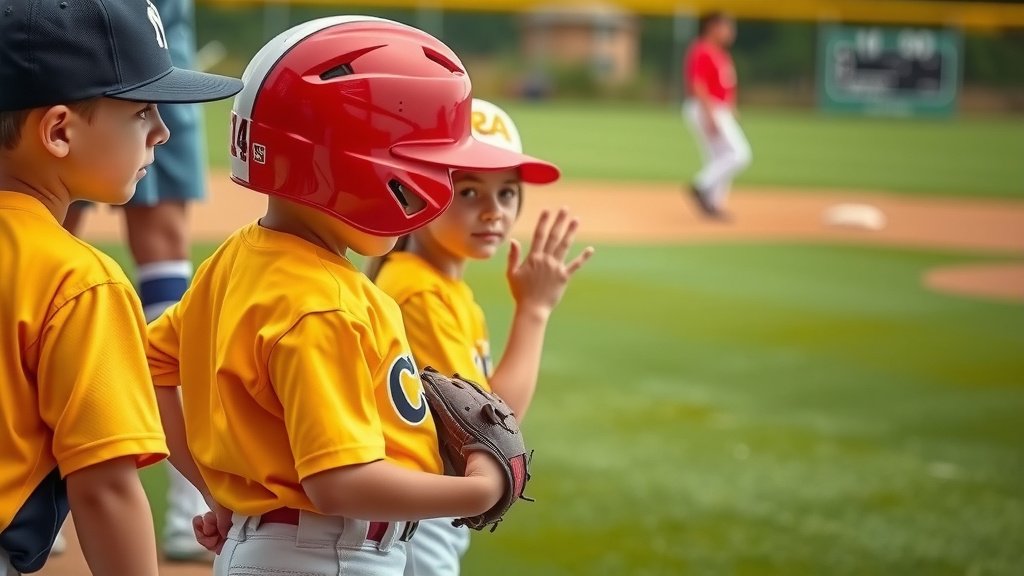
Coaching Little League is about more than just baseball. You are shaping young minds. Your actions and words have a big impact. Be the kind of coach you would want for your own child.
Communication is Key
Talk to your players regularly. Ask them how they’re feeling. Listen to their concerns. Also, communicate with parents. Keep them informed about team events and expectations. We found that open communication builds trust.
Focus on Effort and Improvement
Praise effort, not just outcomes. A player who strikes out but runs hard to first base deserves recognition. Celebrate small improvements. This builds confidence. We found that focusing on the process, not just the score, leads to better long-term development.
Dealing with Mistakes
Mistakes are part of learning. Don’t dwell on them. Help players learn from their errors. A dropped ball or a missed hit happens. Move on to the next play. Your reaction sets the tone. We found that a calm, supportive response helps kids bounce back.
Essential Coaching Checklist
Here’s a quick checklist to keep you on track this season:
- Plan and structure your practices.
- Focus on fundamental skills first.
- Incorporate fun drills and games.
- Always prioritize sportsmanship.
- Ensure fair playing time for everyone.
- Be a positive role model.
Conclusion
Coaching Little League is a journey of positive influence and skill-building. You’ve learned how to structure engaging practices, teach fundamental baseball skills, and manage game days with a focus on sportsmanship. Remember, your role extends beyond the game. You are a mentor, guiding young athletes in teamwork, effort, and respect. By creating a fun and supportive environment, you help players grow on and off the field. So, take these strategies, be present, and enjoy the rewarding experience of coaching this season. Your positive impact will last long after the final out.
Frequently Asked Questions
How often should Little League practices be?
We found that for this age group, practices should be about 60 to 90 minutes long. Keeping them shorter and more focused is better for young attention spans. Shorter sessions help maintain energy and engagement.
What are the most important baseball skills to teach first?
You should start with the fundamentals: throwing, catching, hitting, and fielding. Break down each skill into simple steps. Repetition and clear instruction are key for young learners.
How can I make practices more fun for kids?
Mix in games and fun drills to keep energy high. Relay races can practice throwing, and base-running games build speed. Kids learn best when they are actively engaged and enjoying themselves.
What should I do if a player is struggling to learn a skill?
Stay patient and positive. Focus on their effort and small improvements. Sometimes breaking the skill down even further or offering individual encouragement can make a big difference.
How do I handle disagreements with umpires or parents?
Always maintain a respectful demeanor. Avoid arguing with umpires, as your players are watching. For parents, clear and open communication about team expectations and your coaching philosophy usually works best.