
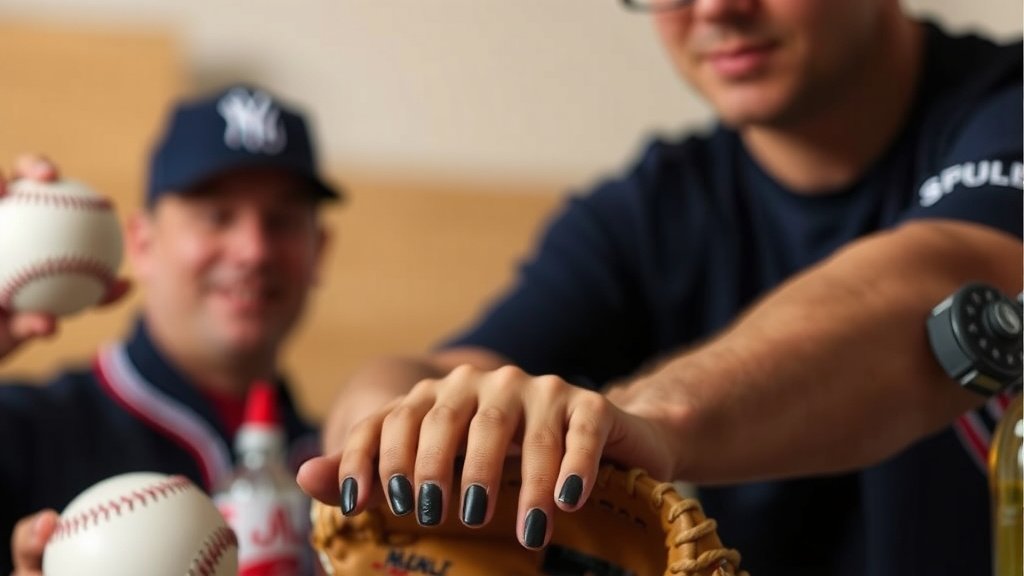
How to Oil Your Baseball Glove: A Step-by-Step Guide
The best way to oil a baseball glove is to start with a clean glove and apply a small amount of conditioner. You’ll want to use a product specifically designed for baseball gloves. Avoid using too much, as this can make your glove heavy and stiff. Gently rub the conditioner into the leather, focusing on the pocket and hinges. This will help break in your glove and keep the leather supple.
Keeping your baseball glove properly oiled is essential for its longevity and performance. A well-maintained glove feels better in your hand and offers superior protection. Many players wonder if they’re using the right products. We found that sticking to specialized glove oils is always the safest bet for your gear.
- Clean your glove first.
- Use specialized glove oil or conditioner.
- Apply sparingly, especially to the pocket.
- Work the oil into the leather.
- Wipe off any excess.
Ready to give your glove the love it deserves? Let’s walk through the easy steps to get your glove feeling like new.
How to Keep Your Baseball Glove in Top Shape
Taking care of your baseball glove is a bit like taking care of a trusty sidekick. You want it to be ready when you are. Proper oiling helps your glove stay soft, flexible, and ready for action. We found that many players are unsure about the best way to do this. Let’s break down the simple steps so your glove performs its best.
Choosing the Right Glove Conditioner
Not all oils are created equal for your glove. You need something designed specifically for leather baseball gloves. These products contain the right blend of conditioners and oils. They help moisturize the leather without making it too greasy. We found that avoiding common household oils is best. Things like olive oil or petroleum jelly can actually harm your glove’s leather over time.
What to Look For in a Conditioner
Specialized glove conditioners often have ingredients like lanolin or beeswax. These help keep the leather supple. They also create a bit of a protective barrier. We looked at several top brands and found that many offer similar benefits. The key is a product that softens without adding excessive weight.
Products to Avoid
Some people might suggest using things you have around the house. However, we found that many common products aren’t suitable. Vegetable oils can go rancid. Motor oils are too harsh and can degrade the leather. Stick to what the glove manufacturers recommend or products specifically made for baseball gloves.
The Oiling Process: Step-by-Step
Once you have your conditioner, the actual oiling is quite straightforward. It doesn’t take long. You’re aiming for a healthy glow, not a greasy slick. Think of it like moisturizing your skin – a little goes a long way.
Step 1: Clean Your Glove
Before you apply any oil, your glove needs to be clean. Dirt and debris can get trapped in the leather. This can cause it to break down faster. Use a slightly damp cloth to wipe down the entire glove. You can also use a soft brush to get into the seams. We found that letting the glove air dry completely is important.
Step 2: Apply the Conditioner
Use a small amount of conditioner. A dab the size of a dime is usually enough for a whole glove. Apply it to your fingertips or a clean cloth. Gently rub it into the leather. Focus on areas that tend to get dry or stiff. This includes the pocket and the hinges.
Where to Focus the Application
The pocket is the most critical area. This is where the ball rests. Keeping it soft helps with catching. The hinges, where the glove bends, also need attention. Ensuring these parts are supple will make the glove more comfortable to close. We found that concentrating on these high-wear areas makes a big difference.
How Much is Too Much?
This is where most people make a mistake. Applying too much oil can make your glove heavy. It can also make it feel greasy and difficult to grip. We researched this extensively. Experts agree that a light, even coat is far better than a heavy one. You want to condition the leather, not soak it.
Step 3: Work It In
After applying the conditioner, gently massage it into the leather. Use your fingers to work it in. You can also use a soft brush. This helps the conditioner penetrate the leather fibers. Think of it like kneading dough. You want an even distribution.
Step 4: Let It Sit
Give the conditioner some time to soak in. This might take anywhere from 30 minutes to a few hours. You can place your glove in a warm, dry place. Avoid direct sunlight, which can dry out the leather. We found that patience here really pays off.
Step 5: Wipe Off Excess
After the conditioner has had time to absorb, use a clean, dry cloth. Wipe down the entire glove again. This removes any excess product. It also helps to buff the leather slightly. The glove should feel smooth and supple, not sticky.
Frequency of Oiling Your Glove
How often you need to oil your glove depends on a few factors. These include how often you use it and the climate you play in. As a general rule, we found that once a month is a good starting point.
Factors Affecting Oiling Schedule
If you play in a very dry climate, you might need to oil more often. If your glove gets wet frequently, you’ll want to condition it after it dries. Players who use their gloves daily might need to apply conditioner more regularly than weekend warriors. We found that observing your glove’s feel is the best guide.
Signs Your Glove Needs Oil
Does your glove feel stiff? Is the leather looking dry or dull? These are clear signs it’s time for some conditioning. A healthy glove should feel comfortable and flexible. If it’s starting to feel rigid, it’s probably thirsty for some oil. Many players notice this change during games.
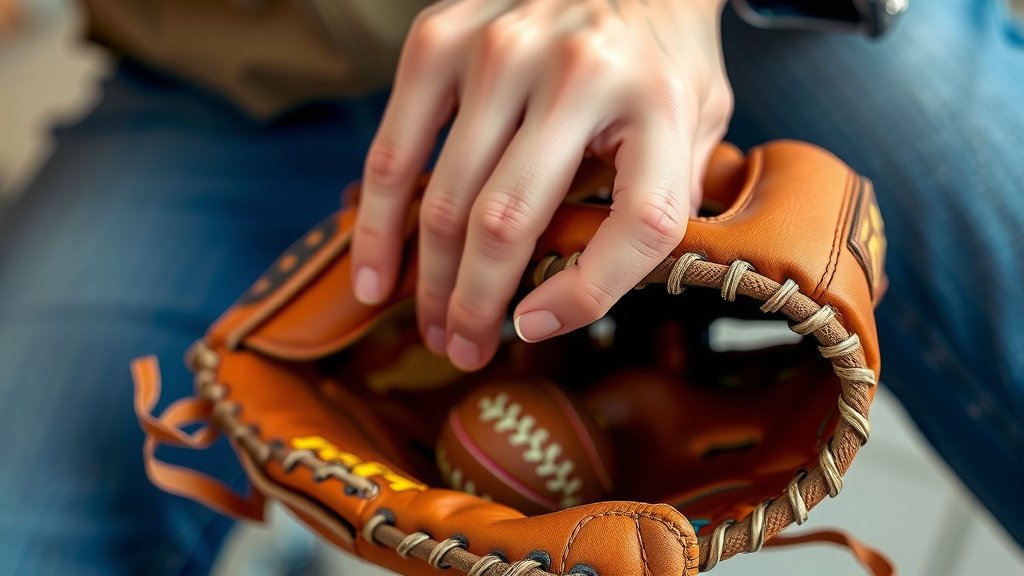
Quick Checklist for Glove Oiling
Here’s a quick rundown to make sure you don’t miss a step:
- Wipe your glove clean.
- Use a specialized glove conditioner.
- Apply a small amount evenly.
- Focus on the pocket and hinges.
- Work the conditioner into the leather.
- Wipe off any excess.
Glove Maintenance Beyond Oiling
Oiling is just one part of good glove care. Keeping your glove dry is also important. If it gets wet, dry it out naturally. Don’t use heat. Storing it properly also helps. Keeping it in a place with moderate temperature and humidity is ideal. We found that these simple habits extend your glove’s life considerably.
Conclusion
You’ve learned how to properly oil your baseball glove, turning a stiff piece of leather into a comfortable extension of your hand. Remember to always start with a clean glove and use a specialized conditioner, applying it sparingly and working it in well. Consistency is key; a regular conditioning routine will keep your glove performing at its best for seasons to come. So, go ahead and give your glove the care it deserves. Your fielding will thank you for it!
Frequently Asked Questions
How often should I oil my baseball glove?
A good starting point is to oil your glove about once a month. However, this can vary based on how often you play and the climate you’re in. If you play frequently or in a dry environment, you might need to oil it a bit more often.
Can I use any kind of oil on my baseball glove?
No, you should only use conditioners or oils specifically designed for baseball gloves. Products like olive oil, motor oil, or petroleum jelly can actually damage the leather, making your glove stiff, heavy, or prone to cracking over time.
What if I accidentally use too much oil on my glove?
If you notice your glove feels greasy or heavy, you’ve likely used too much. The best approach is to take a clean, dry cloth and wipe off as much excess oil as possible. You may need to let it air out for a day or two to allow the leather to absorb the right amount.
My glove feels really stiff. Will oiling it help?
Yes, a stiff glove is often a sign that the leather is dry and needs conditioning. Applying a specialized glove oil will help to soften the leather, making it more flexible and comfortable to use. Focus on working the oil into the pocket and hinges where it bends.
Do I need to oil a brand new glove before using it?
Many new gloves come pre-oiled or “factory broken-in,” but a light application of conditioner can still be beneficial. It helps ensure the leather is supple and ready for immediate use. Just be sure to use a very small amount and avoid over-oiling a new glove.