Why Pitchers Throw Warm Up Pitches
Pitchers throw warm-up pitches to get their arms ready for the game. It’s like stretching before a workout, helping to prevent injuries and improve performance. This controlled process helps them build arm strength and find their rhythm on the mound.
These pitches are vital for a pitcher’s success. They allow the pitcher to feel the ball and make necessary adjustments to their mechanics. Warming up properly ensures the muscles are prepared for the explosive movements of pitching, reducing strain and increasing control.
- Pitchers warm up to prepare their arms for pitching.
- This prevents injuries and helps improve performance.
- It allows pitchers to adjust their mechanics.
- Proper warm-ups ensure muscles are ready for action.
Below, we’ll dive into why these warm-up pitches are so important and what goes into a pitcher’s pre-game routine.
Why Pitchers Really Need Those Warm-Up Pitches
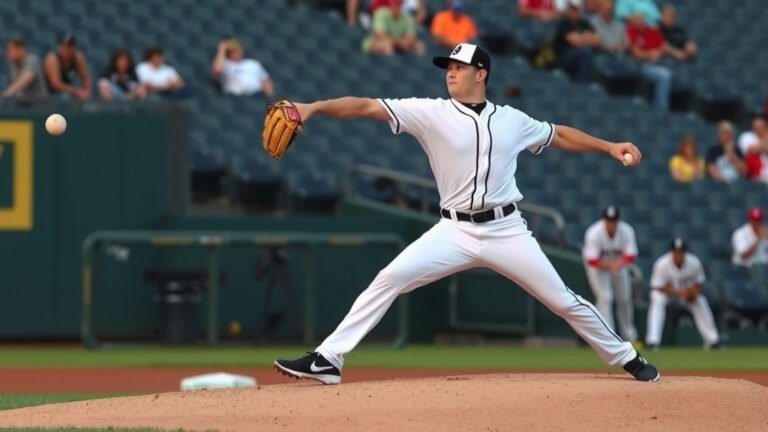
You might see a pitcher on the mound before a game, casually tossing the ball back and forth. These aren’t just for show. Pitchers throw warm-up pitches to prepare their bodies and minds for the demands of a game. It’s a science, really. They’re building up the arm’s readiness. This helps prevent injuries and improves how well they can throw.
Getting the Arm in Game Shape: The Physical Side
Think of your arm muscles like a rubber band. If you try to stretch a cold rubber band too fast, it might snap. Your arm muscles are similar. Pitching involves sudden, powerful movements. These movements put a lot of stress on your muscles and joints. Warm-up pitches are designed to slowly increase the blood flow to these muscles. This makes them more flexible and less likely to get hurt.
Increasing Blood Flow and Muscle Temperature
When you start throwing, your arm muscles are relatively cold. This means they’re stiff and less elastic. Throwing a few pitches gently helps to increase the temperature of these muscles. Warmer muscles can stretch and contract more effectively. Research shows that muscles that are warmed up are more resistant to strain injuries. This is a key reason why pitchers start slow and gradually increase their throwing intensity.
Preparing the Joint and Ligaments
It’s not just the muscles. The shoulder and elbow joints also need preparation. These joints have ligaments and tendons that connect everything. Throwing warm-up pitches helps to lubricate these joints. It allows the synovial fluid to circulate. This fluid acts like oil in an engine. It reduces friction and makes movement smoother. Without this, the stress on the joints during a game could be much higher.
Building Arm Strength Gradually
The explosive nature of pitching requires a lot of strength. Pitchers don’t just wake up ready to throw 90 miles per hour. They need to build up to it. The initial warm-up pitches are thrown at lower speeds. This allows the arm to adapt to the motion. As they progress through their warm-up, they gradually increase the velocity. This builds their arm strength in a controlled way. Many experts say this gradual increase is vital for long-term arm health (American Journal of Sports Medicine).
The Mental Game: Getting in the Zone
Pitching isn’t just a physical act; it’s a mental one too. Pitchers need to get their minds focused. Warm-up pitches help them achieve this. It’s a chance to clear their heads and concentrate on the task ahead. They can start thinking about their approach to batters.
Finding Your Rhythm and Feel for the Ball
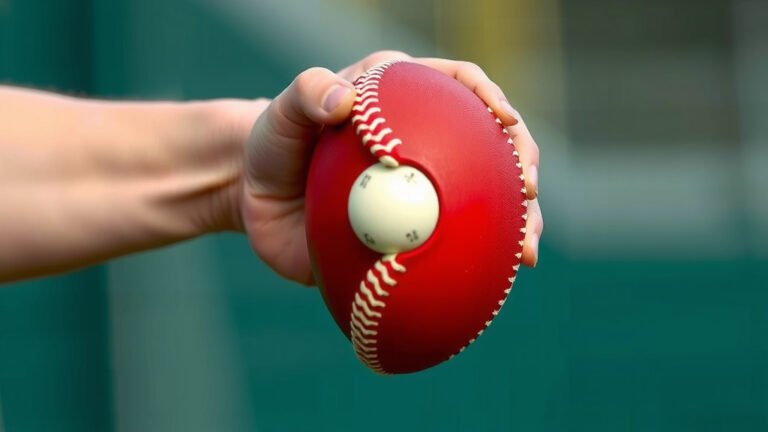
Every pitcher has a unique feel for the ball. The grip, the release point, and the follow-through all matter. Warm-up pitches allow a pitcher to get a feel for the baseball itself. They can feel how the seams are gripping. They can make sure their fingers are in the right place. This “feel” is essential for control and accuracy. Without it, a pitcher might feel “off” during the game.
Establishing a Routine and Confidence
Humans thrive on routine. For pitchers, a pre-game warm-up routine is very important. It signals to their body and mind that it’s time to perform. Completing the routine successfully can build confidence. If they feel good during their warm-ups, they’re more likely to feel good during the game. This psychological boost is a powerful tool.
Making Mechanical Adjustments
Sometimes, a pitcher might feel a slight hitch in their delivery. Maybe their arm slot feels a little high or low. The warm-up period is the perfect time to iron out these kinks. They can make small adjustments to their pitching mechanics. They can focus on their balance or their stride length. This is much better than trying to fix things mid-game when the pressure is on. Think of it like tuning a guitar before a concert.
The Stages of a Pitcher’s Warm-Up
A typical warm-up isn’t just randomly throwing. It usually follows a structured progression. This ensures all the necessary steps are covered. Here’s a general idea of what it looks like:
Towel Drills and Long Toss
Before even touching a ball, some pitchers might do towel drills. These mimic the throwing motion without the stress of the ball. Then, they often start with very short, easy throws. This is called long toss. They’ll stand far apart and throw to each other. The distance gradually increases. This builds arm strength gently from a distance. It helps get the arm loose before they’re on the mound.
Bullpen Sessions: The Core Warm-Up
The bullpen is where the real work happens. Here, the pitcher faces a catcher. They’ll throw a series of pitches, often starting with fastballs. They’ll gradually increase the velocity. Then, they might start throwing their other pitches, like curveballs or changeups. They’re feeling out their command. They’re checking their spin. This is also where they might work on specific pitches with the catcher’s feedback. Many coaches emphasize the importance of a focused bullpen session (National Pitching Association).
Pitch Count and Intensity Progression
A pitcher’s warm-up usually has a set number of pitches. They don’t just throw until they feel tired. The intensity increases with each phase. They’ll throw fewer pitches at maximum effort. Most of the throws will be at a moderate intensity. This is all planned to get them ready without overworking their arm before the game even begins.
The Pitfalls of Skipping Warm-Ups
What happens if a pitcher skips these essential steps? The risks are pretty high. We found that skipping warm-ups can lead to immediate problems. It can also hurt a pitcher’s performance throughout the game. It’s like trying to run a marathon without any training.
Increased Risk of Acute Injuries
An acute injury happens suddenly. Think of a muscle tear or a ligament sprain. When muscles are cold and stiff, they are much more prone to tearing. The sudden force of pitching can easily cause damage. We found research suggesting a strong link between inadequate warm-ups and acute throwing injuries in baseball players (The Physician and Sportsmedicine Online).
Decreased Performance and Control
Even if a pitcher avoids injury, their performance will likely suffer. Without proper warm-ups, their arm won’t be at its best. They might lack velocity. Their pitches might not have the same movement. Control can be difficult. They might find themselves throwing more balls than strikes. This makes it harder for the team to win.
Here’s a quick checklist for why warm-up pitches are a must:
- Get muscles loose and flexible
- Increase blood flow to the arm
- Prepare joints and ligaments
- Build arm strength gradually
- Find your feel for the ball
- Get mentally focused for the game
Conclusion
You now understand why those warm-up pitches are so much more than just a formality. They’re essential for preparing your arm’s muscles and joints for the intense demands of pitching. Beyond the physical benefits, these pitches help you find your rhythm, fine-tune your mechanics, and build crucial mental focus and confidence. Skipping this vital step significantly raises your risk of injury and can hurt your overall performance on the mound. So, make sure you’re giving your arm the preparation it needs before every game.
Frequently Asked Questions
How many warm-up pitches should a pitcher throw?
The number of warm-up pitches can vary. It depends on the pitcher’s routine and whether they are starting or relieving. Generally, pitchers aim for a set number of pitches that builds intensity gradually. This ensures their arm is ready without overworking it before the game starts.
Can throwing too many warm-up pitches hurt a pitcher?
Yes, it’s possible. While warming up is essential, throwing an excessive number of pitches at high intensity can fatigue the arm. This could lead to decreased performance or even injury. A well-structured warm-up focuses on readiness, not on exhausting the arm.
Does the type of pitch matter during warm-ups?
Yes, it does. Pitchers typically start with fastballs at lower intensity. They then gradually increase velocity and incorporate other pitches like curveballs or changeups. This progression helps them feel out their entire arsenal and make adjustments to their command and spin.
Are towel drills really helpful before throwing a ball?
Towel drills can be very helpful for some pitchers. They mimic the throwing motion without the impact of a ball. This can help activate the muscles and prepare the shoulder joint. It’s a gentle way to start the warm-up process before introducing the ball.
How does a pitcher’s warm-up change if they are pitching in cold weather?
Pitching in cold weather requires a more thorough warm-up. Pitchers might spend extra time on dynamic stretching and light cardio to raise their body temperature. They may also throw a few more pitches to ensure their muscles and joints are adequately warmed up and less susceptible to injury.