
Master the Sinker: Pitching Grip and Throwing Technique
To throw a sinker pitch, you’ll want to grip the ball with your index and middle fingers across the seams, forming a tight C-shape. Then, as you throw, focus on getting late, downward break by keeping your wrist firm and your arm slot slightly lower. This pitch is designed to drop off the table right before it reaches the plate, making it tough for hitters to square up.
Mastering the sinker takes practice and a good understanding of how the pitch moves. It’s a pitcher’s best friend when you need to induce ground balls and get quick outs. Getting the right grip and arm action is key to generating that signature sink, often leading to weak contact and broken bats. Many pitchers find success with this pitch by focusing on control over sheer velocity.
- Grip the ball across the seams with your first two fingers.
- Focus on late, downward movement.
- Keep your wrist firm and arm slot lower.
- Practice for control and ground ball potential.
- It’s great for inducing weak contact.
Let’s walk through exactly how to achieve that devastating sinker, step by step.
Mastering Your Sinkers: A Pitcher’s Guide
Throwing a sinker is all about deception and making the ball do what hitters don’t want it to. It’s a fantastic pitch for getting ground balls. We’ll break down how to get that signature downward movement so you can start turning those batted balls into outs.
The Science Behind the Sink: How the Ball Moves
A sinker works by using the seams of the baseball to create drag. When thrown correctly, the seams disrupt the airflow around the ball. This causes the air pressure to be higher on top of the ball and lower underneath. That pressure difference is what pushes the ball downwards. It’s a subtle effect, but when you get it right, it’s incredibly effective.
Understanding Seam Orientation
The key to a sinker is how you grip the ball relative to the seams. Think of the seams as little wings. You want to position your fingers so these “wings” create that pressure difference we talked about. Many pitchers find that the more the seams are “open” to the direction of the pitch, the more sink you’ll get.
Velocity vs. Movement Trade-off
It’s important to understand that sinkers aren’t usually your hardest pitch. Trying to throw a sinker as hard as your fastball often kills the movement. You’re aiming for control and that late drop. Research suggests that a slightly slower tempo can actually enhance the pitch’s downward break (Pitching Performance Institute).
The Grip: Your Foundation for a Sinker
Getting the grip just right is the most critical step. It might take some experimenting to find what works best for your hand. The goal is to apply pressure in a way that encourages that downward spin and movement.
Finger Placement is Key
Most sinker grips involve placing your index and middle fingers across the seams, often forming a “C” shape. Some pitchers prefer to place their fingers *along* the seams, like a two-seam fastball grip, but with a slight adjustment. This variation can also produce excellent sink.
The “C” Grip Variation
For this common grip, place your thumb on the underside of the ball, roughly opposite your middle finger. Your index and middle fingers should rest on the seams, forming a letter C. Don’t squeeze too hard; a firm, controlled grip is better. You want the ball to feel secure, but not like you’re trying to crush it.
The Two-Seam Variant Grip
Here, you’ll grip the ball along the *wider* part of the seams, similar to a standard two-seam fastball. Your fingers will be parallel to the seams. Your thumb will be on the opposite side. This grip can feel more natural for some and still generate significant sink.
Thumb Placement for Control
Your thumb acts as a stabilizer. It should generally be placed on the underside of the ball. Some pitchers find a little pressure from the thumb into the seams helps control the spin. Others prefer a more relaxed thumb position. Experiment to see what feels best and gives you the most consistent release.
The Arm Action and Release: Creating the Break
Once you have the grip, the way you deliver the ball is just as important. This is where you translate that grip into actual movement.
Arm Slot Considerations
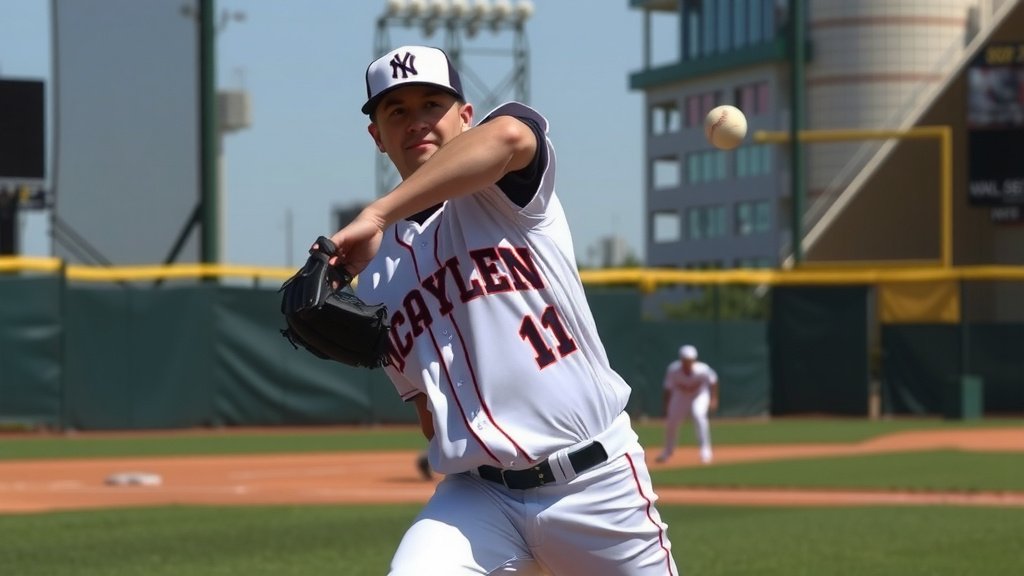
A slightly lower arm slot often helps produce a better sinker. Think of it as coming from a three-quarters or even a bit more sidearm slot. This angle allows the downward spin to take effect more naturally. A straight over-the-top arm slot usually struggles to get that same type of break.
Wrist Action and Pronation
This is where the magic happens. As you release the ball, you want to keep your wrist firm. You’re not trying to “snap” it like a curveball. Instead, think about a controlled pronation. Imagine you’re trying to guide the ball down into the dirt just in front of the plate. A firm wrist prevents the ball from “wobbling” and ensures a clean spin.
The “Pulling Down” Sensation
Many coaches teach this pitch by emphasizing the feeling of “pulling down” on the ball through the release point. This sensation helps create the downward spin. Don’t actually try to pull the ball down into the ground, but rather feel like the spin is initiating that downward trajectory. This feeling is key to achieving that late break.
Maintaining Velocity and Deception
It’s vital to make your sinker look like your fastball out of your hand. If hitters can tell it’s coming just by your arm action or speed, they’ll be ready for the break. Practice throwing it with a similar arm speed to your fastball, even though the pitch itself will be a little slower.
Practice Drills for a Better Sinker
Like any pitch, the sinker requires practice. Repetition is your friend here. Focus on the feel of the grip and the release.
Focus on Spin, Not Speed
Start by throwing sinkers at 70-80% effort. Concentrate on getting that good, clean spin. As you get more comfortable, you can gradually increase the velocity while maintaining the movement. Many experts suggest that the best sinkers have a spin rate that’s slightly lower than a fastball but with a better spin axis (Baseball Analytics Journal).
The “Ghost Runner” Drill
Imagine a runner on first base. You need to get an out with this pitch. This mental cue can help you focus on inducing a ground ball. Visualize the ball sinking and hitting the dirt just in front of the plate. This focused visualization can improve your execution.
Video Analysis
If possible, have someone record you throwing. Watching yourself can reveal subtle flaws in your grip or arm action. You might discover you’re opening up too early or not getting the wrist action you thought you were. It’s a great way to self-correct.
Common Mistakes and How to Fix Them
Almost every pitcher runs into issues when first learning the sinker. Knowing what to look for can save you a lot of frustration.
The Ball “Hangs” or Lacks Movement
This often happens when you grip the ball too tightly or try to throw it too hard. You might also be rolling your wrist instead of keeping it firm. Try loosening your grip slightly and focusing on that controlled pronation. Imagine slicing through the air with the seams.
Inconsistent Breaks
If your sinker breaks sometimes and not others, it’s usually a grip or release issue. Make sure your fingers are consistently on the seams and that your wrist is firm at release. Small changes in your finger pressure can make a big difference.
Throwing it Like a Slider
Some pitchers accidentally throw a sinker with a lot of sweeping action, more like a slider. This usually comes from trying to “muscle” the pitch. Remember, the sinker’s primary goal is downward break, not lateral movement. Focus on that downward spin axis.
When to Use Your Sinker
The sinker is a versatile pitch. It’s especially effective in certain situations.
For Ground Ball Outs
This is its bread and butter. When you need a ground ball, the sinker is your go-to. It’s great for getting double plays or simply ending an at-bat with weak contact.
Against Certain Hitters
Hitters who tend to swing high or struggle with pitches down in the zone can be particularly vulnerable to a good sinker. It can also be effective against power hitters who might try to lift the ball. You’re taking away their power alley.
To Change Eye Level
Mixing in a sinker can keep hitters off balance. If you’ve been throwing a lot of fastballs up, the sinker coming down can disrupt their timing. It’s a great way to add variety to your pitch mix.
Your Sinker Checklist for Success
- Check your grip: Fingers across or along seams?
- Feel the pressure: Firm but not too tight.
- Arm slot: Aim for three-quarters or lower.
- Release: Firm wrist, controlled pronation.
- Spin: Focus on downward spin axis.
- Practice consistently.
Conclusion
You’ve learned the essential mechanics to develop a devastating sinker. Remember, the key lies in a consistent grip, a controlled arm action, and focusing on that downward spin. It’s a pitch that rewards patience and practice, helping you induce ground balls and get hitters out. Don’t get discouraged by initial results; keep refining your technique. Your next step is to get on the mound and put these steps into action. Focus on that feel, make small adjustments, and watch your sinker start to drop!
Frequently Asked Questions
What’s the difference between a sinker and a two-seam fastball?
While both pitches are designed to move, a sinker typically has more pronounced downward break than a standard two-seam fastball. The grip and release mechanics are often slightly adjusted to maximize that sinker’s specific downward trajectory, whereas a two-seam can have more lateral movement.
Can I throw a sinker with full fastball velocity?
Research and found that attempting to throw a sinker at maximum velocity often kills its movement. You’ll get more consistent sink and break by focusing on control and a slightly reduced velocity, making it look like your fastball out of your hand but break differently.
How do I know if my sinker grip is correct?
A good sinker grip will feel secure but not overly tight. You should be able to feel the seams with your index and middle fingers. Experiment with placing your fingers across the seams versus along them to see which provides the best feel and most consistent break for your hand.
What is pronation and how does it help my sinker?
Pronation is the natural inward rotation of your forearm and hand during the throwing motion. For a sinker, you want a controlled pronation with a firm wrist at release. This action helps create the spin that generates the downward break, rather than just letting your arm naturally rotate.
How much practice does it take to throw a good sinker?
Mastering any pitch takes time and consistent effort. You should aim for regular practice sessions, focusing on feel and repetition. Even 15-20 minutes dedicated to sinker drills a few times a week can make a significant difference in developing a reliable pitch.