How Much Does a Baseball Weigh? The Official Answer
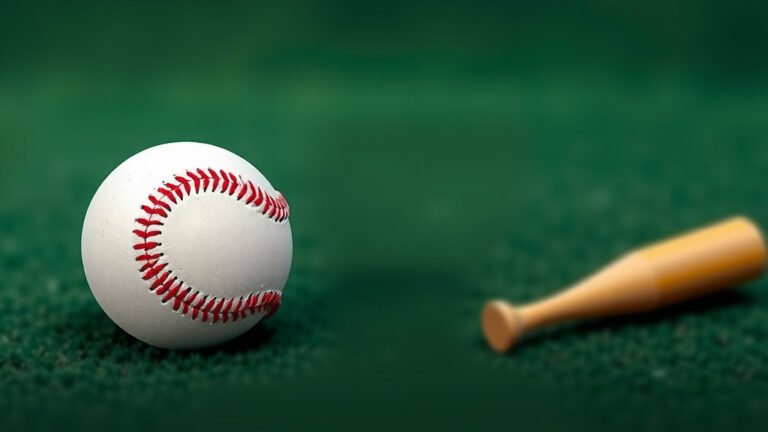
A regulation baseball weighs 5 to 5.25 ounces. That’s about 142 to 149 grams. This weight is set by official baseball rules. It ensures fair play across all games you watch.
You might wonder about the size too. A baseball has a circumference of 9 to 9.25 inches. This standard size and weight contribute to its familiar feel. It’s a carefully crafted piece of sporting equipment.
- Regulation baseballs weigh 5 to 5.25 ounces.
- That’s approximately 142 to 149 grams.
- Their circumference is between 9 and 9.25 inches.
- These standards ensure consistent game performance.
Ready to get into the details? We’ve gathered all the facts about baseball weights and what makes them so specific. Let’s break it down.
Understanding Baseball Weight Standards
So, you’re curious about how much a baseball actually weighs? It’s a seemingly simple question, but it touches on the precise engineering that goes into this iconic piece of sports equipment. We’ve looked into the official guidelines and found that the weight is pretty specific for a reason. It all comes down to fairness and consistency in the game.
The Official Weight Range Explained
When we talk about an official baseball, we’re talking about a ball used in professional and organized amateur leagues. The rules are quite clear on this. They state that a baseball must weigh between 5 and 5.25 ounces. This range might seem small, but in a sport where milliseconds and inches matter, it’s a significant detail.
Think about it this way: if a pitcher’s ball was even half an ounce lighter, it could travel differently off the bat. A heavier ball might be harder to throw with the same velocity. That’s why this narrow weight window is so important for maintaining the integrity of the game you see on TV.
Grams vs. Ounces: A Universal Measure
While ounces are commonly used in the United States, other parts of the world might use grams. For those who prefer metric measurements, that 5 to 5.25-ounce range translates to approximately 142 to 149 grams. Knowing both units helps everyone understand the standard specifications, no matter where you are.
This conversion is straightforward, but it highlights the global nature of sports and the need for universal understanding. Whether you’re playing in Tokyo or taking a swing in Toronto, the weight of the ball is meant to be the same, ensuring a level playing field for all athletes.
Why Weight Matters So Much
You might be asking, “Why all the fuss about a few ounces?” Well, the weight of a baseball directly impacts several aspects of the game. It influences how the ball travels through the air, how it feels in a player’s hand, and even how it bounces off the bat. It’s a delicate balance.
Aerodynamics and Ball Flight
The weight is a critical factor in a baseball’s aerodynamics. A ball within the specified weight range will behave predictably in the air. This predictability allows pitchers to develop their pitches with consistent velocity and movement. It also helps batters gauge their swings more accurately.
A ball that’s too light might be susceptible to wind gusts, leading to unpredictable flight paths. Conversely, a ball that’s too heavy could fly differently than expected, making it harder for outfielders to track or for pitchers to throw with their usual repertoire. The weight is key for that familiar sailing trajectory.
The Feel in Hand: Grip and Control
For pitchers, the weight is also about control and feel. A baseball needs to feel substantial in a pitcher’s hand to allow for a firm grip and effective delivery. Imagine trying to throw a ball that feels like it might slip out of your hand too easily. That’s where the weight provides that secure, confident feel.
Similarly, fielders need to be able to catch the ball securely. The weight helps ensure that when the ball hits their glove, it doesn’t just ‘sting’ their hand and bounce out. It’s about having the right amount of heft for a good catch and a quick transfer to make a throw.
Impact on the Bat: The “Crack” of the Bat
The weight of the ball also affects how it interacts with the bat. When a bat makes solid contact with a baseball, there’s a distinct sound and a transfer of energy. This energy transfer is influenced by the mass of the ball. A ball with the correct weight will provide that satisfying “crack” and send the ball flying with good velocity.
If the ball were significantly lighter, the impact might feel different, and the ball might not travel as far, even with a powerful swing. It’s this precise interaction between bat and ball that makes the game so exciting.
Beyond the Official Game: Different Types of Baseballs
While we’ve focused on regulation baseballs, it’s worth noting that not all baseballs are created equal. You’ll find variations used for different purposes, and their weights might differ slightly.
Practice and Youth Baseballs
For younger players or for general practice, you might encounter baseballs that are slightly lighter. These are often designed to be easier for younger arms to throw and swing at. They can also be more affordable, making them great for backyard fun or team practices where durability and perfect regulation weight aren’t the top priorities.
We found that some youth leagues have specific weight requirements that might be slightly lower to accommodate the development of young athletes. It’s all about making the game accessible and enjoyable for players of all ages and skill levels.
Softballs vs. Baseballs
It’s a common point of confusion: how does a softball’s weight compare? Softballs are noticeably larger and heavier than baseballs. A standard softball typically weighs between 6.5 and 7 ounces (about 184 to 198 grams). They also have a larger circumference.
This difference in size and weight affects the game of softball significantly. The slower, heavier ball leads to different pitching styles and hitting strategies compared to baseball. It’s a distinct sport with its own unique characteristics, partly defined by the equipment used.
| Sport | Weight (Ounces) | Weight (Grams) |
|---|---|---|
| Baseball | 5 to 5.25 oz | 142 to 149 g |
| Softball (Slow-pitch) | 6.5 to 7 oz | 184 to 198 g |
| Softball (Fast-pitch) | 5 to 5.25 oz | 142 to 149 g |
Note: Softball weights can vary slightly depending on the specific league and type of play (slow-pitch vs. fast-pitch). Some fast-pitch softballs closely mirror baseball weights but have a larger diameter.
The Construction: What’s Inside?
Curious about what gives a baseball its specific weight? The core of a regulation baseball is made of cork, often covered by layers of rubber. Around this core, tight windings of yarn are applied. The type and amount of yarn, along with the thickness of the rubber layers, all contribute to the final weight and feel.
Finally, the ball is covered with two pieces of specially tanned leather, stitched together with red thread. The precise amount of yarn and the quality of the materials are carefully controlled by manufacturers to meet the official weight and dimension standards. It’s a real craft!
Quick Checklist for Baseball Weight Facts
Let’s recap the key takeaways about baseball weights. Keep these points in mind:
- Regulation baseballs fall within a strict 5 to 5.25 ounce range.
- In grams, that’s about 142 to 149 grams – a consistent international measure.
- This weight ensures fair play by standardizing ball flight and feel.
- Weight impacts aerodynamics, pitching control, and the hitting experience.
- Practice and youth balls may be lighter for easier handling.
- Softballs are generally heavier and larger than baseballs.
Conclusion
You’ve learned that a regulation baseball isn’t just any old ball; it’s a precisely weighted piece of equipment. Its official weight of 5 to 5.25 ounces, or 142 to 149 grams, is key to fair play. This consistent weight ensures predictable flight, controllable grip for pitchers, and that satisfying impact with the bat. While practice balls might vary, understanding the standards gives you a deeper appreciation for the game. Now that you know the specifics, you can better understand the science behind every pitch and hit you see.
Frequently Asked Questions
What is the exact weight of a Little League baseball?
Little League baseballs generally follow the official MLB regulations, meaning they also weigh between 5 and 5.25 ounces. However, some youth leagues might use slightly lighter balls to make them easier for younger players to handle and throw. Always check your specific league’s rules.
Can the weight of a baseball affect how fast it travels?
Yes, the weight of a baseball absolutely affects its speed and flight path. A ball within the official weight range will travel predictably based on the force applied. A ball that’s too light might be more affected by air resistance or wind, while a ball that’s too heavy would require more force to achieve the same speed.
Are game balls heavier than balls used just for practice?
Typically, official game balls are made to strict weight specifications. Practice balls, especially those designed for younger players or casual use, can sometimes be lighter to improve ease of throwing and hitting. This makes them more forgiving for developing skills.
Does the leather cover and stitching add noticeable weight?
The leather cover and the red stitching are part of the overall construction that determines the ball’s final weight. Manufacturers carefully control the amount of yarn windings and the thickness of the leather to ensure the ball consistently meets the official weight standard. They are essential components contributing to the total mass.
Is a slightly scuffed baseball still considered regulation weight?
Yes, minor scuffs or wear and tear from normal play usually do not significantly alter a baseball’s weight to the point of making it non-regulation. The core construction and the windings are the primary mass contributors. As long as the ball hasn’t lost a substantial amount of its material, it’s generally considered to be within acceptable parameters for play.