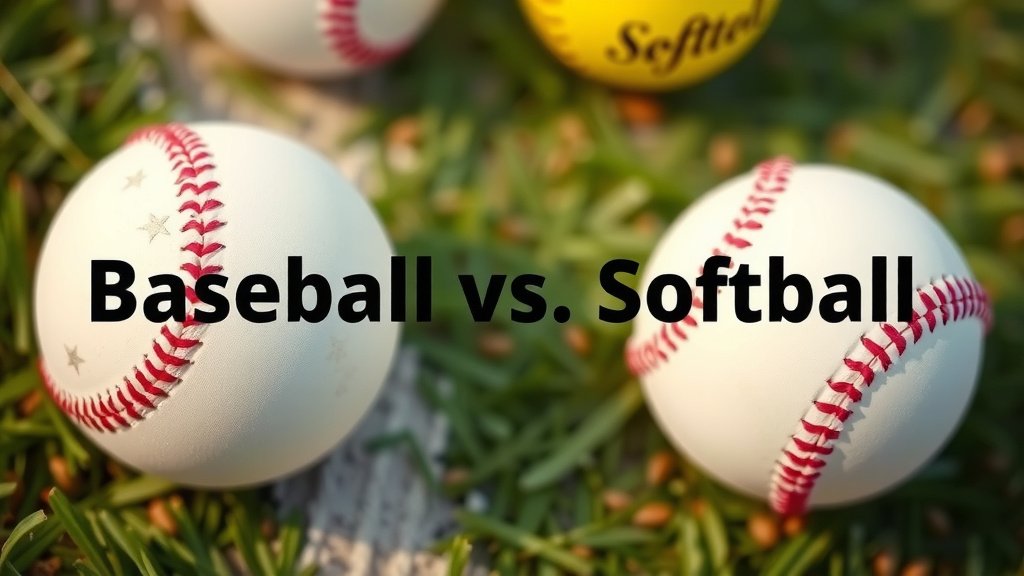
Baseball vs Softball: Key Differences Explained
Baseball and softball differences mostly boil down to the ball size, the field dimensions, and the pitching style. While both are beloved bat-and-ball games, these key distinctions create unique gameplay experiences. We’ve looked into the common questions people have about these sports and found that understanding these differences is essential for any fan or player.
You might be wondering about the nuances between these sports. Softball typically uses a larger ball and is played on a smaller field than baseball. Pitching also differs significantly; softball pitchers use an underhand motion, while baseball pitchers throw overhand. These differences shape everything from the speed of the game to the strategies employed.
- Softball uses a larger ball and smaller field.
- Pitching styles are fundamentally different (underhand vs. overhand).
- Games have different numbers of innings.
- Bat sizes and weights can vary.
- The overall pace and strategy of play differ.
Ready to dive into the specifics? Below, we break down each of these baseball vs. softball differences so you can see exactly what sets them apart.
Key Differences Between Baseball and Softball
It’s easy to see why folks mix up baseball and softball. They look similar, share a love for the crack of the bat, and have passionate fan bases. But dig a little deeper, and you’ll find a world of subtle, and not-so-subtle, differences. Let’s break down what really sets these two great sports apart.
The Ball: Bigger is Better in Softball
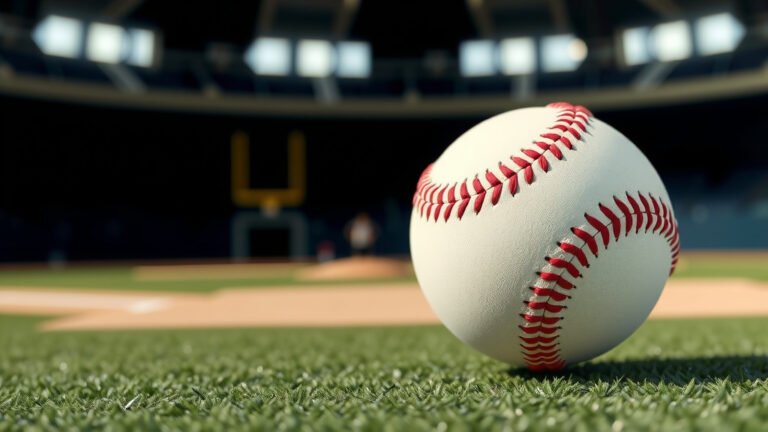
One of the most immediate differences you’ll notice is the ball itself. Softball, as its name suggests, uses a larger ball than baseball. This isn’t just a minor detail; it affects how the ball travels through the air and how players interact with it.
Size Matters: What’s in Your Glove?
A standard baseball is about 9 to 9.25 inches in circumference. Now, a softball? It’s a good chunk bigger, typically measuring 11 to 12 inches around. This difference might seem small, but it makes a noticeable impact on the game. The larger softball is easier for some players to catch and hold onto. You might also find that the stitches on a softball are flatter, which can affect the grip for pitchers.
Color Conundrum: White vs. Yellow
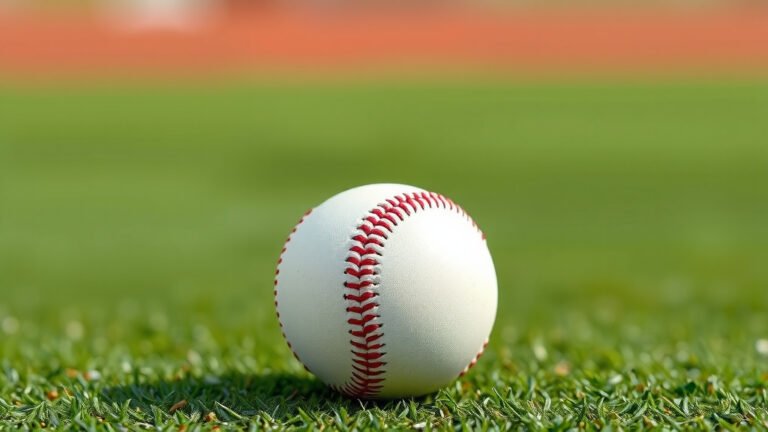
Another visual cue is the ball’s color. Baseball uses a classic white ball with red stitching. Softball, on the other hand, often features a optic yellow ball. This brighter color was introduced to make the ball easier to see, especially for spectators and players in various lighting conditions. Think of it like a high-visibility jacket for the ball!
Field Dimensions: A Smaller Sandbox for Softball
The playing field is another major point of divergence. Softball fields are generally smaller than baseball fields. This impacts everything from how far players need to throw to how quickly they can round the bases.
The Baselines: Closer Connections
In baseball, the distance between bases is 90 feet. For softball, especially fastpitch, those bases are much closer together, usually 60 feet apart. This tighter layout means players can cover more ground quickly. It also means the game can feel a bit more action-packed with shorter throws and faster transitions.
The Outfield Fence: A Shorter Haul
The distance to the outfield fence also differs. Baseball parks can have fences stretching 300-400 feet or more from home plate. Softball fences are typically much closer, often around 200-220 feet away. This shorter distance means more balls can leave the park for home runs, adding excitement for fans.
| Feature | Baseball | Softball |
|---|---|---|
| Base Path Distance | 90 feet | 60 feet |
| Pitcher’s Mound to Home Plate | 60 feet, 6 inches | 43 feet (fastpitch), 40 feet (slowpitch) |
| Outfield Fence (Approximate) | 300-400+ feet | 200-220 feet |
Pitching Styles: The Underhand vs. Overhand Debate
This is perhaps the most distinctive difference between baseball and softball. The way the ball gets to the batter is fundamentally different, creating unique challenges and skills for pitchers.
Softball’s Underhand Motion
Softball pitchers use an underhand pitching motion. They typically stand on a pitcher’s plate, not a raised mound. The pitch is delivered with a windmill-like arm swing. This style requires immense flexibility and control. Many experts note that the underhand motion allows for significant “spin” on the ball, creating movement that can be tricky to hit (National Strength and Conditioning Association).
Baseball’s Overhand Power
Baseball pitchers throw overhand, much like you’d imagine someone throwing a dart. They stand on a raised mound, giving them an advantage in generating velocity and downward angle on their pitches. The overhand throw allows for a greater range of motion and often results in higher pitch speeds.
Game Structure: Innings and Outs
The length of a game and how it’s structured also varies. While both games involve innings and outs, the numbers don’t quite match up.
Inning Count: A Tale of Two Games
A regulation baseball game consists of nine innings. Each inning has two halves: one where the visiting team bats and one where the home team bats. Softball games, on the other hand, are typically played with seven innings. This shorter format can make games quicker, which is often a plus for families or those with busy schedules.
The Third Out: A Slight Twist
The concept of getting three outs to end a team’s turn at bat is the same. However, there’s a specific rule in softball that can sometimes speed things up. In some leagues, if the defensive team has a significant lead late in the game (e.g., 10 runs or more), they can choose to end the game after the visiting team completes its half of an inning, even if they haven’t recorded three outs. This is often called a “mercy rule.”
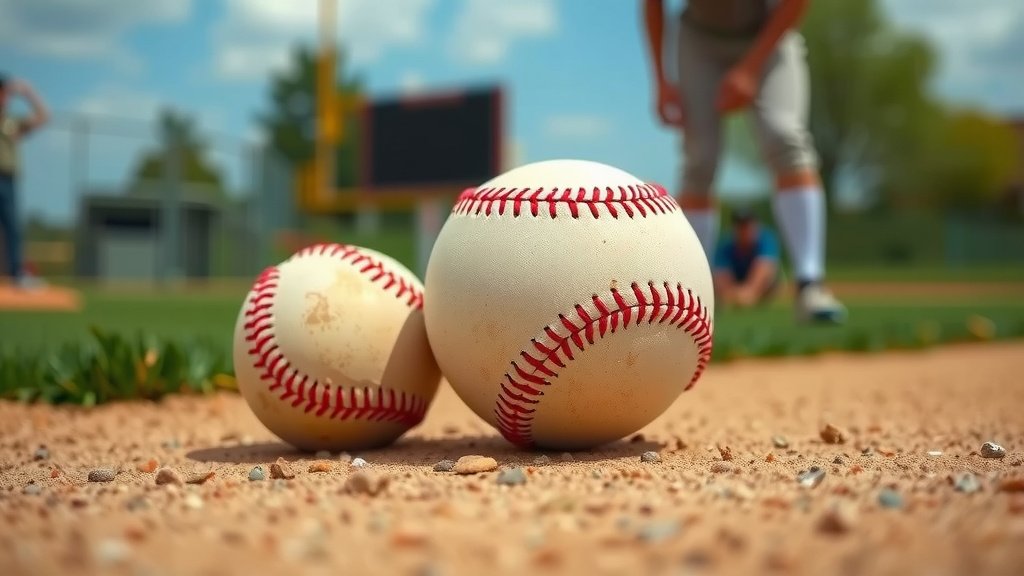
Bat Specifications: Power and Performance
While both sports involve hitting a ball with a bat, there are differences in the equipment itself, particularly the bats.
Material and Size Limits
Baseball bats used to be exclusively wood, but now composite and aluminum bats are common in amateur leagues. They have strict regulations on diameter and length. Softball bats also come in various materials, but their size and weight restrictions can differ. For instance, many fastpitch softball bats are designed for lighter weight and quicker swing speeds due to the closer bases and faster pitching.
The Pace and Strategy: A Different Kind of Chess Match
Because of all these differences, the overall feel and strategy of baseball and softball games are distinct. It’s like comparing a marathon to a sprint; both are running, but they demand different approaches.
Quickness vs. Power Plays
Softball’s smaller field and faster pitching often lead to a game that feels more immediate. There’s less ground for outfielders to cover, and the ball travels quicker from bat to glove. This can mean more action in the infield. Baseball, with its larger field and overhand pitching, can sometimes feel more deliberate, with a greater emphasis on power hitting and strategic pitching duels over longer distances.
Base Running Strategies
The closer bases in softball mean that stolen bases can happen more frequently and quickly. Runners have less distance to cover, so a good jump and a strong slide can make a big difference. In baseball, the longer distances require more strategic planning for stolen bases, often involving a pitcher’s pickoff move and the catcher’s arm strength.
Quick Checklist: Key Takeaways
Want a super-quick recap? Here’s what to remember when comparing baseball and softball:
- Ball Size: Softball balls are larger.
- Field Size: Softball fields are smaller.
- Pitching: Softball is underhand; baseball is overhand.
- Innings: Softball typically has 7 innings; baseball has 9.
- Pace: Softball often feels faster-paced due to smaller dimensions.
- Color: Softball balls are often optic yellow; baseballs are white.
Conclusion
You now have a clear picture of what makes baseball and softball distinct sports. From the larger ball and closer bases in softball to the overhand power of baseball pitching, each game offers its own unique excitement. Understanding these differences, like the classic white ball versus optic yellow, or the seven innings versus nine, helps you appreciate the strategies and skills involved. So next time you watch a game, you’ll know exactly why these two beloved sports feel so different. Your next step? Catch a local game of either baseball or softball and see these distinctions in action for yourself!
Frequently Asked Questions
Is softball easier to play than baseball?
Many players find softball slightly easier to start with. The larger ball is often easier to catch and the closer bases mean less running. However, mastering the underhand pitching motion with its spin and deception takes considerable skill, just like baseball’s overhand delivery.
Why is the softball ball yellow?
The optic yellow color was introduced to improve visibility. This brighter hue makes the ball easier for players to track against the sky and field, especially during day games or under stadium lights. It helps both fielders and batters keep their eyes on the ball.
Can you use a baseball bat for softball?
Generally, no. While both use bats, softball bats have different size and weight regulations to accommodate the larger ball and gameplay style. Using a baseball bat in a softball game would likely be against the rules and could affect performance.
Which sport is faster, baseball or softball?
Softball often feels faster-paced due to its smaller field dimensions and closer bases, leading to quicker plays and more action. While baseball pitching can be faster in terms of velocity, the larger field means more time between pitches and plays.
Are the gloves different for baseball and softball?
Yes, gloves can differ. Baseball gloves are often designed for the smaller ball and require deeper pockets for secure catches. Softball gloves are typically larger to accommodate the bigger softball, and their pocket depth can vary based on the player’s position and preference.